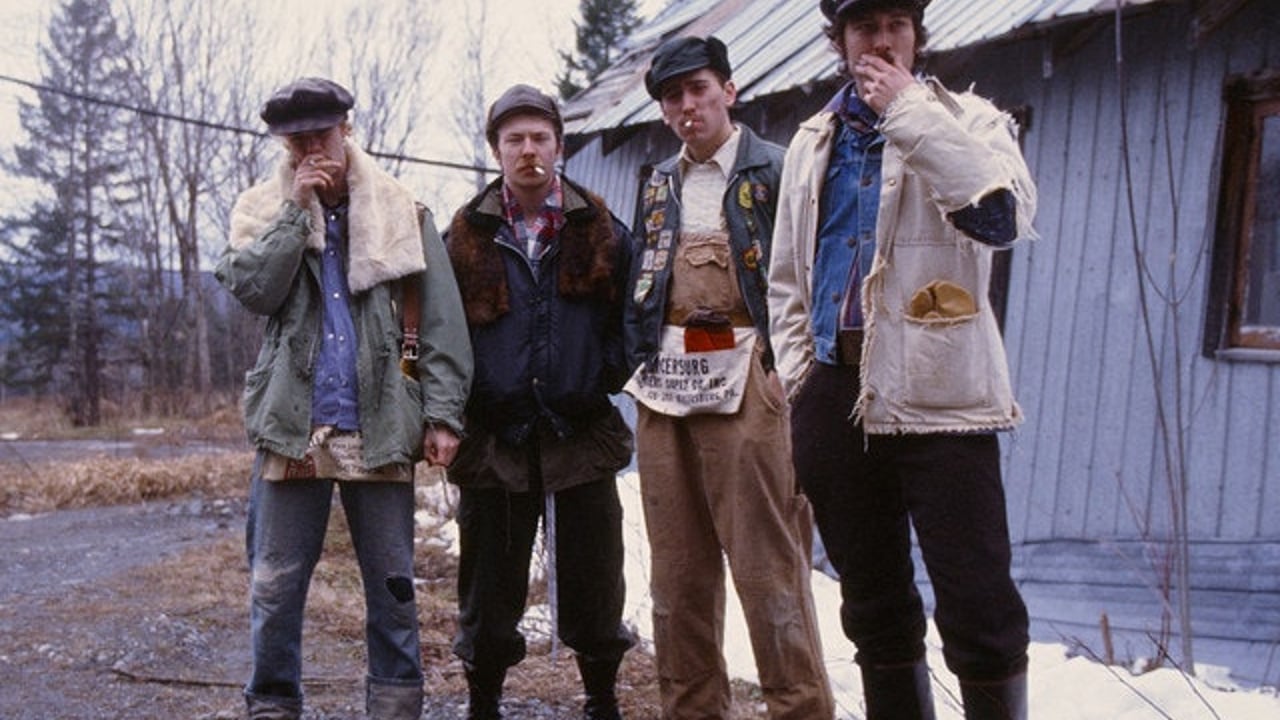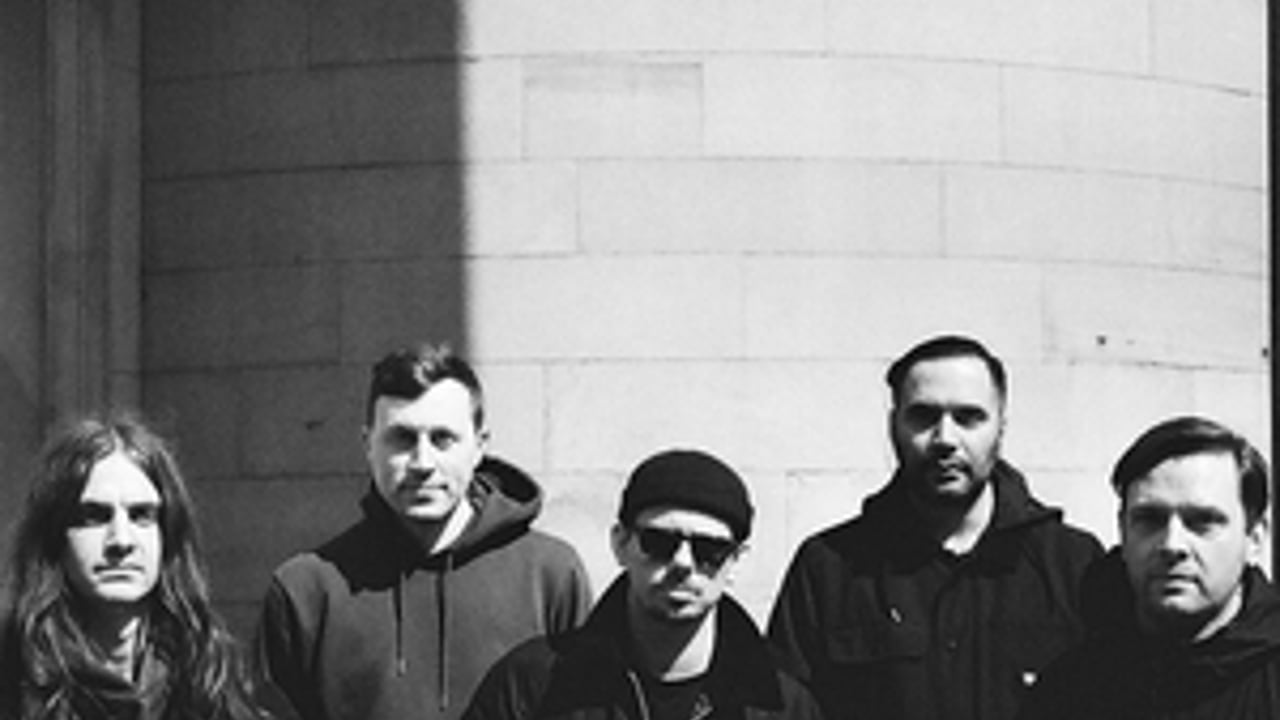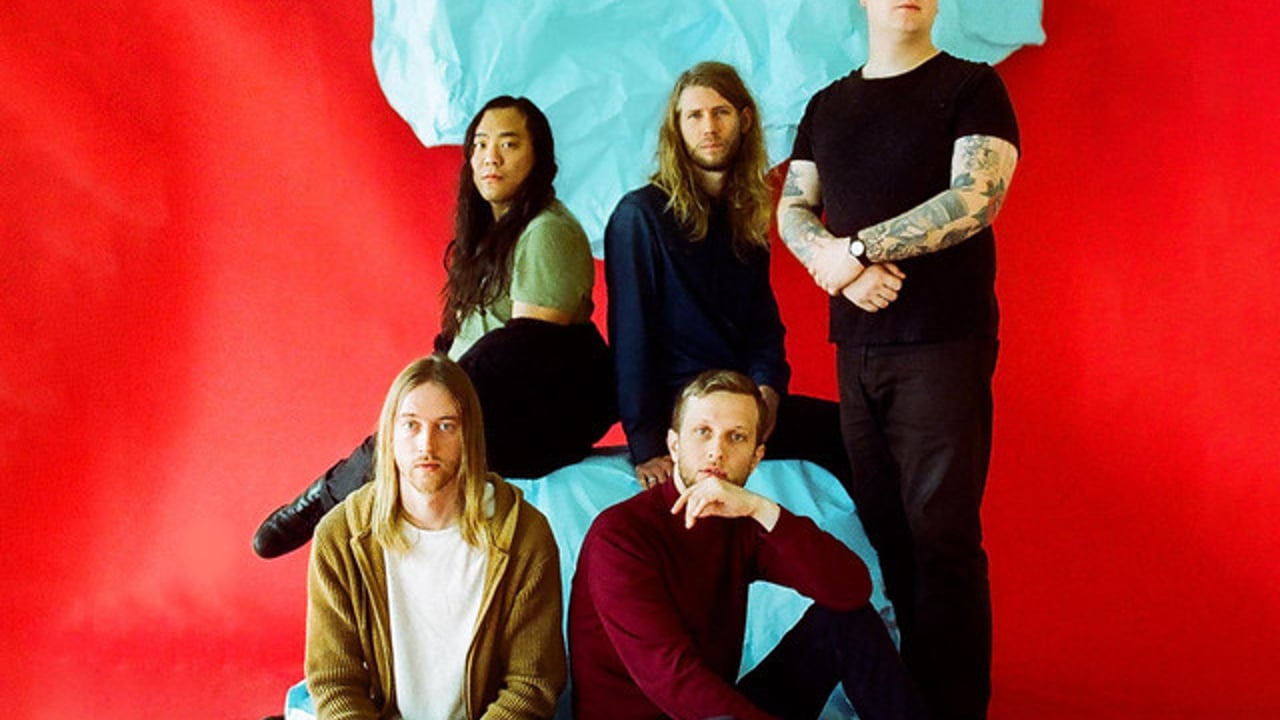
La Dispute
Bowlers Exhibition Centre, Longbridge Rd, M17 1SN Manchester Kort
sun. 28.06.2026 11:00
Outbreak Fest 2026
Flytjendur
-
La Dispute
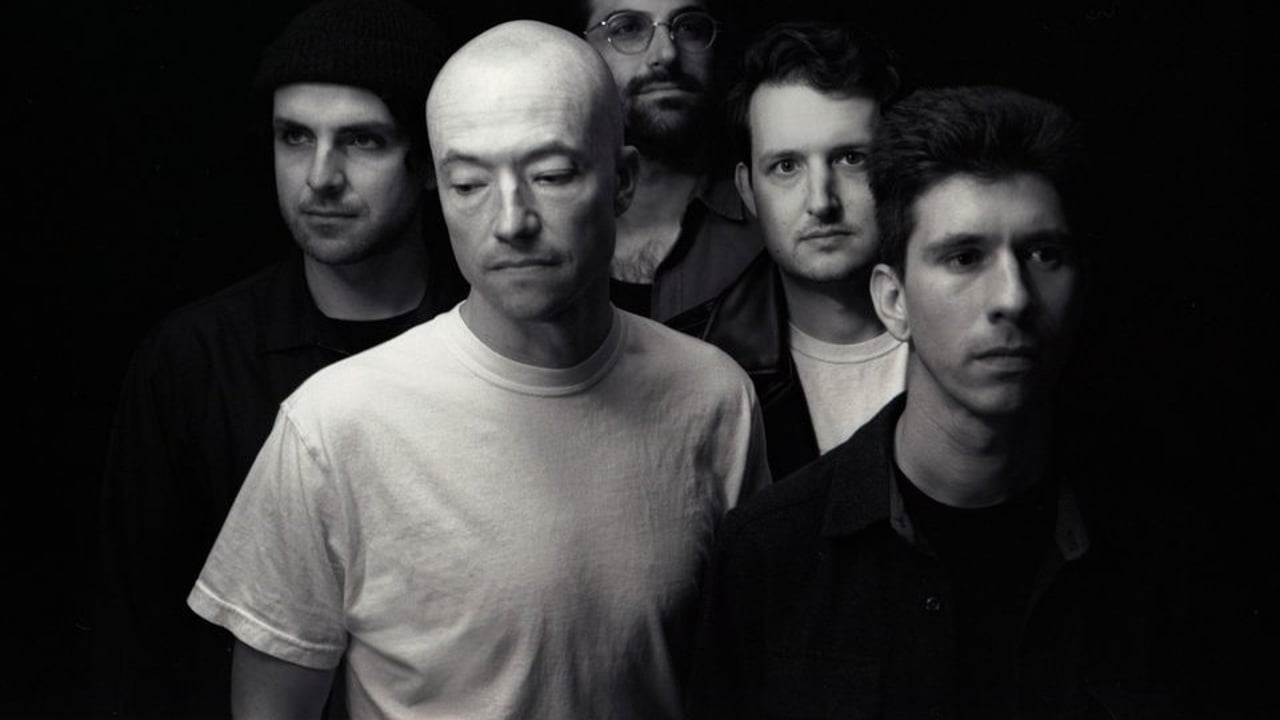
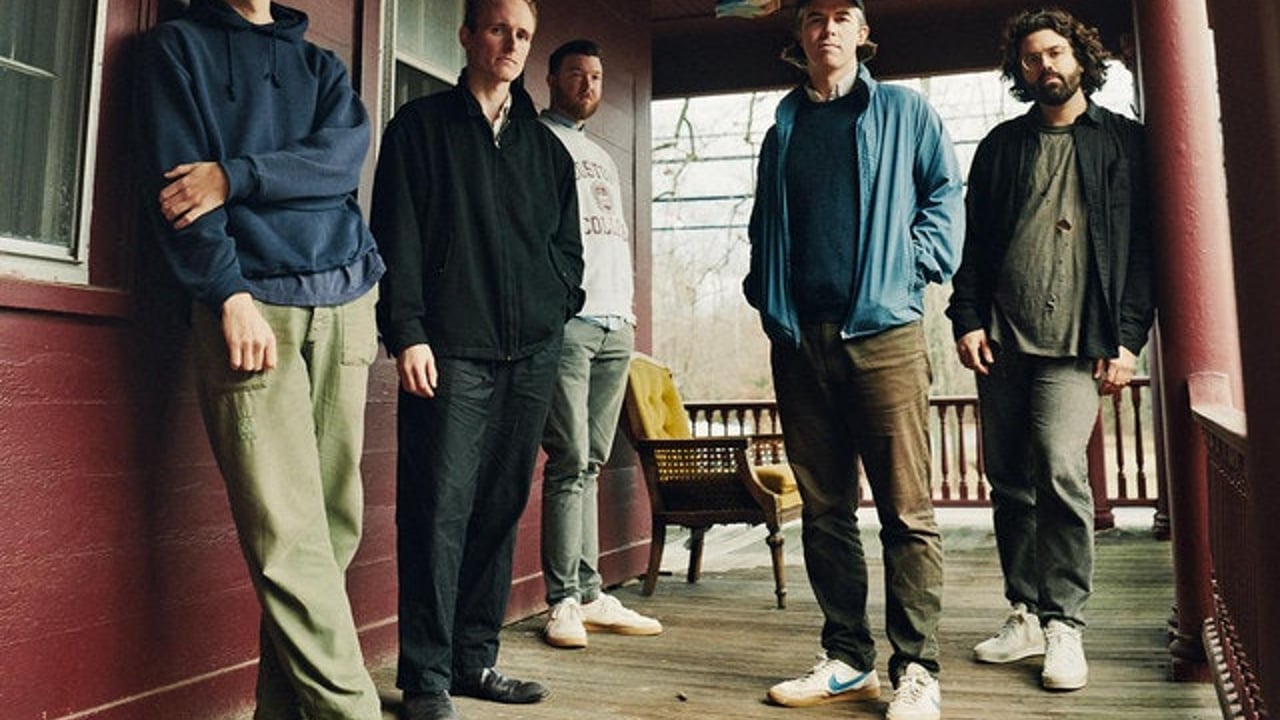
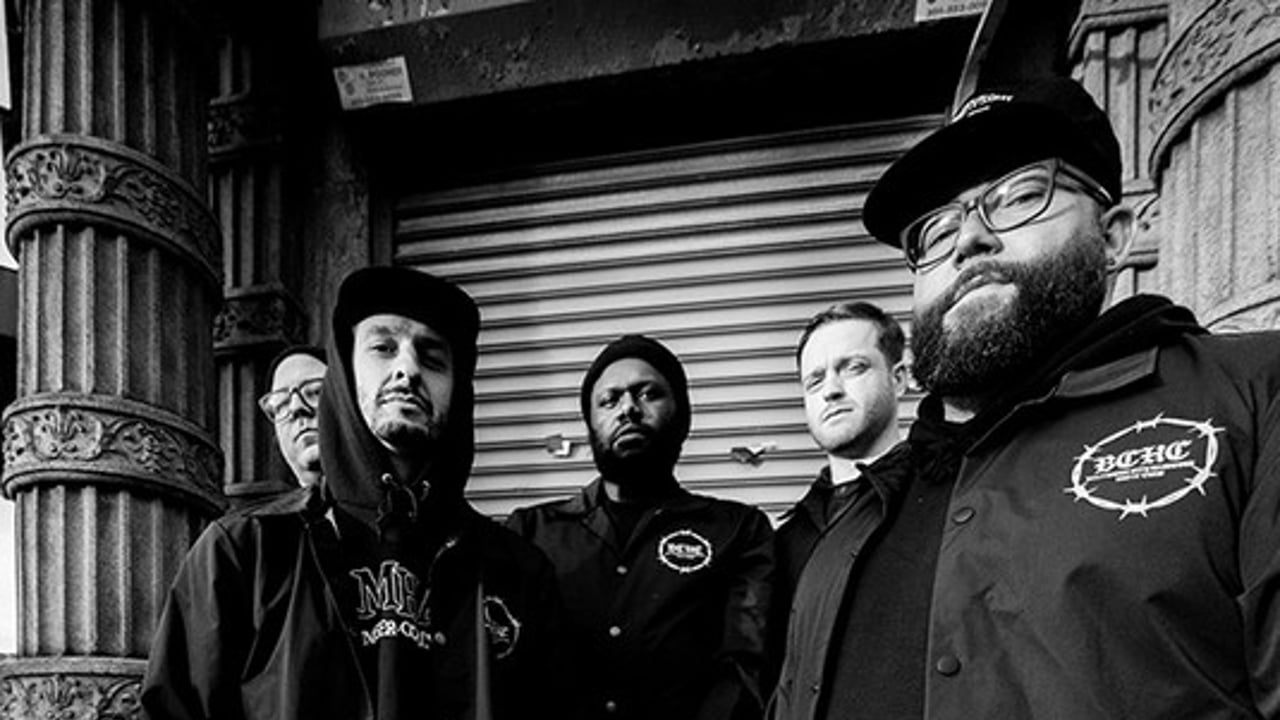
It’s been six years since La Dispute released their last album, Panorama. Since then, the Michigan post-hardcore band—made up of Jordan Dreyer on vocals, Brad Vander Lugt on drums, Chad Morgan-Sterenberg and Corey Stroffolino on guitar, and Adam Vass on bass—dealt with the stagnance of the pandemic, celebrated the ten-year anniversaries of Wildlife and Rooms Of The House, and began working on No One Was Driving The Car. The fifth studio LP is the first entirely produced by the group, and it came together in Grand Rapids and Detroit, the United Kingdom, Australia, and the Philippines: “I think the change in environment was really helpful to breathing new life into the process each time we came back to it,” Dreyer says.
Partly inspired by the 2017 psychological thriller First Reformed, No One Was Driving The Car reckons with malaise in the shadow of the looming apocalypse, which has noticeably been worsened by the advancement of tech. The title comes from a quote from a police officer Dreyer read in a news article about a lethal self-driving Tesla crash, an absurd event which raises questions about the amount of control we have in our own lives. In fourteen dynamic tracks, the band grapples with the existential topic and the human need to find comfort and a sense of security in an existence where we’re often thrust into chaos without permission. Dreyer yells with a more primal sense and sings in a more refined way, and the guitars have a sharper edge than ever before. “As much as I don’t enjoy the creative process because it’s taxing and often not fun, I also think it’s the most fun that I ever have,” Dreyer contemplates. “It’s the revelations you make, the breakthroughs. It’s banging your head against a wall and suddenly something clicks in a way that feels almost divine, like it came from somewhere else.”
-
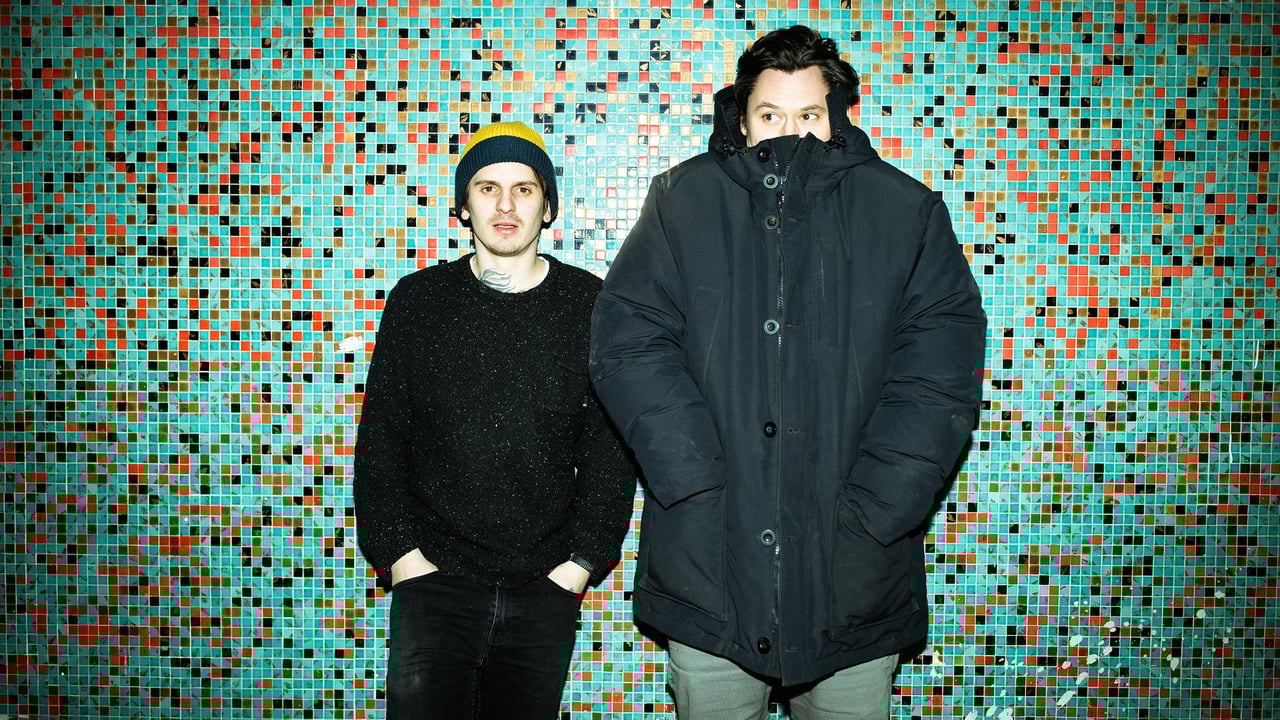 The Front Bottoms
http://thefrontbottoms.com
-
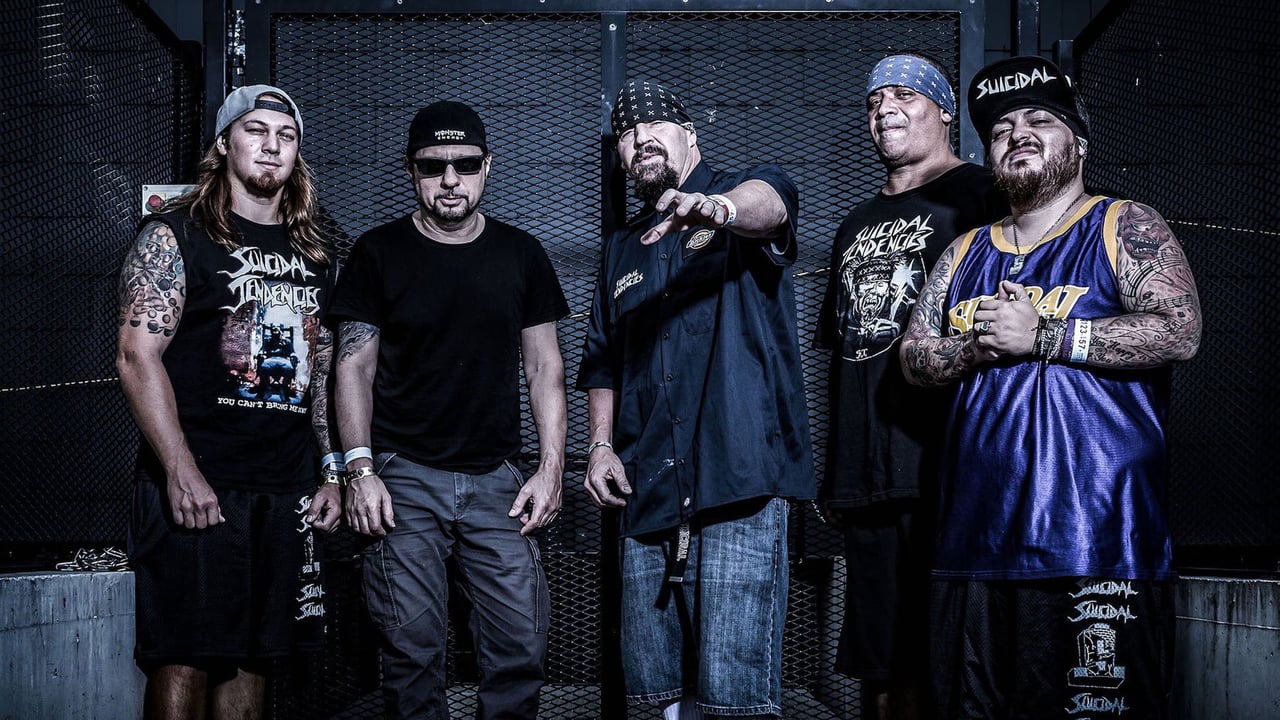 Suicidal Tendencies
www.suicidaltendencies.com
-
Hatebreed
Straight Edge Hardcore from Los Angeles California
-
Tigers Jaw
Hailing from Scranton, Pennsylvania, US, Tigers Jaw are an ever-evolving indie rock act, moving between pop-punk to emo to create their emotive, jangling music.
-
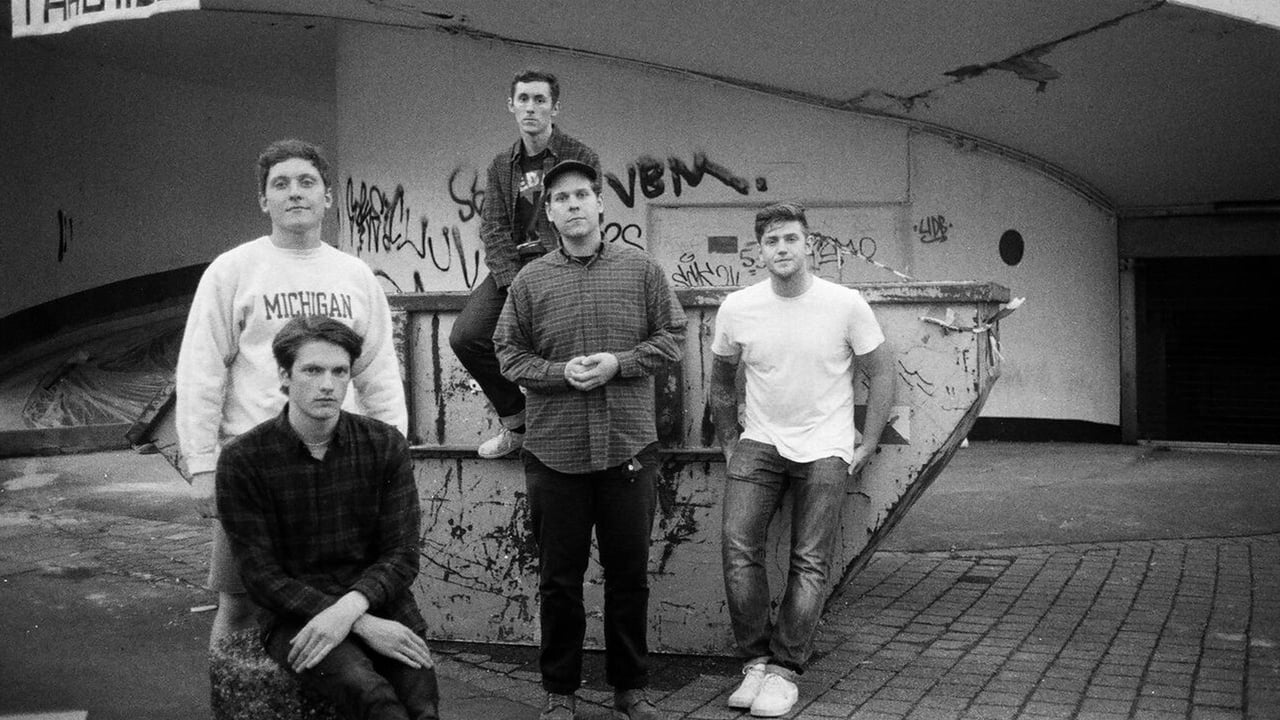 Basement
Just trying to be honest.
-
Touche Amore
TOUCHÉ AMORÉ
Spiral in a Straight Line - Due Oct 11, 2024
Jeremy Bolm (vocals) - Nick Steinhardt (guitar) - Clayton Stevens (guitar) – Tyler Kirby (bass) - Elliot Babin (drums)
Touché Amoré has been burrowing through angst, alienation, cancer, and death throughout four adored studio albums. After over a decade of working through darkness, the band’s gorgeously gruff fifth album, Lament, finds the light at the end of the tunnel. Through 11 songs, Touché Amoré looks back at its past and uses hard-won optimism to point its fans toward light, and love.
Last year, the Los Angeles quintet re-recorded its 2009 debut, ...To the Beat of a Dead Horse, to celebrate the decade gone by. It was a straightforward reflection of a time when the band’s songs rarely surpassed the two-minute mark and hooks were accidental if existent. A striking contrast to the band in 2020, as their evolution with every step in their oeuvre has lead to this moment. Lament is their masterstroke. Its longer, structured songs soar with a ferocious but delicate musicality and powerful, gut-wrenching storytelling that smashes previous heights. Yet as much as the band has grown and matured via everything they’ve endured, it’s perhaps equally impressive how they’ve managed to stay true to their core…
“I’ve always stood by the idea that if you’re gonna raise your voice and you’re gonna yell,” Bolm says, “and somebody is kind enough to listen to you do that—then I would not half-ass anything. I would be as honest as I possible"
The band’s critically acclaimed 2016 release, Stage Four, found Bolm mourning and paying tribute to his late mother, which in turn, challenged his emotional bandwidth to converse with an upswell of fans responding with their own stories of grief. Along with the duty of being empathetic, the band had to deal with their own lives. Personal relationships bloom, members’ families change either by marriage or fractured bonds. A new president takes office, and personal turmoil turns political.
“I sort of look at this record as a companion piece to Stage Four, in the sense that I’m not writing songs about [my mom] anymore,” Bolm says. “But the songs on this record are about what my life’s been like since doing that.”
Lament captures all of this. A widescreen view at the constant fragility we face as people, as well as, life-after-jarring-trauma that we all must endure at some time or another.
After 10 years together, the band have developed a family-like bond that has enabled them to withstand it all. “When you play music with people for this long, you can kind of anticipate their moves,” Steinhardt says. “If I’m writing a song or thinking of a drumbeat, I’m subconsciously thinking of something that [drummer] Elliot Babin would play.”
Lament marks a number of milestones for the post-hardcore rockers. For one, Nick Steinhardt gets to try out his newly learned pedal steel skills on album centerpiece “Limelight.” Four years is also the longest wait between studio albums, but the bandmates found they were still in-sync.
After working with Brad Wood for its past two efforts, Touché Amoré sought to break out of the proverbial comfort zone and get the famously demanding Ross Robinson (Slipknot, Korn, At the Drive-In). Both Robinson and Touché Amoré are known for their trademark intensity, which caused some hesitancy for Bolm. Ultimately, Robinson agreed to a rare one-song “test recording” last summer, which resulted in the song “Deflector,” released last fall. While Bolm remembers how Wood felt almost like a member of the band, he didn’t immediately find a mensch in Robinson. Getting out of the comfort zone clashed with straight-up being uncomfortable. Robinson made Bolm read out all of his confessional lyrics to his bandmates to make sure they understood their emotional content. He also invaded personal space by standing directly next to Bolm in the vocal booth as he sang. Those, along with his other abrasive, hands-on methods, took some getting used to.
“I believe there was an unspoken learning curve between Ross’s methods and the understanding that I’ve poured myself into the words and mean every one of them,” Bolm says.
In the end, “Deflector” proved the producer/band combo was undoubtedly the right fit; making Bolm read those lyrics turned out to be what helped make their emotions palpable in the final recording. With its ruminations on the draining human connection (“I'll test the water/I won't dive right in/That's too personal/I'm too delicate”), Lament’s first helping is a sharp intro to the album’s themes.
The emotional frankness on which Touché Amoré (“Touch Love”) stakes its bilingual name makes itself apparent across the entirety of Lament. Bolm has grown from his roots as hardcore kid traveling the world in a van to finding comfort in his longtime partner. As described in the album’s blazing opener “Come Heroine,” where Bolm publicly declares love and emits this confession: “From peaks of blue/Come heroine /With open arms you brought down the walls I defend.”
It’s on “I’ll Be Your Host,” where Bolm, amid the jangling guitar, grapples with the aforementioned mounting uneasiness that comes with having to connect to fans’ pain. With its acerbic slogans (“Pin a black ribbon on/We’re the mourning campaign/I didn’t ask to lead this party/I explain”), Touché Amoré cuts right through the complexities of being a vehicle for grief as its driver tries to maintain his sanity. In the vein of Bright Eyes’ poetic blend of political and personal insight, “Reminders” captures Touché Amoré trying to find some respite amid the constant stream of President Trump’s failings.
Perhaps Lament’s biggest point is that Touché Amoré are still human. On “Limelight,” the solemn guitar plucks work almost as a solace for Bolm as he works through the deaths of his beloved dogs over the past two years and an understandable outward cynicism. The song also finds him praising his partner for supporting him through it all, and the overwhelming feeling becomes one of hope. “So let’s embrace the twilight/While burning out the limelight,” he shouts against the climaxing chords. He may still be broken but he’s trying, as we all are.
The album’s closer ties it all together, as “A Forecast” is fittingly a precise update on Bolm’s life. He speaks to the listener as an old friend, perhaps because they are. Where he professes not feeling supported when he needed it most by those he figured would care the most. Mentions his new found love for Jazz, an obsession for the Coen Brothers… Before the song ends, he admits “I’m not sure what I’m after/but it couldn’t go left unsaid.” The album ends with the confession “I’m still out in the rain/I could use a little shelter/now and then.”
Ultimately, the message from Lament? Bolm sums it up best: “That time doesn’t heal. That love can nurture. That it’s okay to not be okay.”
-
Converge
Converge is a metal group at their core; however they are far too eclectic to be pigeonholed in any one genre. They mix the disparity and extreme style associated with punk into their music and also build off complex chord and rhythmic patterns heard throughout jazz.
-
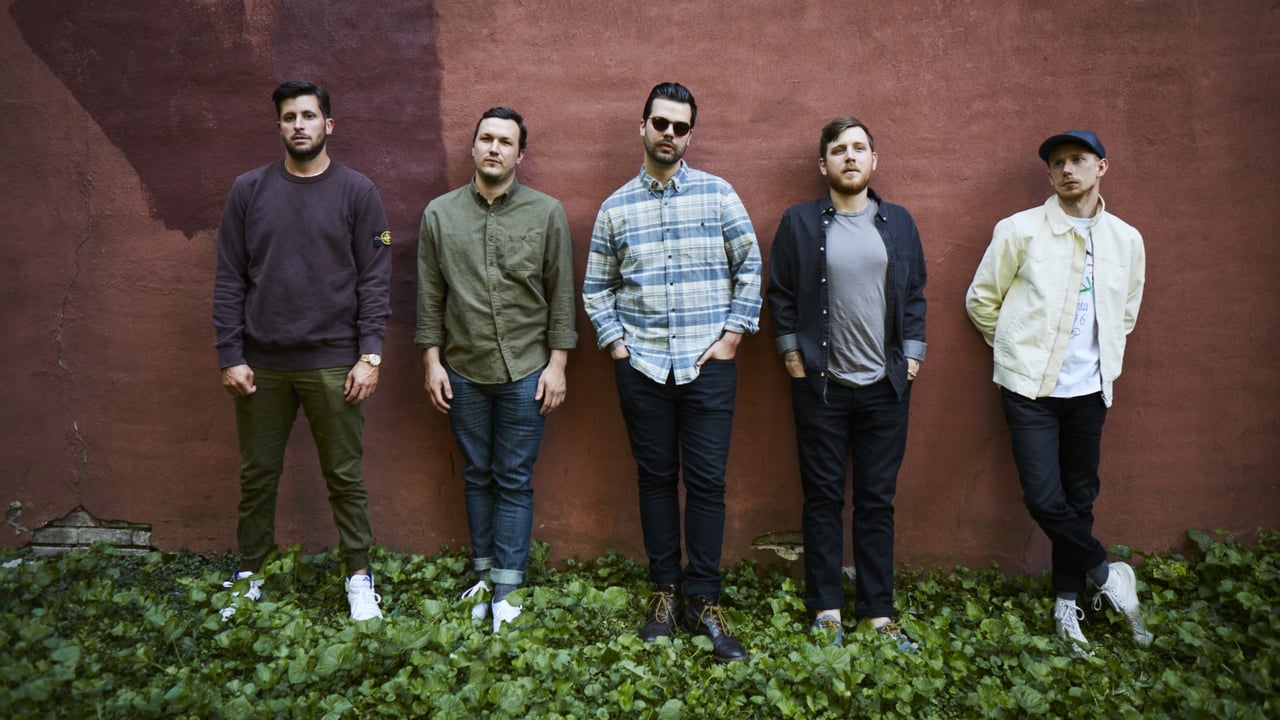 Balance & ComposureNew Album 'Light We Made' Available Now.
Download on iTunes: https://fanlink.to/LWMiTunes
Store/Vinyl: https://fanlink.to/LWMStore
Spotify: http://smarturl.it/LWMSpotify
Amazon: http://smarturl.it/LWMAmazon
Google Play: https://fanlink.to/LWMGoogle -
PupIt seems significant that there were bats in the mansion’s attic, although how significant it seems will have something to do with how you feel and what you know about PUP. None of it is a metaphor, and also all of it is.
The mansion, for its part, is very real—it is a sprawling residence-slash-studio in Connecticut’s most dispiriting mid-sized city where the producer Peter Katis has helped acts like The National and Interpol and Frightened Rabbit and Kurt Vile make records. There are gold records on the walls and warrens of strange new rooms that the band members discovered seemingly daily; the roof leaks when it rains, and the bats reclaim the attic after dark. PUP singer Stefan Babcock recorded all his vocals in the living room, at night. “The other guys were just trying to live their lives,” he said, “and Nestor and I would be down there screaming into microphones while they were watching TV in the next room.” Babcock remembered Katis telling him that the bats “go away” during the daytime hours. “I was like, ‘no, they’re sleeping,’” Babcock said. “They don’t go anywhere, there’s nowhere for them to go.’”
The band spent five weeks there in the summer of 2021, recording and mixing the typically furious and anthemic songs that would become their fourth album, THE UNRAVELING OF PUPTHEBAND. The band—Babcock, bassist Nestor Chumak, drummer Zack Mykula, and guitarist Steve Sladkowski—more or less never left. “There were some days that were really great, like magical, everything worked and then we’d go to the kitchen and make a great meal,” Sladkowski said, “and then there were days when you’re like ‘I can’t remember the last time I’ve been outside.’” Circumstances—a global pandemic, still happening, not much fun to talk about and won’t be addressed further here—made cultivating a healthy, communal vibe more difficult, but the band powered through by having friends like Sarah from Illuminati Hotties, Kathryn from NOBRO, Mel from Casper Skulls, and Erik from Remo Drive pitch in. When the band got comfortable in its strange new home, the (figurative) walls came down. “As the weeks passed, we seemed less and less rational, objective, and sane,” Babcock says. “You can hear the band start to fall off the cliff, and because of that, I think this record is our truest and most genuine to date. There is nothing more PUP than a slow and inevitable descent into self-destruction.”
Every PUP record arrives with an implied “contents under pressure” warning; the tension between the band’s instinct for the melodic and its gift for chaos propels the songs forward while making them also seem close to flying apart in a horrifying spray of tears and gore. To listen to PUP enough is to spend parts of every day mentally echoing some hilariously self-lacerating, utterly undeniable choruses; you will find yourself thinking “this is the mosh part” at moments when you would otherwise be tearing yourself apart. It is one thing to feel, as Babcock sings on THE UNRAVELING’s “Totally Fine,” “like I’m slowly dying/and if I’m being real I don’t even mind,” but it is another, very different thing to find yourself shouting along with those words. There’s a tension here, too. “There’s only so many times you can write a song about how much you hate yourself before you write a song about how fucking good you are at hating yourself,” Babcock says. “It’s funny that we’ve provided for ourselves by being fuck-ups and writing songs about being fuck-ups. We’ve been fuck-ups forever, and now we’ve got a responsibility, to others and to ourselves, to fuck up in a productive manner.”
That’s not any easier than it sounds, but also the volatility is the thing; all that tension is always just barely held in place by the band’s craft. It couldn’t be anything but uneasy, but THE UNRAVELING OF PUPTHEBAND is the sound of a band that is not just comfortable with but in command of that chaos.
We are back in the mansion, now, albeit the metaphorical one. PUP is objectively a very successful band. They won a Juno Award for Alternative Album of the Year for 2019’s Morbid Stuff and have been nominated for the Polaris Prize and many nice things have been said about them in the places that people say nice things about bands; because they are PUP, "nice things" in this case means Pitchfork saying that they “turn self-loathing and self-deprecation into a sort of superpower.” Fans happily sing the coruscating words of their songs aloud in sold-out venues all around the world; they did a version of arguably the harshest song on 2019’s Morbid Stuff for a 2020 CBC Kids Christmas special in which they replaced the lyric “embrace the calamity” with “embrace the festivities”; they have performed on Late Night with Seth Meyers, and played at major festivals like Lollapalooza, Boston Calling, Shaky Knees, and Riot Fest. A mansion is a place where such a band might go to record an ambitious fourth album. That success doesn’t haunt THE UNRAVELING, although it does make it funnier; the “Four Chords” piano ballad threaded through the album tells the tale of a contentious quarterly meeting of PUP’s “board of directors” going selfishly awry. There is a long history of Mansion Albums; sometimes it works out well and sometimes it works out less well and more often than would seem plausible a Jaguar convertible winds up at the bottom of a swimming pool.
PUP is not really that kind of band, though, and THE UNRAVELING OF PUPTHEBAND is not that kind of record. It is still very much a PUP album, but relocating from the literal basement where they wrote Morbid Stuff to the janky manse in which they put together its follow-up afforded the band space to grow, and to make not just the next PUP record but the most PUP record. “This is a band that, until this record, out of some weird fucked up sense of misguided pride or idiocy, felt that we should never use any instruments aside from drums, bass, and guitars,” Babcock says. “We quickly came to realize that the instrumentation isn’t what makes PUP songs PUP. It’s the songs themselves, finding this balance between heavy and melodic, dark and fun, pushing the limits of our writing chops and musicianship in a way that makes us laugh and also want to smash shit. So this record starts with the stupidest piano ballad of all time. And there are synths. And there are horns. And there are some 808s and trap hi-hats. And some other weird shit that we haven’t done before.”
There is no faking that, which of course makes it all much harder to do. In the best PUP songs, the whole process is not just visible but thrilling—the anguish and doubt that drives the songs is nurtured, over a few loud minutes, into something first legible and then somehow empowering. There are a lot of these songs on THE UNRAVELING. The alternately plaintive and anthemic “Matilda” is a classic galloping PUP shout-along recrimination-fest that sounds bigger than previous entries in this robust subgenre without losing any of the signature acid. “Waiting” is pure paint-stripping heat, topped by some legitimately towering choruses. “Robot Writes A Love Song” dissolves into a wash of nervous synthesizer before becoming what is surely the most emotional song ever written from the perspective of a computer being overwhelmed unto death by actual human emotions. “I wanted to write about the horrible state of the world, but through a very specific and personal lens,” Babcock says. “It’s a lot of me trying to articulate my own coping with existential dread, hopelessness, and what I’ve called ‘Grim Reaping’—which is to me, the idea that we are all reaping what we sow, and right now we’re sowing some pretty fucked up shit.”
THE UNRAVELING is not a departure from what got PUP here, really; for all the new breadth, this is still very much the fourth album by the band that has spun songs about The Bad Decisions Lifestyle into scrappy art. The hooks are as bright and barbed as always; the poison threaded through every song is no less potent. But a fourth album should be different from the first, or even the third, and THE UNRAVELING is. “I don’t know that we set out to do new stuff,” Mykula says, of a record on which the band does a great deal of new stuff. “It’s just a band trying to sound as much like themselves as possible. Every record you make, you get closer to that.”
THE UNRAVELING OF PUPTHEBAND is that next step—not towards perfection, or even towards some more perfect version of writing songs about fucking up, but just in the direction of its choice. It’s a product of this endless awful broader moment, but also very much a step forward into that uncertainty. “The whole album process really brought us closer together, even as things unraveled,” Babcock says. “It’s hands down my favorite PUP record, and I don’t think it could’ve been made under any other circumstances.” It’s the sound of a band learning how to share the mansion with the bats. -
Snail Mail
On ‘Ricochet,’ the third album from Snail Mail coming March 27th 2026, Lindsey
Jordan returns to assert herself as a generational songwriter, clear-eyed and
honest as ever. Time has passed, but she remains a sensitive soul, and here her
incisive introspection is tethered to newly expansive and hypnotic melodies and
ornate string arrangements. While writing ‘Ricochet,’ Jordan found herself
fixating on concerns she’d previously pushed out of her mind, namely death and
what happens after.
Jordan’s early music largely dealt with matters of the heart, a territory that she
tried to step beyond on ‘Ricochet.’ “Misery feels safe to write about because I am
good at it,” she says, “but I’m not bathing in my own agony anymore.” To feel the
pain of everything and then nothing is a lonesome contradiction. ‘Ricochet’ is a
record about being caught in this whirlpool, but Jordan’s music has never been
so transcendent. The luminous opener, “Tractor Beam,” is driven by jangly
guitars, but is ultimately about dissociation and “feeling othered while
acknowledging that you’re spending a lot of your time and energy figuring out
how to float away.”
When it came time to record the songs bouncing around in her head, Jordan
turned to a friend, Aron Kobayashi Ritch, the bassist and producer of the fuzzy
indie rock band Momma. Jordan describes the process as refreshing, trusting,
and comfortable. “I felt like an equal voice,” she says. “He was as interested in
my decisions as I was in his.”
These 11 songs are colored by the anxiety of watching life slip through your
fingers, as well as the vulnerability of loving deeply rather than frenetically.
Ultimately, ‘Ricochet’ is an album about realizing—and accepting—that the world
still turns no matter what is going on in your tiny life.
-
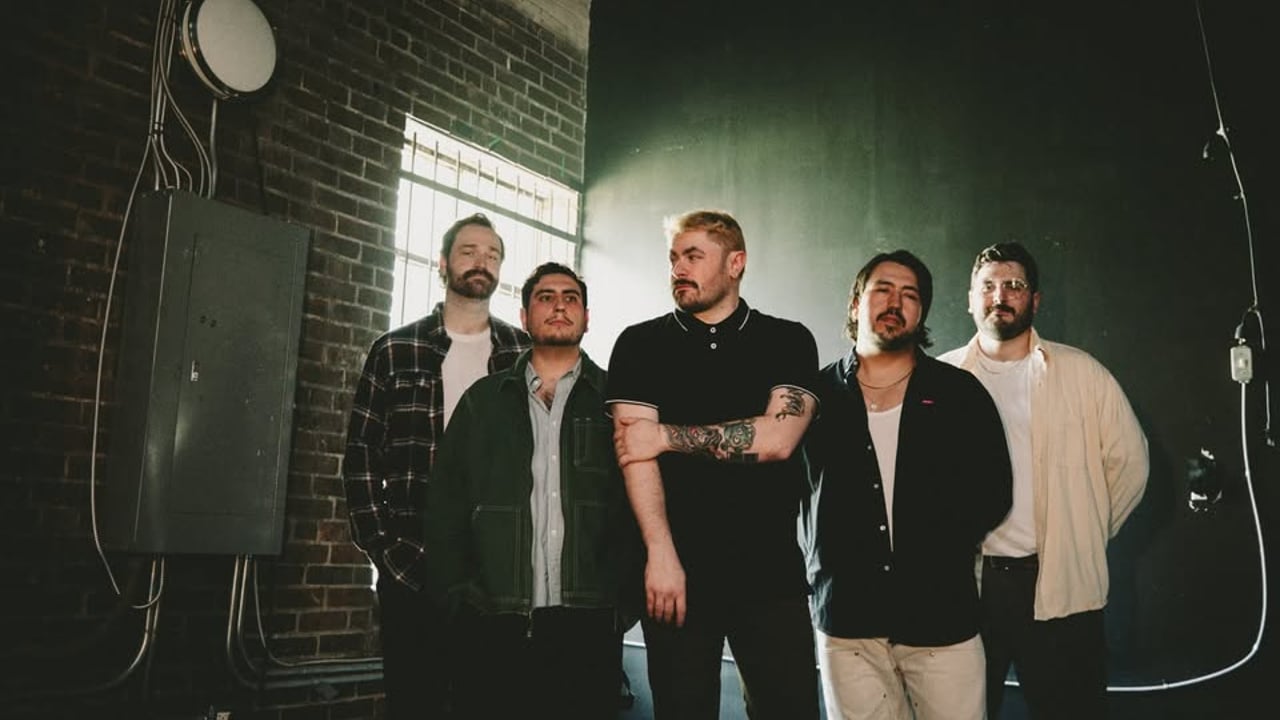 Free Throw
Nashville, TN // Est. 2012
-
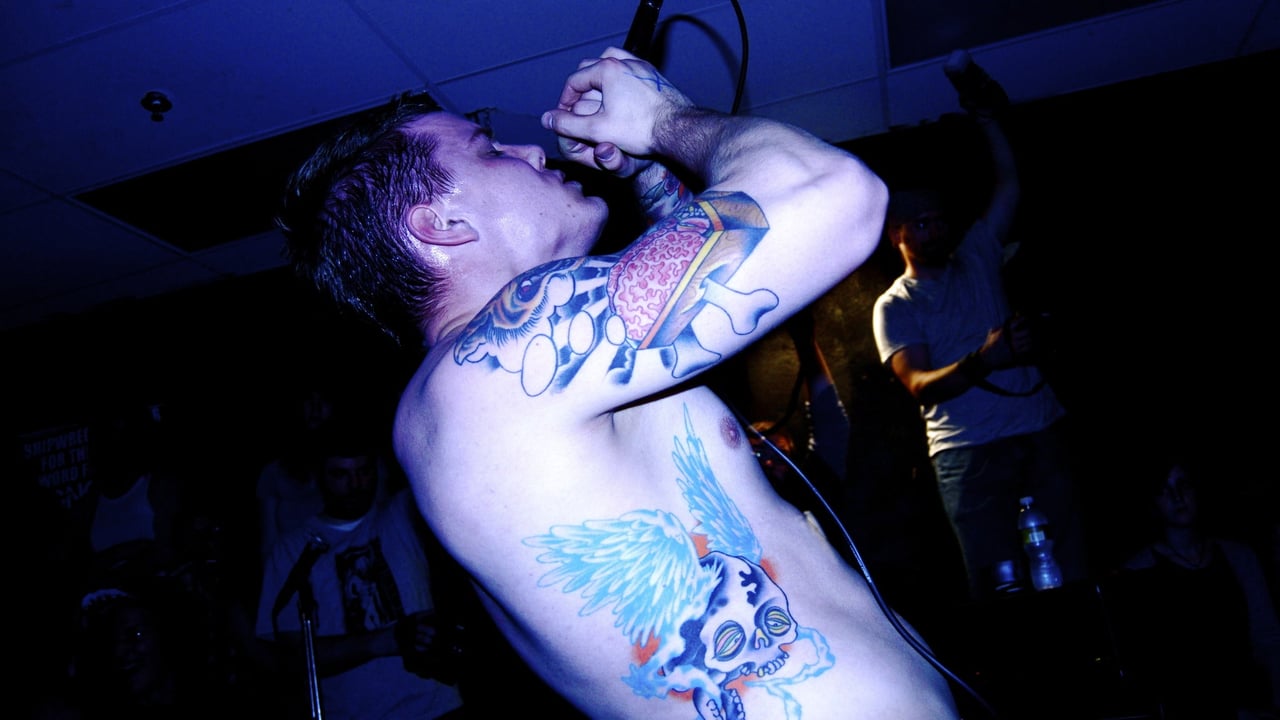 Trapped Under Ice2007 and forevermore
 -
Nothing
People often wonder why Philadelphia's NOTHING are so damn loud. In the case of many artists, the volume stems from a preoccupation with negativity, misanthropy and the human condition, drawn from the band's own personal experiences. In the case of NOTHING, that volume, rather than a selling point, is the only way the band has been able to translate the difficulty of real-life into musical form.
-
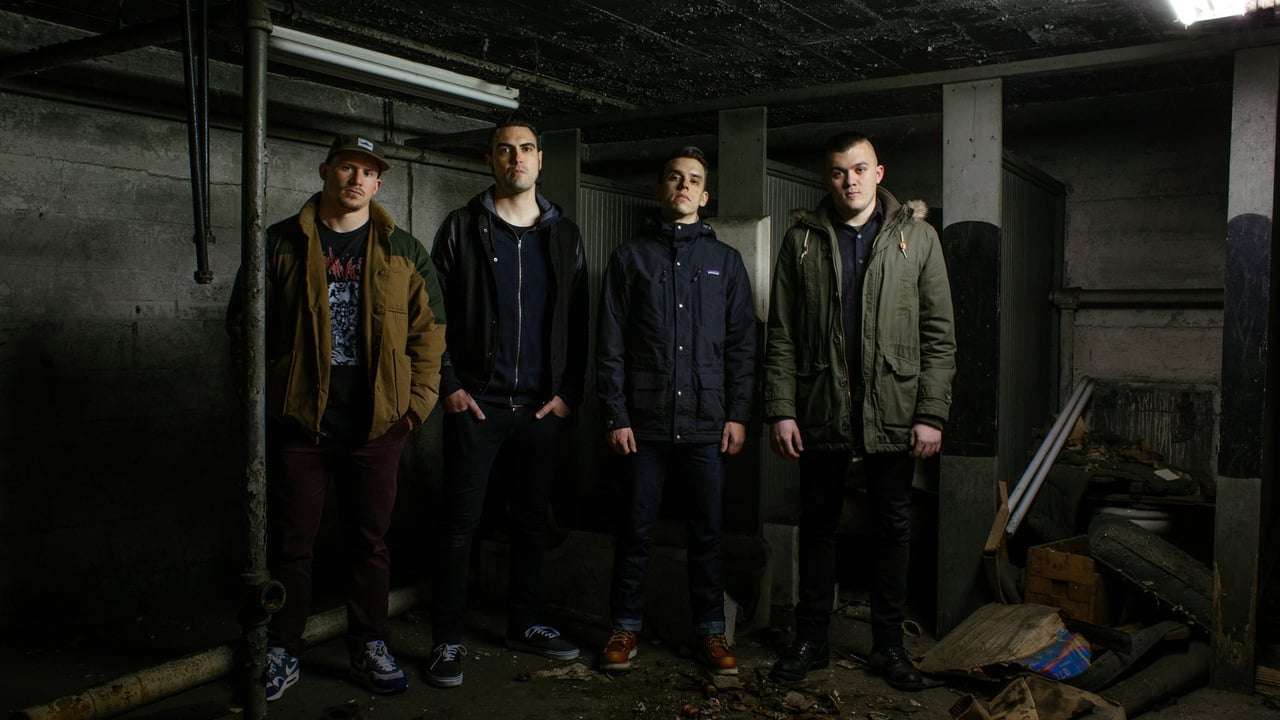 Harm's WayManagement/Booking: vitalo@goodfightentertainment.com
 -
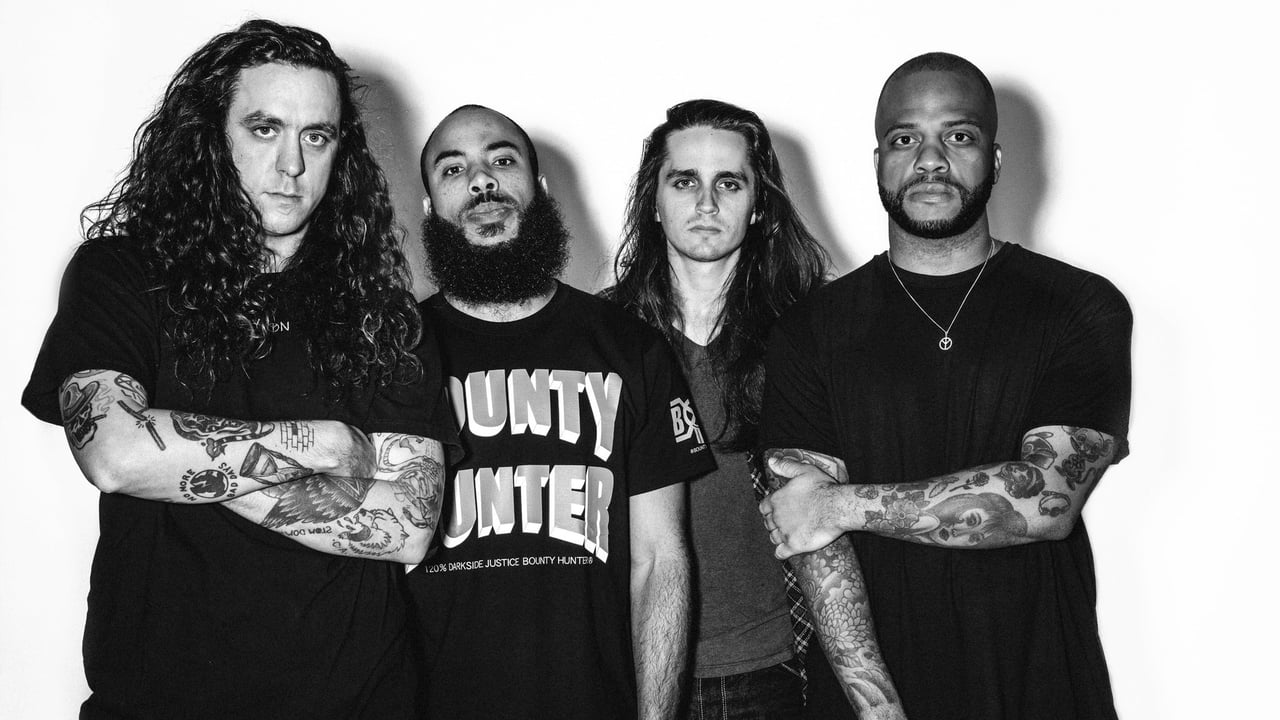 Trash Talk
Trash Talk are a punk band hailing from Sacramento, California, United States who formed in 2005. They are one of the most acclaimed hardcore punk bands in the world and have released five studio albums since their debut in 2007 along with six E.Ps.
-
Quicksand
Distant Populations, just the fourth full-length album of Quicksand’s career, comes as a comparatively swift follow-up to Interiors--which itself came a full 22 years after its predecessor, 1995’s Manic Compression. Critically lauded and deemed very much worth the wait, Interiors succeeded in reestablishing the band as the powerful and contemporary entity they had always been. “Our only conscious challenge for that period, really,” says bassist Sergio Vega, “was that we felt like we needed to make a record that was worth waiting that long for.” Its success proved that they met that challenge, and, he adds, “galvanized by that, we felt like we know what we are today. We know what fits in our template. And we can build off that and expand on that.”
Formed in 1990, Quicksand made their full-length debut with Slip—a 1993 release praised by The A.V. Club as “a nearly flawless record that combines the irony and heaviness of Helmet with Fugazi’s penchant to dismantle sound in the most energetic ways.” Arriving in 1995, their sophomore album Manic Compression appeared at #1 on the Top Five Best Post-Hardcore Records list from LA Weekly (who noted that “if there were any justice in the world, Quicksand would have been the biggest underground band of the ’90s”).
Throughout the early ’90s, Quicksand toured with bands like Helmet, Fugazi, Rage Against the Machine, and Anthrax. After disbanding in late 1995, they reunited for a one-night performance in June 2012. They’ve since appeared at festivals like FYF Fest and Pukkelpop, and in 2013 embarked on their first North American tour in 15 years. In 2017, the band released their long-awaited third-studio album Interiors which saw Consequence of Sound praise the band for their sound “that nobody else has been able to replicate in all the time they've been gone."
-
GlareNo description provided for artist.
-
Scowl
Santa Cruz Hardcore Punk
-
Ecca VandalEcca Vandal is a high octane, genre-defying performer from Melbourne, utilizing her punk rock routes to produce music that sounds like nothing else you’re hearing right now.
-
 High VisManagement: blaze@rocnation.com Booking UK: shaun@xraytouring.com PR (UK): tommy@bigwrld.co PR (US): nick@orienteer.us
 -
Pool Kids
Pool Kids' third album, Easier Said Than Done, shimmers with emotional clarity and courage. Adrenalizing and irresistible, it brings the dynamism of the band’s live show into the studio, showcasing a style that's unmistakably their own.
Pool Kids first started playing on Tallahassee's house show circuit. The band earned a fan in Paramore's Hayley Williams with their debut album, 2018's Music to Practice Safe Sex To. After they filled out to a four-piece -- Andy Anaya on guitar, Nicolette Alvarez on bass, Caden Clinton on drums, and Christine Goodwyne on guitar and vocals -- their 2022 self-titled record netted critical acclaim with its lush, high-contrast mixture of pop, emo, and math rock. They've shared stages with The Mountain Goats, PUP, Beach Bunny, and La Dispute. They hold fast to their DIY principles: Anyone can do what Pool Kids do. Anyone can start a band.
For Easier Said Than Done, Pool Kids worked with producer Mike Vernon Davis (Foxing, Great Grandpa). They funded the record themselves, and spent five weeks recording in Seattle. To save money during sessions, they stayed with friends, in motels, and slept on the floor of the studio. "We did a lot of searching, playing each song a million different ways and deciding which one sounded the best," says Goodwyne. With the completed record in hand, the band signed to Epitaph.
On the thundering "Tinted Windows," Goodwyne grits her teeth at the way spending months on tour and missing important milestones can stress close relationships. "Exit Plan" memorializes the experience of saying goodbye to friends at the end of a string of shows, knowing those powerful bonds may never feel the same again. On "Bad Bruise," Goodwyne makes a bid for understanding: "Pretty please, empathy / Got me on my knees," she sings while the band closes ranks around her.
Powerful collectivity rings through Easier Said Than Done -- in the dynamic interplay between Goodwyne and Anaya's guitars, in Alvarez's gravitational basslines, in Clinton's whirling drum patterns. Pool Kids lock together into a unified force, propelling themselves forward into hard-won release. Easier Said Than Done impresses one of the most important reminders anyone can hear: You don’t have to do anything in this world alone.
-
End ItEND IT hail from Baltimore, MD and they want you to know it. Formed in 2017, the five-piece have pride for the city and often address the unease mixed with hope that stems from the community they live in. The band came on strong with the release of their self-titled EP the same year they started, and followed it up with 2020’s One Way Track, gaining them notoriety amongst the hardcore scene. END IT are set to release follow-up Unpleasant Living on their label home Flatspot Records this July. Recorded with Kevin Bernsten at Developing Nations Recording, Unpleasant Living delivers with ferocity and purpose. The message? Mind your business. The band takes heavy influence from ‘90s hardcore, having already drawn comparsions to acts like Leeway, Gut Instinct, and Maximum Penalty. They’ve also shared the stage with a diverse group of artists, ranging from Cro-mags and Life Of Agony to Turnstile and Lil Ugly Mane, and will add to that list this year as they plan to play shows as much as possible. With absolutely no sign of slowing down, END IT is to be liked at face value or not. The choice is yours
-
 Sanction
Progressive Metal
-
 Glixen
Glixen is a shoegaze band from Phoenix, Arizona whose sound consists of tender melodies encased inside chrome walls of grungy textures and heavy guitars. Founder and lead vocalist, Aislinn Ritchie, began the project in 2020 enlisting guitarist Esteban Santana, drummer Keire Johnson, and bassist Sonia Garcia. Emerging from a scene of local DIY artists, the band’s unique sound and look set them apart allowing them to perform in cities across the United States playing alongside bands like Narrow Head, Cowgirl Clue,
MSPaint, Hotline TNT, and They’re Gutting A Body of Water. She Only Said, the band’s debut EP, was released last summer through Julia’s War Records. Glixen continues to push the genre by utilizing a playful approach, incorporating ethereal pop vocals and shimmering guitars that guide you toward the feeling of true self - expression. Glixen is currently working on their sophomore EP, due for release in 2024.
-
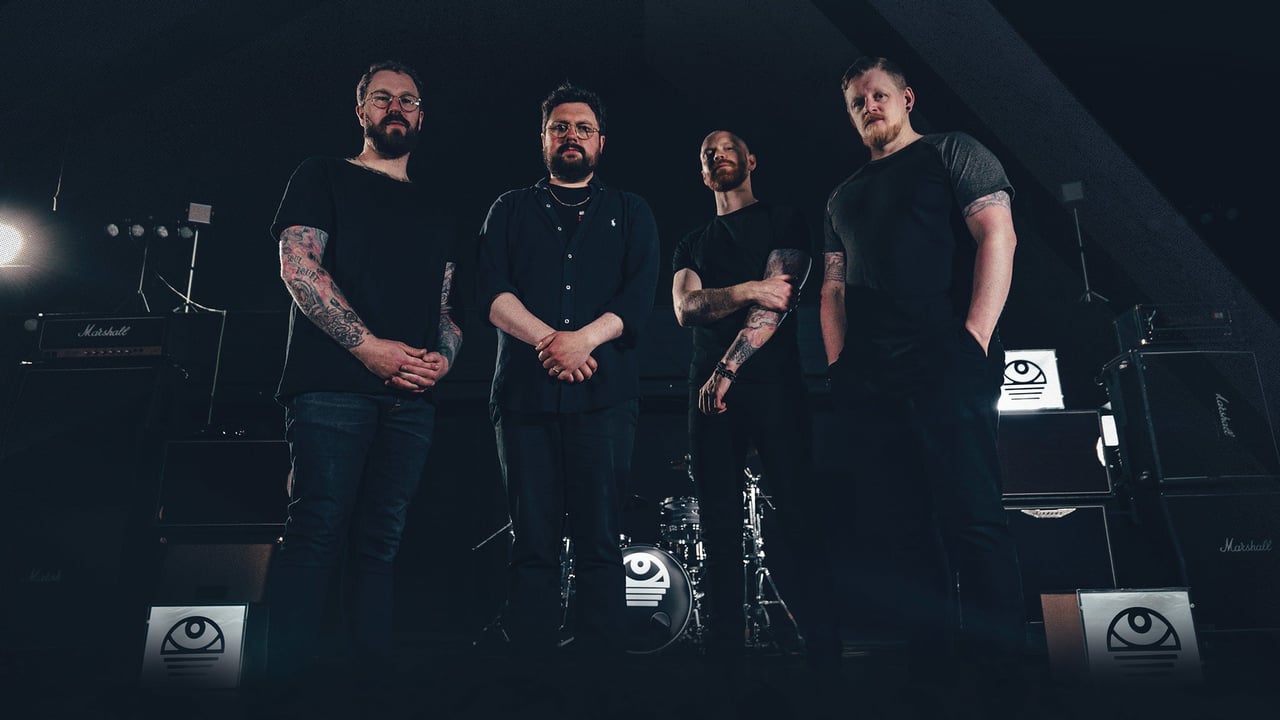 BlanketModern Escapism takes the post-rock blueprint of the band’s 2018 debut full-length How To Let Go and infuses it with reverberating waves of shoegaze eclecticism and sudden outbursts of savage metal. The widescreen, cinematic expanse of Blanket’s sound still remains however, and rather than neuter their grand ambitions, these additional elements have simply expanded their sonic pallet without compromising the grandiose vision that gives Blanket their identity.
Modern Escapism’s narrative of vicarious modern living is one that we can all relate to. Our increased exposure to modern technology has created a void in our lives, one that we try to fill with online social interactions and voyeuristically peering into the lives of others. But all this time staring at a small screen in the pursuit of instant gratification can be a distraction from us living our lives to their fullest potential. Modern Escapism and its accompanying visual stimuli (inspired in part by films as diverse as Requiem for a Dream, Fight Club and The Truman Show) explore this idea of shallow interactions and control through social media that can ultimately lead to a sense of disconnection and lack of validity.
Guitarist Simon Morgan elaborates on the album’s theme. “It's about the obsession that we have with other people's lives and how that’s pushed down our throats through social media. People document every single facet of their lives and put it up on display in exchange for little dopamine hits when someone 'likes' something or comments on a post. Everyone's living such a public life and everyone can see what everyone else is doing all the time … it's a strange time we live in.”
Blanket spent three weeks in the studio recording Modern Escapism (as opposed to the rushed 10 day session on How To Let Go) with seminal producer Lewis Johns at the helm. The extra time spent shows in the lush instrumentation and sprawling euphoric beats that Blanket manage to hit throughout. Thematically, the album may scrutinize the drudgery of modern living, but the music plays paradoxically to that theme with its radiant peaks and euphoric highs.
The band underwent a fairly arduous process to get to the album that you now hear however, throwing out 15 – 16 songs that were initially primed as the follow-up to How To Let Go. Vocalist / Guitarist Bobby Pook explains “It was far less realised than this iteration of the album. There were some songs that were clearly inspired by Bon Iver or Bright Eyes and then there were some songs that had a clear through-line to Circa Survive or Balance and Composure or Citizen … stuff like that. It felt like a bunch of songs rather than a coherent album; maybe within those 15 songs there were 3 coherent Eps but not an album.”
After careful consideration, this iteration of the album was shelved for the more organic compositions Blanket composed with relative ease over lockdown. A different vision started to materialise, one that took the ethereal fluidity of Slowdive, the vicious down-tuned riffs of Deftones and the epic euphoria of Mogwai and coalesced them together into something far more cohesive. “The version that you hear now came together pretty quickly” says Bobby. “It felt much easier and more natural than the first.”
Blanket toured extensively in support of How To Let Go, supporting the likes of Zeal & Ardor, Polyphia, Cellar Darling and Tides of Man and played festival sets at the likes of Bluedot, ArcTanGent, Supersonic, Lytham and Desert Fest.
Modern Escapism marks the point where Blanket carve out their own identity; somehow pushing themselves beyond the sonic tapestries explored on their debut has enabled Blanket to highlight their own idiosyncrasies. As vocalist / guitarist Bobby Pook puts it, “We don't really fit in with the post-rock people, we don't really fit in with the math rock people, we don't really fit in with the metal crowd but I like that. If we don't fit into any of those cliques, then we’ve found our own thing. This album that we have now has found its own voice.’ -
 Love Is Noise
Love Is Noise
-
Tummyache
tummyache is An Alternative Rock Project created by Songwriter/producer soren bryce.
-
Truck Violence
Truck Violence (Montréal, QC) is a medley that wails its way through the bitters of modern Western Canadian hardcore and folk, an honesty and shamelessness in disappointment that is both a comfort and a stern regard. Starting in 2021 with a move from the prairies of Alberta to Montréal, guitarist-banjoist Paul Lecours and singer-poet Karsyn Henderson, from sticks to city, have had to adapt whilst maintaining roots and authenticity. Informed by punk, shoegaze and sludge, their unique sound is the product of a multiple-project span that saw an array of sonic changes.With the full-length release of Violence (July 5th, 2024 via Mothland), the route is set for Truck Violence’s crashing ode to their roots and violent betterment to continue at full speed. Aiming to embrace the catharsis of hardcore, while commemorating their roots in folk and country music, this debut long-player from the Montréal four-piece is concerned with the all-too-hushed addiction, abuse and dysfunction in isolated country families. Highly recommended for fans of earnest heavy music with an experimental edge à la Show Me The Body, Chat Pile or The Chariot.