Pukkelpop 2026 @ Pukkelpop 2026
Pukkelpop 2026, , Hasselt Kort
fim. 20.08.2026 00:00
Pukkelpop 2026 at Pukkelpop 2026 at 2026-08-20
Flytjendur
-
ParcelsLOVED https://parcels.lnk.to/bio
-
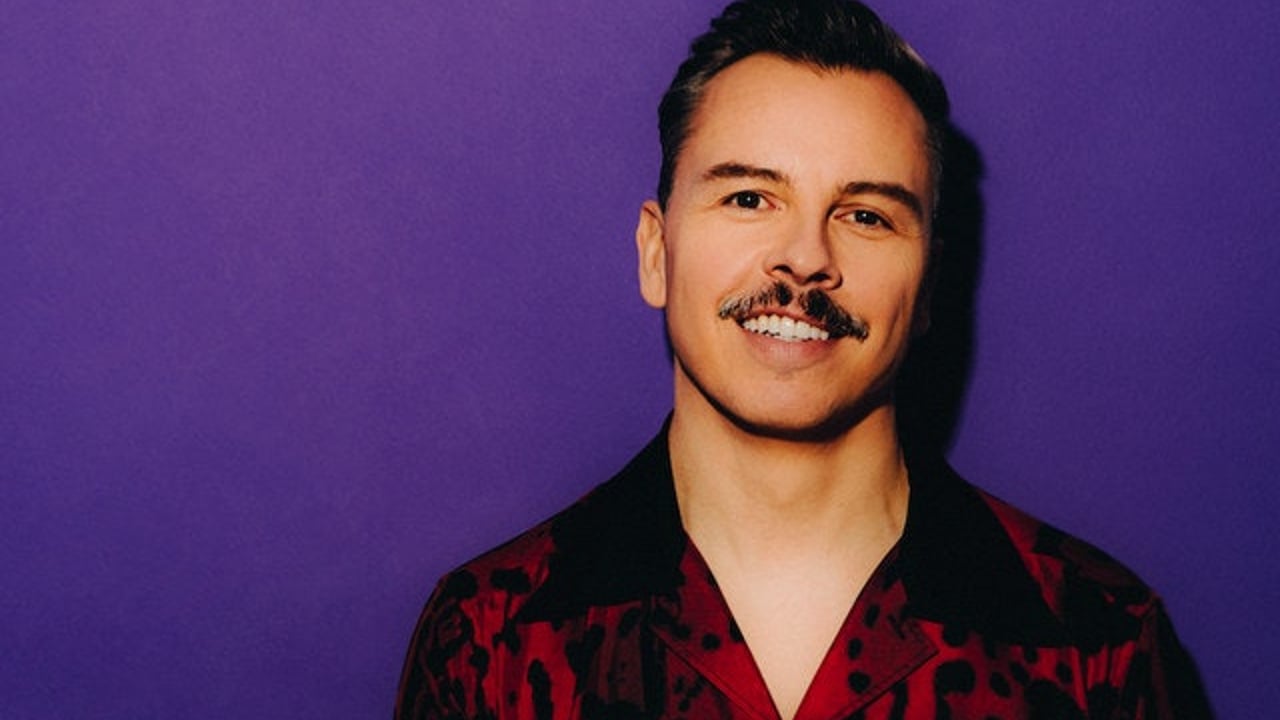
Purple Disco MacHine
The sound of Purple Disco Machine describe some as "Deep Funk". In 2009 the project Purple Disco Machine was founded. In recent years, PDM composed many songs, including, "My House", which was published by Off Recordings. The PDM hype was lifted to a n..
-
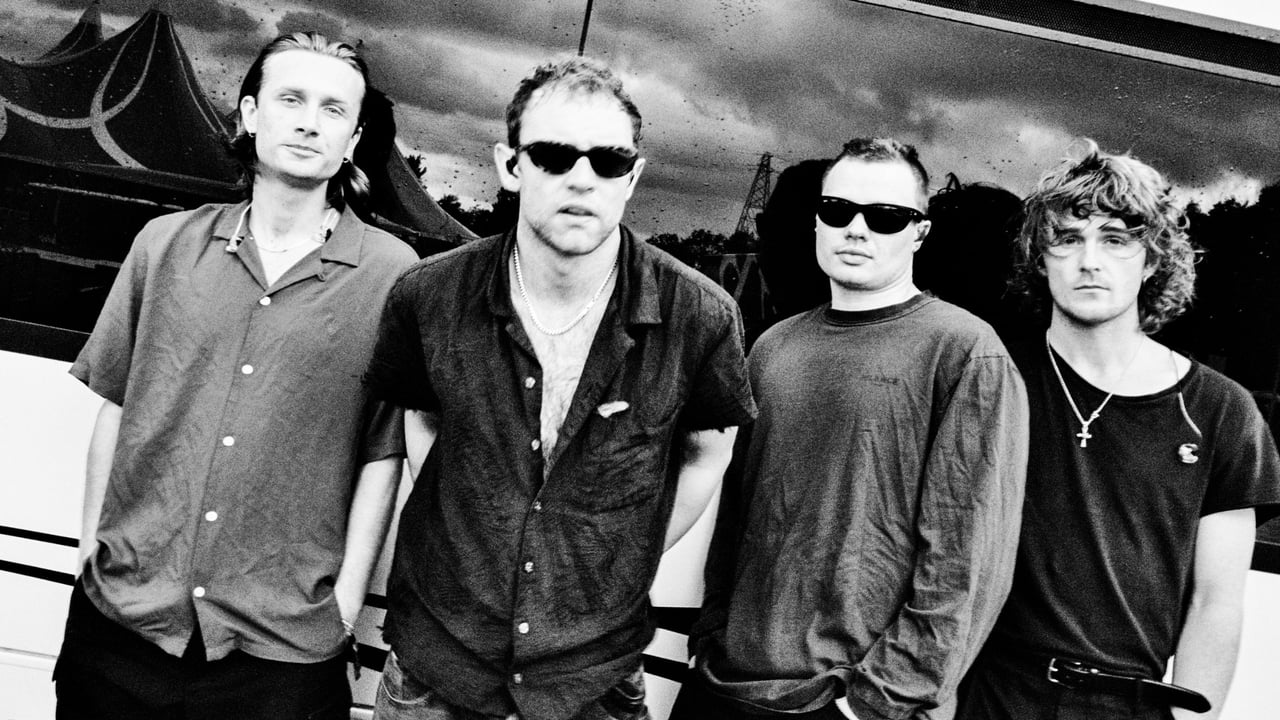 Wunderhorse
Wunderhorse have seen their popularity snowball the old fashioned way; winning fans over through visceral live performances and Jacob Slater’s vivid songwriting. 2024 saw ‘the arrival of a band that could become generational’ (Rolling Stone UK) with the release of their sophomore album, Midas. Recorded at Minnesota’s Pachyderm Studio (birthplace of Nirvana’s In Utero & PJ Harvey’s Rid Of Me) with producer Craig Silvey, Midas follows their acclaimed 2022 debut, Cub, and captures the visceral atmosphere of the band’s lauded live performances. Following a year supporting the likes of Fontaines D.C and Sam Fender, 2025 sees the band touring North America ahead of playing their biggest headline shows to date, and their first European headline tour. Wunderhorse are a band who have quickly become one of British guitar music’s most exciting outfits.
-
 Blond:Ish
BLOND:ISH is a DJ, producer, record label head, environmental activist, Web3 entrepreneur, serial collaborator, energy worker and spiritual seeker (and just about everything in-between).
-
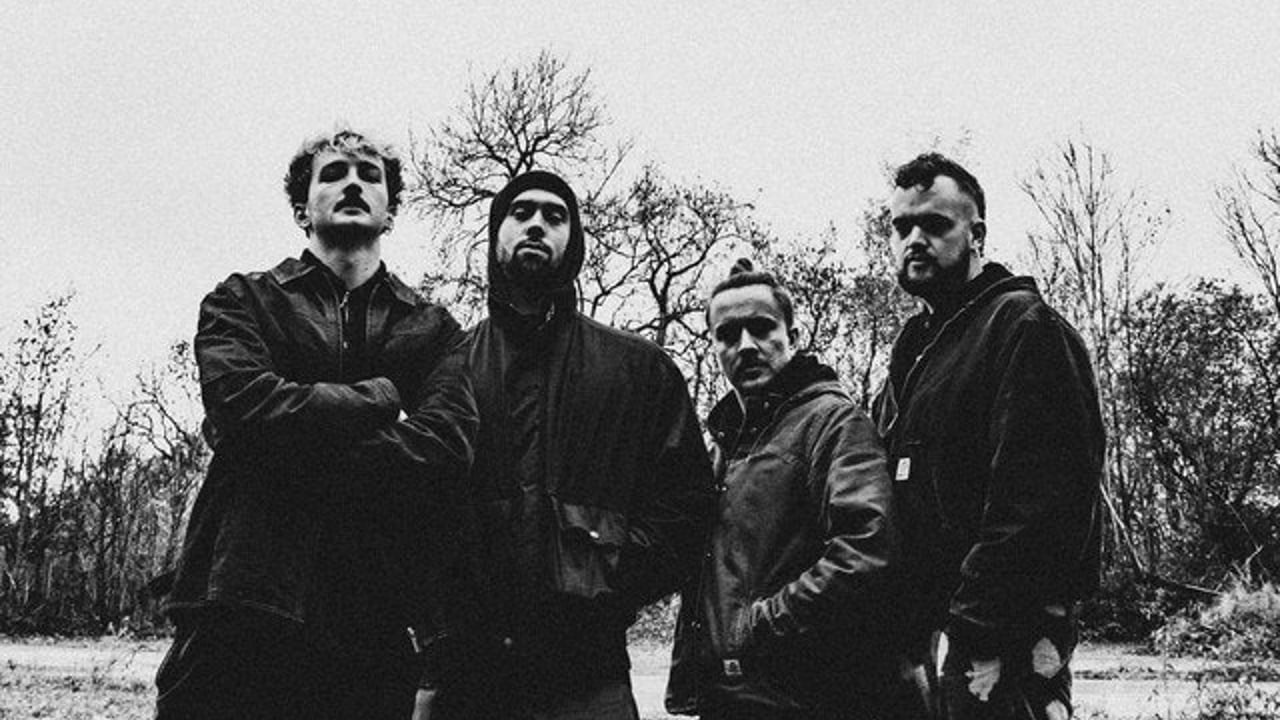
Maruja
Artists in the truest sense of the word, Maruja’s ferocious combination of punk, harsh noise, and transcendent cosmic jazz is fast marking them out as one of the most exciting new acts in the country. The years spent relentlessly honing their craft are paying off in style, driven not just by passion but rather an all-consuming need to create and perform with a visceral intensity, they are both electrifying and terrifying.
Anyone who’s seen a Maruja show will know what drummer Jacob Hayes means when he talks about an atmosphere that’s “both feral and loving.” Maruja gigs are a spiritual experience – free-flow jams of uncategorisable music. Punk meets free jazz, with lyrics, rooted in rap, that are all about the message; vicious guitar loops, psychedelic bass, transcendent saxophone – and a voice, in Harry Wilkinson, that stretches from a Manchester version of Zack de la Rocha, to a call to prayer.
Their long-awaited debut album Pain to Power captures those moments in live performance when, as Jacob puts it, “things move to another level – the flow state”. The band compose in a unique way: their music is largely improvised, and they bring their personal feelings into every jam – so it was natural that contemporary politics bled into their songwriting. “Trump came in on 20 January, slap bang in the middle of our recording process,” says saxophonist Joe Carroll; and the band have followed the conflict in Gaza with grim attention, resulting in (as bassist Matt Buonaccorsi puts it) “that combination of heavy tragedy and hope. This is a tragedy that’s beyond horrific, it’s so oppressive that hope itself seems impossible to find.”
This cycle of tragedy and hope is there at the heart of Pain to Power. “It starts off brutal and turns into something powerful and expressive,” says lyricist, rapper and singer Harry. “We have to trust in that circle of life, and in our power to overcome pain.” The album follows the arc of a live show: an onslaught of energy, arriving at a place of transcendence, the music itself “rising from the ashes”.
Some of the most political music is the least prescriptive. At their heart, Maruja fight against an increasingly individualistic society. At the end of every show, Harry repeats the same mantra: “We wish you peace, prosperity and unity in these times of global oppression. Together we are stronger, please raise a fist for solidarity”. Everyone joins in, he adds.
Pain to Power was put together in an astonishingly short time – just two months, at the start of this year – and was produced by Samuel W Jones, already expert at giving Maruja records the feel of the crowd that wasn’t there.
The lead single Look Down On Us is a hair-raising critique of late-stage capitalism, morphing into a poignant meditation on the need for hope fuelled by plaintive sax.
The ferocious Bloodsport (“Complicit! Crossfire! No Vision! Live wire!”) was finished in just two hours. The song started with a guitar loop and a pounding drum roll, but the boys realised it had the same BPM as many of the records in their vast drum and bass collection: “so this is drum and bass through a punk filter.”
Harry almost raps, even talking about the record, his words coming in a rhythmic flow of energy. Maruja have always been acutely aware of mental health, and Bloodsport takes world events and examines their corrosive effect on the individual: “We're swallowing our fears till our kids are overdosing… I'm an addict addicted to my bad habits…”
“How does someone feel when they have no power?” Harry says. “All they want to do is find a little bit of dopamine to release them from the oppressive cloud that hangs over their head. All of these narratives coalesce into mental health crises. How are you going to pull yourself out of that? It takes courage to try and find inner peace, to recognise our own flaws…”
Pain to Power identifies the frustrated energy of a disengaged populace, and of people who want to protest but are finding it harder and harder in the current climate. On a recent American tour, the band spoke with fans who have taken to wearing balaclavas on peaceful demonstrations, afraid of arrest and deportation.
Maruja have a strong message of spirituality and talk about it with an understanding that recalls John Coltrane and other jazz giants of the past. It is a sentiment captured in Born To Die (“We are universal spirits and our kingdom is this earth,”) which whirls into a storm of cymbals and industrial feedback.
“Music itself is healing,” says Harry, “and we should help other people in a culture that is very repressed. The only spiritual things left in the world are music and love. Spirituality is ridiculed – people would rather believe in nihilism, which shows how disconnected we are.”
The tension of Pain to Power – the rage that informs those heavy opening songs – is repeatedly built up and broken by sonics reproducing the euphoria at the end of Maruja shows.
Zaytoun, with its vocal cries like seagulls, is a fully-improvised free-jazz piece, named after the Arabic word for olive tree: a symbol of peace and resilience with connection to the land that is deeply rooted in Palestinian culture. “That’s what our jams are,” says Joe. “Coming together to release this energy. We can’t do it by ourselves, so it symbolizes our unity.”
Saoirse, meaning ‘freedom’, and inspired by the band’s own Celtic roots, is a showcase for sax and strings. This remarkable track looks at the ties between Ireland and Palestine, epitomised in the Irish protest slogan “Saoirse don Phalaistin”. Among his grandfather’s possessions in Sligo, Joe found a decades-old comic strip depicting a “Black and Tan” Irish soldier boarding a boat to Palestine. Lyrically the song speaks to the power of unity to combat division with frontman Harry Wilkinson’s deeply moving mantra: 'It’s our differences that make us beautiful’.
The exquisite nine-minute opus Reconcile, with an entrancing polyphonic interlude and a story all of its own in the drums, is about embracing love, being at peace with the cycle of destruction. “The hatred will always come,” says Joe. “Embracing love is the overall message.”
The shuddering metal of Trenches was inspired by one of Maruja’s regular messages to fans before gigs: “See you in the trenches!” The song is a nod to the band’s personal story – and to their belief in the power of music to effect change: “We use those words, see you in the trenches,” says Joe, “because the message of the band is about community – trying to make a difference.”
Does he think Maruja can make a difference?
“Yes. Music used to be a superpower – Marvin Gaye, Nina Simone, all these artists were speaking to the Black Power movement, and music was at the height of culture. The world is crying out, especially on the left, for people to build from a place of community. For years it’s been your solo artists, your Ed Sheerans – but to have a band, a community… We see it at the shows, the countless personal stories we’ve heard.”
Maruja don’t hide their political feelings at gigs, but they have to be increasingly subtle at US shows at the moment; in Washington recently, Harry spoke about a kakistocracy – being governed by those who are unfit to lead.
“We have to be careful about the way we put things, in order to reach as many people as possible. It’s strange when you have world leaders out there committing atrocities and there are no consequences at all! But if it’s harder to say stuff, it means it needs saying more than ever…
Their music, their very dynamics, speak loud enough: and the four-way friendship at the heart of the band is a metaphor for the kind of unity they’re seeking.
Matt and Harry studied music and performance together in Manchester, before Harry transferred to electronic music production. In their early days, Maruja sounded as funky as Parliament. Joe pushed it further into jazz territory when he brought his sax into the picture: his playing can bring to mind the mesmerising loops of Sufi music.
As for the jazz references, they have no training. It is more of an attitude, they say – a sense of possibility and freedom. “Jazz is having no boundaries,” says Harry, “and being completely free to express yourself. There is no formula, no rules. It comes from us loving what we do. We could improvise together all day and have the best day of our lives.”
“It’s about the energy of letting yourself go, something you can only achieve when you have been at it for prolonged hours,” Jacob adds. “You have to be really comfortable with one another emotionally so you can allow your unconscious to take over. We go into a trance-like state when we’re playing – an hour goes by, and you have no sense of time.”
“When we play, it’s always to do with getting things out that have been trapped in us,” says Harry. “Whether it’s war across the sea, relationships, society’s pressures – it’s always like you’re relieving some kind of pain. It’s about not being afraid of being vulnerable on stage, completely letting yourself go. People can see how free you are. I never felt as free in my life as I do on stage, jamming with the boys.”
“killer from front to back and I can’t wait for these guys to get into album mode….when these guys eventually go into full record mode, it’s going to be incredible” – Anthony Fantano
“will leave listeners breathless but begging for more” – DIY Magazine
-
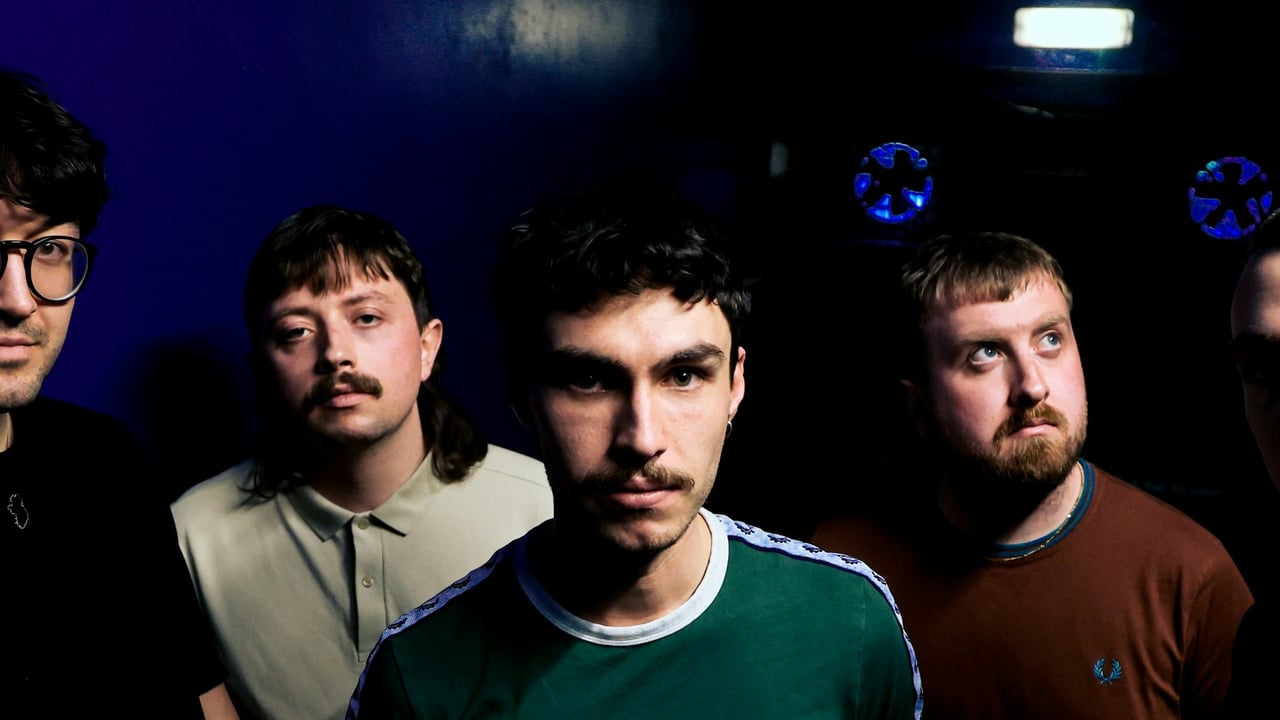
GurriersDescribed by the Irish Times as “raw as a butcher's cut, and just as fresh”, Gurriers’ raging combination of punk, noise, alt-rock and shoegaze along with singer Dan Hoff’s intense socio-political lyricism, has been championed across specialist radio and press in the UK, Ireland and beyond. Cutting their teeth supporting acts like Enola Gay and Goat Girl, Gurriers have fast established themselves as one of the most furiously exciting bands to come out of Ireland these last few years. The intensely heavy groove of new single 'Des Goblin' erupted into being following a string of critically acclaimed singles the last year, the most recent 'Nausea' dubbed by DIY magazine 'a slice of unforgiving punk' which followed the release of 'Sign Of The Times' and 'Approachable'. The last year has been a riot with a stack of UK and Dutch club shows and a Summer full of festivals across Europe whilst Gurriers have since grown into a mesmerising tour de force on stage. Ahead of their packed shows at The Great Escape in May NME stated “You know something special is afoot when an act continues to sell out shows off the back of only two singles'
-
Andromedik
MGMT: info@andromedik.com
ROW: francesco@primarytalent.com
BE: bookings@kurious.be
NA: mpuliz@corsonagency.com
-
BLUAIMusic is not a competition, but dreampoppers BLUAI are winning somehow. In just a few short months, Catherine Smet's bedroom project has exploded into the biggest buzz act on the Belgian alternative scene. They won Sound Track by vi.be, De Nieuwe Lichting by StuBru and Humo's Rock Rally, the three most important music contests in Belgium. In the meantime, the girls play show after show, released their debut EP 'Junkyard' and scored a radio hit with 'Dime Store'.
-
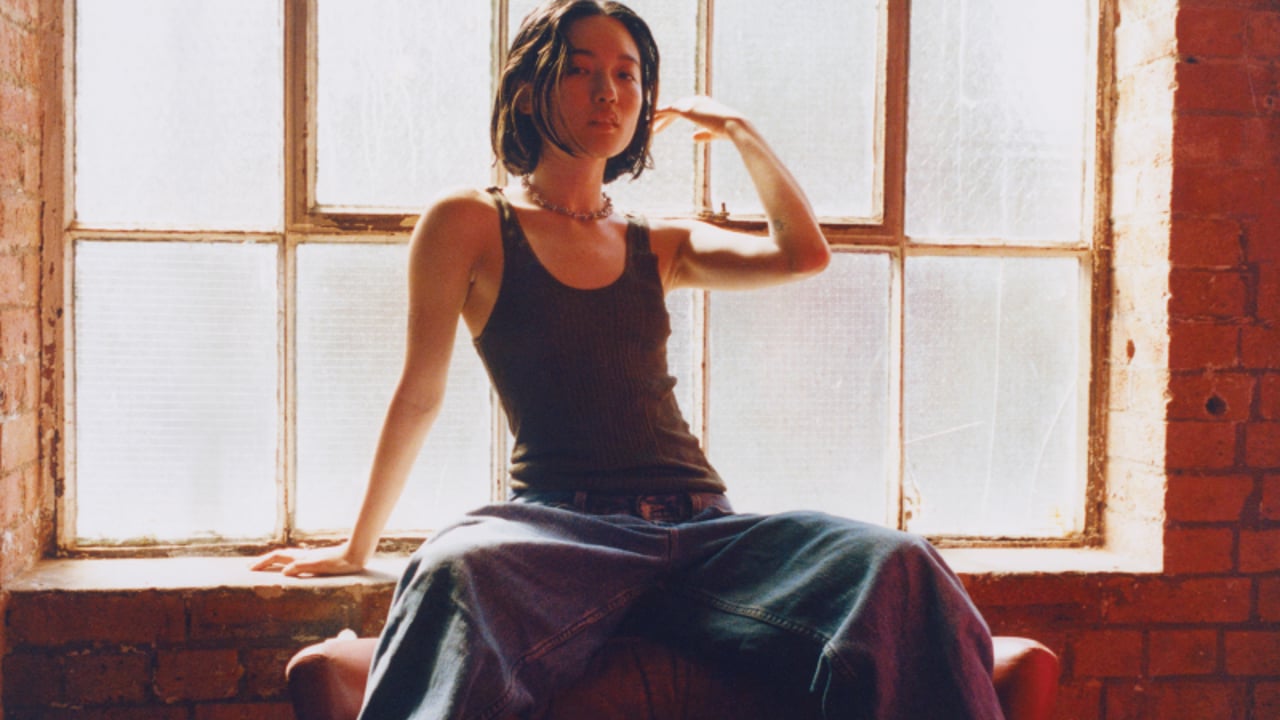
Chloe QishaChloe Qisha is a singer, songwriter and self-taught multi-instrumentalist who makes alternative pop. Born in Malaysia but educated mostly in Britain, Chloe is well traveled, considered and sophisticated but underneath there is a provocative and restless soul. That dichotomy is reflected in Chloe’s music which is intelligent pop with a dark, playful underbelly, and influences ranging from Troye Sivan and Chappell Roan to Christine And The Queens and Olivia Rodrigo.
-
 Djo
Djohttp://djomusic.com/tour
-
 DIKKE
DIKKEDIKKE has done something impressive. The rapping miner's son from Maasmechelen has finally connected his beloved Limburg to the national Belgian hip-hop scene. His biggest ambition is already a reality: to become a fixture in the Benelux. Mohamed Eddahbi Agounad – the "Neighborhood Biggie" – dropped his fourth album, SUMO (February 2025) to a sold-out AB venue in Brussels. His laid-back, regionally accented Dutch flow has become familiar fare.
-
John Summit
Off The Grid | Defected | Repopulate Mars