Canela Party 2026 @ Explanada Recinto Ferial de Torremolinos
Explanada Recinto Ferial de Torremolinos, , Torremolinos Kort
fim. 27.08.2026 00:00
Canela Party 2026 at Explanada Recinto Ferial de Torremolinos at 2026-08-27
Flytjendur
-
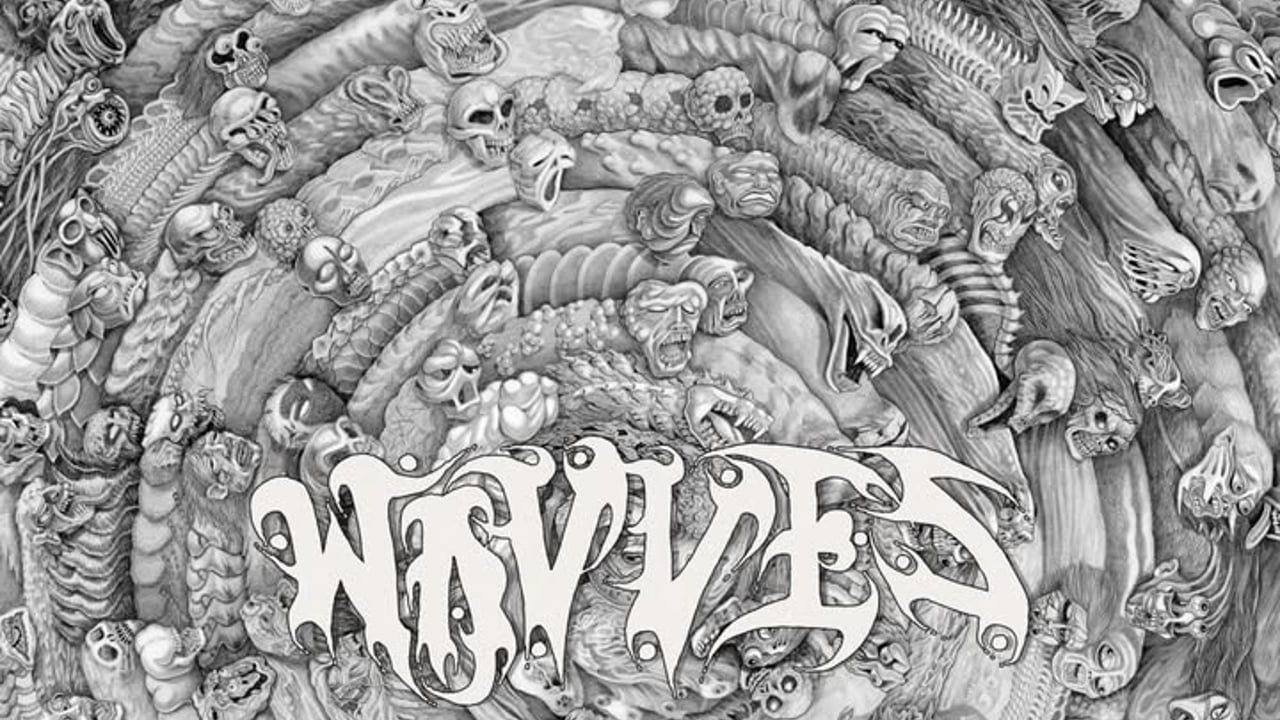
Wavves
Bass Drum of Death is getting back to basics. From the bare-bones title of their sixth record—SIX—to the writing approach—their first two LPs were recorded entirely on GarageBand—the creative process for the group is strikingly similar to the early stages of their career. While the new album marks a return to their original recording method, there are a few notable changes. Instead of working solo on the demos, frontman John Barrett and the band (Jim Barrett, guitar; Ian Kirkpatrick, drums) convened for several sessions in Barrett’s home studio in Nashville to bring the songs to life. Manning the faders was producer Jeremy Ferguson (Cage the Elephant, White Reaper), who then hosted the band for ten snowy days of fine tuning at his Battle Tapes studio. The result is a scuzzy blast of their signature sound, with influences ranging from The Stooges to ZZ Top and very much aided by Ferguson’s deft engineering touch. If SIX sounds like a return to form, the band proves they still have a few tricks in their pocket and things up their sleeve.
-
BasementUS Shows on sale Friday
-
 Mannequin Pussy
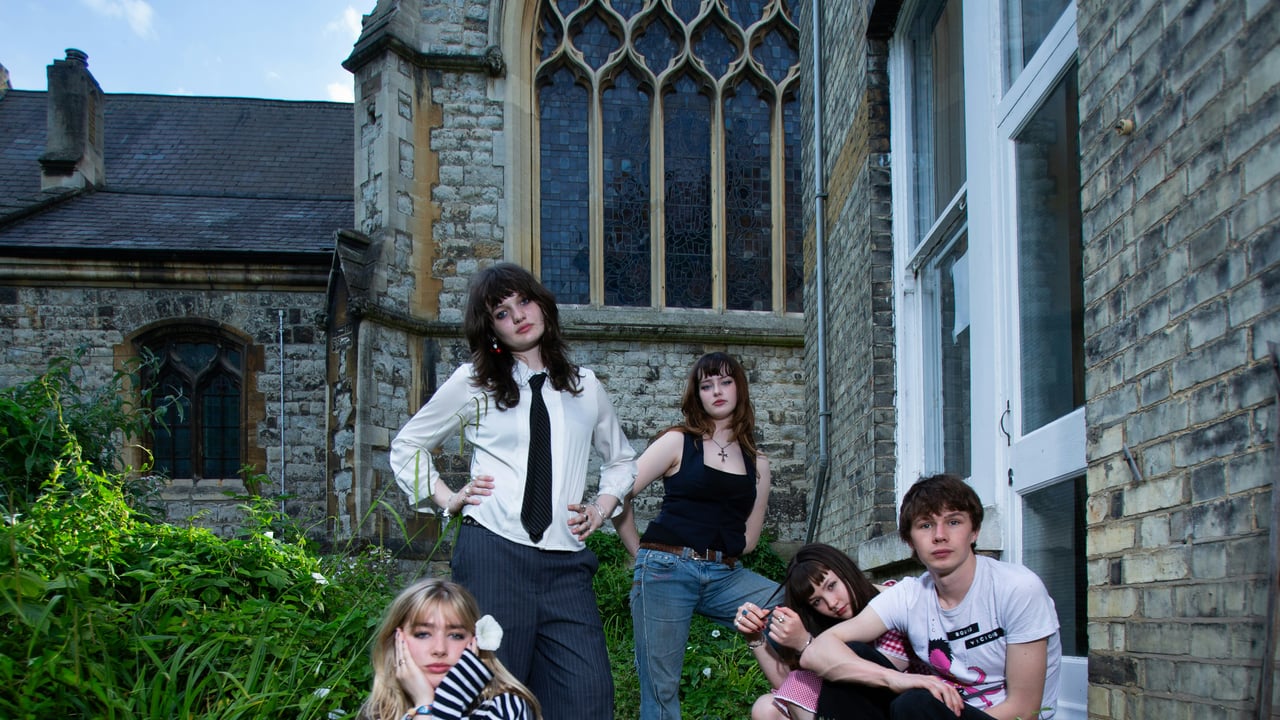
Mannequin Pussy’s music feels like a resilient and galvanizing shout that demands to be heard. Across four albums, the Philadelphia rock band that consists of Colins “Bear” Regisford (bass, vocals), Kaleen Reading (drums, percussion), Maxine Steen (guitar, synths), and Marisa Dabice (guitar, vocals) has made cathartic tunes about despairing times. “There's just so much constantly going on that feels intentionally evil that trying to make something beautiful feels like a radical act ,” says Dabice. “The ethos of this band has always been to bring people together.” Their latest I Got Heaven, which is out March 1 via Epitaph Records, is the band’s most fully realized LP yet. Over 10 ambitious tracks which abruptly turn from searing punk to inviting pop, the album is deeply concerned with desire, the power in being alone, and how to live in an unfeeling and unkind world. It’s a document of a band doubling down on their unshakable bond to make something furious, thrilling, and wholly alive.
Following the 2019 release of their critically acclaimed third album Patience, Mannequin Pussy returned in 2021 for their EP Perfect. They toured that release relentlessly and added guitarist Maxine Steen to the band’s official lineup. Where the band members’ personal lives were in transition with breakups, changing living situations, and periods of self-reevaluation, their time together on the road was a grounding and clarifying force. “There was so much going on in our lives that it was the perfect opportunity to recalibrate who we were as people and musicians,” says Regisford. The band changed their entire formula, choosing to write together in Los Angeles with producer John Congleton over slowly crafting tracks at home. “When I've written songs, it's usually a very solitary process,” says Dabice. “So this was shedding a lot of those hermit-like qualities to do something intensively collaborative. Your best work comes when you allow other people into it.”
By December 2022, the band had 17 new songs written with Congleton in Los Angeles. “Everyone felt empowered to speak up about their own ideas to make this thing the best it could possibly be,” says Regisford. New member Maxine Steen, who has made music with Dabice for years including their side project Rosie Thorne, was especially essential to the writing sessions. The album opener “I Got Heaven” initially started as one of Steen’s demos. “When she showed it to me I knew it was going to be fun because the verses have this hard-hitting and aggressive approach but the chorus allows for a really soaring melody,” says Dabice. The result is electric. Over walloping guitar riffs, Dabice defiantly yells, “And what if I’m an angel? Oh what if I’m a bore? And what if I was confident would you just hate me more?
The song with its righteous lyrical blending of the sacred and profane is an unapologetic look at Christian hypocrisy. “I don't think there's ever been anything in need of a spiritual revolution more than modern-day Christianity,” says Dabice. “It sickens me the way that people use it as a way to do the worst things imaginable, say the worst things imaginable, and pass the worst imaginable legislation that directly harms people.” Instead of judgment, greed, and avarice, the songs on I Got Heaven ask what it really means to genuinely care about the people around you and help your communities in ways you can. “The world that we live in is heaven,” says Dabice. “We live on the most beautiful planet in the solar system, just by a chance and we are continuingly destroying it.”
This sentiment is mirrored by the album’s cover art: a figure and a pig in nature. There’s an intentional ambiguity there that makes you wonder if this person is leading the animal to slaughter or its protector. “We should really be the shepherds and the protectors of everything that we have and the world we live in,” says Dabice. I Got Heaven is an album that understands the stakes of its message: there are countless references to fire, hunger, and holiness. Here, teeth gnash and bodies are temples that ache with desire. On the yearning single “Nothing Like,” which is anchored by a dancey, shuffling drum beat from Reading, Dabice’s voice eventually morphs from a coo to a roar as she sings, “Oh what’s wrong with dreaming of burning this all down?”
Even when the songs on I Got Heaven don’t deal with fundamental human questions about how to live, Mannequin Pussy still finds ways to add urgency and resonance. Just take the buoyant and playful single “I Don’t Know You,” which slowly builds to a hair-raising peak with Reading’s brushed percussion, Steen’s enveloping synths, and a thoughtful groove from Regisford. “On that song, I changed the tuning last minute which transformed the song but everyone instinctively knew what to do,” says Dabice. “It was really cool to watch a song come alive in real-time. It's such a gift to meet other people who are creatively on the same wavelength as you, where there's no judgment in sharing ideas.”
The lightness of this track pairs perfectly with the rest of the tracklist, even when it’s snarling rock like “Loud Bark” or punishing hardcore punk with Regisford sharing lead vocal duties on “OK? OK! OK? OK!” “If you're a Mannequin Pussy fan, you know that we're going to have some rippers,” says Regisford. “We're gonna have something that's going to be in your face. But we're also going to give you something that's going to be light to the touch with its own version of aggression.” The loud and uncompromising single “Of Her,” finds Dabice screaming, “I was born / Of her fire / Of sacrifices That were made / So I could make it.” It’s a song about living life without regrets and understanding the sacrifices that you and your parents, especially your mother, made to allow you to live the life you want.
I Got Heaven is a visceral and stunning album for people who aren’t content with the status quo, made by people who challenged themselves and got out of their comfort zone. ”We're supposed to be living in the freest era ever so what it means to be a young person in this society is the freedom to challenge these systems that have been put on to us,” says Dabice. “It makes sense to ask, what ultimately am I living for? What is it that makes me want to live?”
-
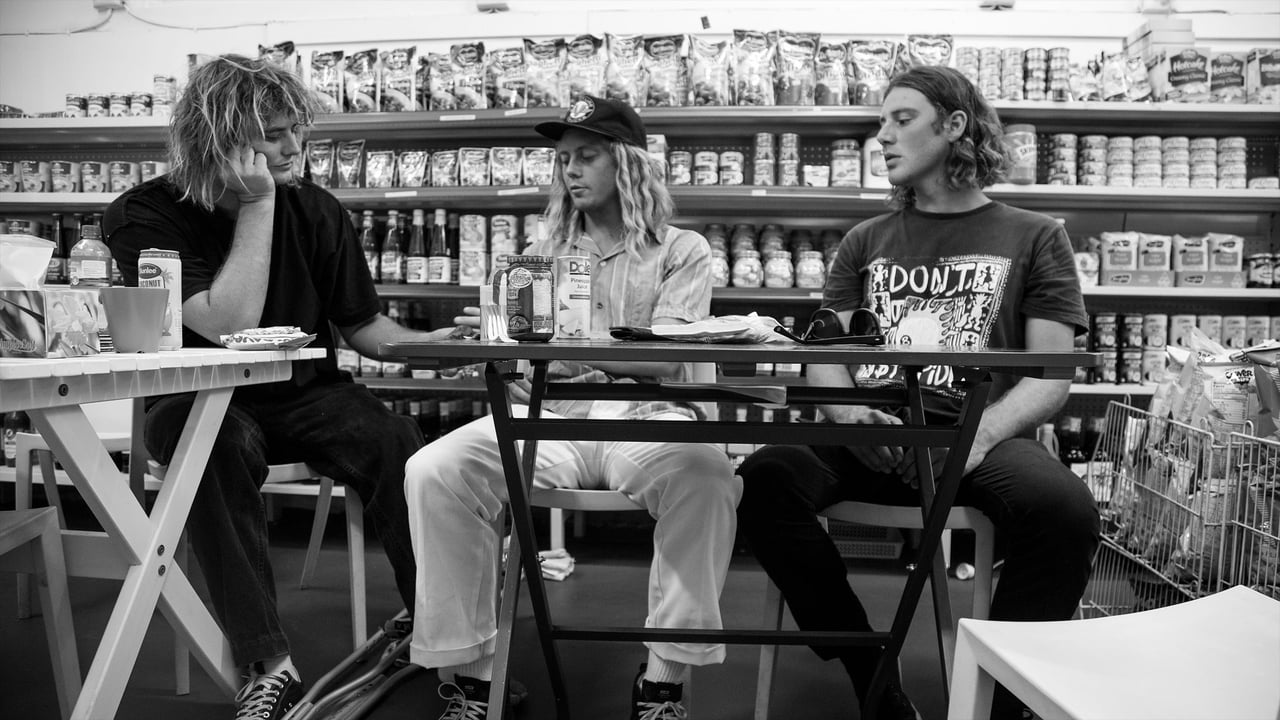 Skegss
http://instagram.com/skegss
-
Deafheaven
DEAFHEAVEN.COM
Deafheaven’s music feels like a project of accrual—on each album they fill new songs with elements of what they’ve learned in their earlier experiments. You hear echoes of past recordings in the howls of the present: the sun-dappled screamo histrionics of Roads to Judah are more fully realized in Sunbather’s pastel star-scapes; New Bermuda doubles down on the heaviest elements of both of those records; Ordinary Corrupt Human Love threads together elements of the soft and the heavy into an especially epic statement. Infinite Granite, often described simply as Deafheaven’s record with mostly clean vocals, compressed it all into something strikingly solid. That was true, but there was much more to it than that; listening to Lonely People With Power, you can hear its echoes everywhere—and if you listen closely, you can find deeper ways back into it when you listen to it again... Ultimately, Lonely People is a record that is anti-loneliness. It’s about finding less harmful ways to escape: your chosen family, your community, and even magic.
-
 The Beths
The Beths know the futility of straight lines. This existential vertigo serves as the primary theme on the New Zealand indie heroes’ fourth album Straight Line Was A Lie (their first for new label ANTI-). The Beths posit that the only way round is through; That even after going through difficult, transformative experiences, you can still feel as though you've ended up in the same place. It's a bewildering thing, realising that life and personal growth are cyclical and continual. That a chapter doesn’t always end with peace and acceptance. That the approach is simply continuing to try, to show up. “Linear progression is an illusion,” lead singer and songwriter Elizabeth Stokes says of the album. “What life really is is maintenance. And finding meaning in the maintenance.”
The path from The Beths’ critically celebrated and year-end-list-topping 2022 LP Expert In A Dying Field to Straight Line Was A Lie, written in Los Angeles and recorded in the band’s hometown of Auckland, was also anything but straightforward. For the first time, Stokes was struggling to write new songs beyond fragments she’d recorded on her phone. She’d recently started taking an SSRI, which on one hand made her feel like she could “fix” everything broken in her life, from her mental and physical health to fraught family dynamics. At the same time, writing wasn’t coming as easily as it had before. “I was kind of dealing with a new brain, and I feel like I write very instinctually,” she says. “It was kind of like my instincts were just a little different, they weren't as panicky.”
Stokes and her longtime Beths bandmate, guitarist, and creative partner Jonathan Pearce responded by breaking down the typical Beths writing process. For inspiration, they read Stephen King’s On Writing, How Big Things Get Done by Bent Flyvbjerg and Dan Gardner, and Working by Robert A. Caro. Liz broke out a Remington typewriter (a birthday gift from Beths bassist Benjamin Sinclair) every morning for a month, writing 10 pages’ worth of material — mostly streams of consciousness. The resulting stack of paper was the primary fodder for an extended writing retreat to Los Angeles between tours, where Stokes and Pearce also leaned heavily into LA’s singular creative atmosphere, went to shows, watched Criterion classics from Kurosawa, and listened to Drive-By Truckers, The Go-Go’s, and Olivia Rodrigo. Opening themselves up to a wave of creative input, plus Stokes’ free-flowing writing routine, proved therapeutic. “Writing so much down forced me to look at stuff that I didn't want to look at,” Stokes says. “In the past, in my memories. Things I normally don't like to think about or I'm scared to revisit, I’m putting them down on paper and thinking about them, addressing them.”
Since Stokes, Pearce, and Sinclair started playing together (Tristan Deck joined in 2019), the four-piece have steadily risen through the indie-rock ranks, opening for household name acts like Pixies, The Breeders, The Postal Service, and Death Cab For Cutie; and they’ve garnered significant praise from pop and indie-adjacent heroes like Phoebe Bridgers, not to mention tastemaking outlets like Pitchfork and Rolling Stone. Over the last six years, The Beths have appeared at major international festivals, from Coachella to Primavera Sound to Newport Folk Festival and Bonnaroo, and Expert In A Dying Field has earned millions of global streams since its release in 2022.
Already a celebrated lyricist, Stokes has long impressed fans and critics with wryly knowing song titles like “Future Me Hates Me” and “Expert In A Dying Field” — catchy, instant-classic turns of phrase that capture the personal and ladder up to the universal. But Stokes’ intentional deconstruction and rebuild of her relationship to writing has resulted in a total renewal. Her songwriting has achieved startling new depths of insight and vulnerability, making Straight Line Was A Lie the most sharply observant, truthful, and poetic Beths project to date.
It’s immediately clear how far inward Stokes looked on the stripped-down, intensely personal “Mother Pray For Me.” Over plaintive finger-picked guitar, Stokes’ voice is childlike in its wistful plea for connection. “I cried the whole time writing it,” Stokes says. “It's not really about her, it's about me — what I hope our relationship is, what I think it is, what it maybe actually is, and what I can or can't expect out of it.” Reckoning with the lives your parents have led, and their mortality as they shift from guardians to full human beings, is bracing. The song is so moving because few people can look this in the eyes until there is no choice. How do you see your parent as someone who did their best, when it might not have felt like enough?
Cementing the album’s aharmonic theme is a loopy analog clock design by Lily Paris West, who also provided the artwork for 2022’s Expert In A Dying Field. West’s “wonky clock” plays right into The Beths’ notion of nonlinear progression and the machine-like ways in which bodies work (or don’t, as in Stokes’ case, amidst physical and mental health struggles). “The clock is always back in the same place, it's kind of a broken machine as well,” Stokes says. “The body and brain are these complex, complicated machines, ever-changing. Even when functioning in a less-than-optimal state, they're still amazing. But I’m still prone to completely dismiss that and see only the worst.”
Meanwhile, fans who have followed The Beths’ since their 2018 debut Future Me Hates Me will fall in love at first listen with the band’s latest title track. A clear-eyed, hook-stacked mission statement for The Beths’ new chapter, “Straight Line Was A Lie” is a Flying Nun-shaped instant anthem with a punchy, Salad Boys-inspired sing-along chorus about non-linear progression: I thought I was getting better/ But I’m back to where I started/ And the straight line was a circle/ Yeah, the straight line was a lie. In many ways it is the album’s thesis, with each consecutive song building a case for the idea that life’s casual disappointments are something we might not overcome, but hopefully won’t succumb to either. Scars may not heal, and lives (or ecological sites like Oakley Creek from “Mosquitoes”) may not be fully rebuilt. In a world of absolutes, Stokes is interested in the particulars of life. “We were right in the middle of writing the album, and I was metabolizing everything," Stokes says of the album’s title track. "I had held onto this idea that I was making progress in my life and that I was going to be able to fix everything. Like, this is great. Things have been really dark, but I’m getting help and I can keep working and then I'll be in this good place. And it just felt like this rude awakening. It's not like everything went really terrible, but it just wasn't the reality.”
While Stokes felt a huge relief from taking an SSRI, she articulates the emotional trade offs on “No Joy,” which thunders in with Deck’s vigorous percussion and drops another classic Beths soundbite: This year’s gonna kill me/ Gonna kill me. Ironically, though, the stress Stokes sings about can’t touch her, thanks to her pharmaceutical regimen. "It's about anhedonia, which, paradoxically, was present both in the worst bouts of depression, and then also when I was feeling pretty numb after a year on my SSRI,” Stokes says. “It wasn't that I was sad, I was feeling pretty good. It was just that I didn't like the things that I liked. I wasn't getting joy from them. It's a pretty literal song.”
Stokes takes a more abstract approach to health and healing on the cheery “Metal,” where she grapples with dueling diagnoses of Grave’s and Thyroid Eye Disease and finds inspiration from Ed Yong’s book on animal senses, An Immense World. “Metal” finds The Beths at their peak, with its effortless meld of upbeat, sugar-rushing jangle-rock underpinning layers of pensive anxiety and optimism. “I was having all of these coexisting thoughts — feeling like my body's like a machine that's breaking down but feeling really incredulous that it exists at all,” she says. “I was like, the human body is amazing. Life is amazing, and yet...”
-
Getdown Services
An international artist from the UK.
-
Maruja
Artists in the truest sense of the word, Maruja’s ferocious combination of punk, harsh noise, and transcendent cosmic jazz is fast marking them out as one of the most exciting new acts in the country. The years spent relentlessly honing their craft are paying off in style, driven not just by passion but rather an all-consuming need to create and perform with a visceral intensity, they are both electrifying and terrifying.
Anyone who’s seen a Maruja show will know what drummer Jacob Hayes means when he talks about an atmosphere that’s “both feral and loving.” Maruja gigs are a spiritual experience – free-flow jams of uncategorisable music. Punk meets free jazz, with lyrics, rooted in rap, that are all about the message; vicious guitar loops, psychedelic bass, transcendent saxophone – and a voice, in Harry Wilkinson, that stretches from a Manchester version of Zack de la Rocha, to a call to prayer.
Their long-awaited debut album Pain to Power captures those moments in live performance when, as Jacob puts it, “things move to another level – the flow state”. The band compose in a unique way: their music is largely improvised, and they bring their personal feelings into every jam – so it was natural that contemporary politics bled into their songwriting. “Trump came in on 20 January, slap bang in the middle of our recording process,” says saxophonist Joe Carroll; and the band have followed the conflict in Gaza with grim attention, resulting in (as bassist Matt Buonaccorsi puts it) “that combination of heavy tragedy and hope. This is a tragedy that’s beyond horrific, it’s so oppressive that hope itself seems impossible to find.”
This cycle of tragedy and hope is there at the heart of Pain to Power. “It starts off brutal and turns into something powerful and expressive,” says lyricist, rapper and singer Harry. “We have to trust in that circle of life, and in our power to overcome pain.” The album follows the arc of a live show: an onslaught of energy, arriving at a place of transcendence, the music itself “rising from the ashes”.
Some of the most political music is the least prescriptive. At their heart, Maruja fight against an increasingly individualistic society. At the end of every show, Harry repeats the same mantra: “We wish you peace, prosperity and unity in these times of global oppression. Together we are stronger, please raise a fist for solidarity”. Everyone joins in, he adds.
Pain to Power was put together in an astonishingly short time – just two months, at the start of this year – and was produced by Samuel W Jones, already expert at giving Maruja records the feel of the crowd that wasn’t there.
The lead single Look Down On Us is a hair-raising critique of late-stage capitalism, morphing into a poignant meditation on the need for hope fuelled by plaintive sax.
The ferocious Bloodsport (“Complicit! Crossfire! No Vision! Live wire!”) was finished in just two hours. The song started with a guitar loop and a pounding drum roll, but the boys realised it had the same BPM as many of the records in their vast drum and bass collection: “so this is drum and bass through a punk filter.”
Harry almost raps, even talking about the record, his words coming in a rhythmic flow of energy. Maruja have always been acutely aware of mental health, and Bloodsport takes world events and examines their corrosive effect on the individual: “We're swallowing our fears till our kids are overdosing… I'm an addict addicted to my bad habits…”
“How does someone feel when they have no power?” Harry says. “All they want to do is find a little bit of dopamine to release them from the oppressive cloud that hangs over their head. All of these narratives coalesce into mental health crises. How are you going to pull yourself out of that? It takes courage to try and find inner peace, to recognise our own flaws…”
Pain to Power identifies the frustrated energy of a disengaged populace, and of people who want to protest but are finding it harder and harder in the current climate. On a recent American tour, the band spoke with fans who have taken to wearing balaclavas on peaceful demonstrations, afraid of arrest and deportation.
Maruja have a strong message of spirituality and talk about it with an understanding that recalls John Coltrane and other jazz giants of the past. It is a sentiment captured in Born To Die (“We are universal spirits and our kingdom is this earth,”) which whirls into a storm of cymbals and industrial feedback.
“Music itself is healing,” says Harry, “and we should help other people in a culture that is very repressed. The only spiritual things left in the world are music and love. Spirituality is ridiculed – people would rather believe in nihilism, which shows how disconnected we are.”
The tension of Pain to Power – the rage that informs those heavy opening songs – is repeatedly built up and broken by sonics reproducing the euphoria at the end of Maruja shows.
Zaytoun, with its vocal cries like seagulls, is a fully-improvised free-jazz piece, named after the Arabic word for olive tree: a symbol of peace and resilience with connection to the land that is deeply rooted in Palestinian culture. “That’s what our jams are,” says Joe. “Coming together to release this energy. We can’t do it by ourselves, so it symbolizes our unity.”
Saoirse, meaning ‘freedom’, and inspired by the band’s own Celtic roots, is a showcase for sax and strings. This remarkable track looks at the ties between Ireland and Palestine, epitomised in the Irish protest slogan “Saoirse don Phalaistin”. Among his grandfather’s possessions in Sligo, Joe found a decades-old comic strip depicting a “Black and Tan” Irish soldier boarding a boat to Palestine. Lyrically the song speaks to the power of unity to combat division with frontman Harry Wilkinson’s deeply moving mantra: 'It’s our differences that make us beautiful’.
The exquisite nine-minute opus Reconcile, with an entrancing polyphonic interlude and a story all of its own in the drums, is about embracing love, being at peace with the cycle of destruction. “The hatred will always come,” says Joe. “Embracing love is the overall message.”
The shuddering metal of Trenches was inspired by one of Maruja’s regular messages to fans before gigs: “See you in the trenches!” The song is a nod to the band’s personal story – and to their belief in the power of music to effect change: “We use those words, see you in the trenches,” says Joe, “because the message of the band is about community – trying to make a difference.”
Does he think Maruja can make a difference?
“Yes. Music used to be a superpower – Marvin Gaye, Nina Simone, all these artists were speaking to the Black Power movement, and music was at the height of culture. The world is crying out, especially on the left, for people to build from a place of community. For years it’s been your solo artists, your Ed Sheerans – but to have a band, a community… We see it at the shows, the countless personal stories we’ve heard.”
Maruja don’t hide their political feelings at gigs, but they have to be increasingly subtle at US shows at the moment; in Washington recently, Harry spoke about a kakistocracy – being governed by those who are unfit to lead.
“We have to be careful about the way we put things, in order to reach as many people as possible. It’s strange when you have world leaders out there committing atrocities and there are no consequences at all! But if it’s harder to say stuff, it means it needs saying more than ever…
Their music, their very dynamics, speak loud enough: and the four-way friendship at the heart of the band is a metaphor for the kind of unity they’re seeking.
Matt and Harry studied music and performance together in Manchester, before Harry transferred to electronic music production. In their early days, Maruja sounded as funky as Parliament. Joe pushed it further into jazz territory when he brought his sax into the picture: his playing can bring to mind the mesmerising loops of Sufi music.
As for the jazz references, they have no training. It is more of an attitude, they say – a sense of possibility and freedom. “Jazz is having no boundaries,” says Harry, “and being completely free to express yourself. There is no formula, no rules. It comes from us loving what we do. We could improvise together all day and have the best day of our lives.”
“It’s about the energy of letting yourself go, something you can only achieve when you have been at it for prolonged hours,” Jacob adds. “You have to be really comfortable with one another emotionally so you can allow your unconscious to take over. We go into a trance-like state when we’re playing – an hour goes by, and you have no sense of time.”
“When we play, it’s always to do with getting things out that have been trapped in us,” says Harry. “Whether it’s war across the sea, relationships, society’s pressures – it’s always like you’re relieving some kind of pain. It’s about not being afraid of being vulnerable on stage, completely letting yourself go. People can see how free you are. I never felt as free in my life as I do on stage, jamming with the boys.”
“killer from front to back and I can’t wait for these guys to get into album mode….when these guys eventually go into full record mode, it’s going to be incredible” – Anthony Fantano
“will leave listeners breathless but begging for more” – DIY Magazine
-
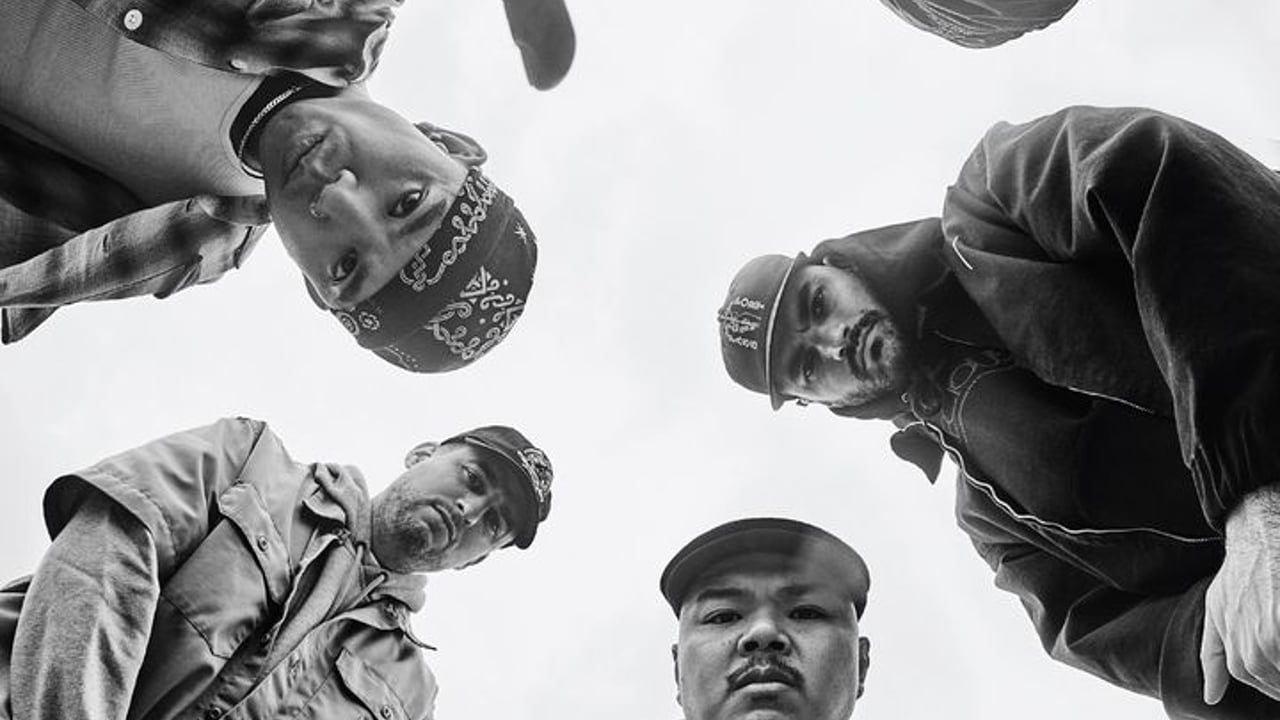 Speed
Speed'ONLY ONE MODE' OUT JULY 12: https://linktr.ee/onlyonemode
-
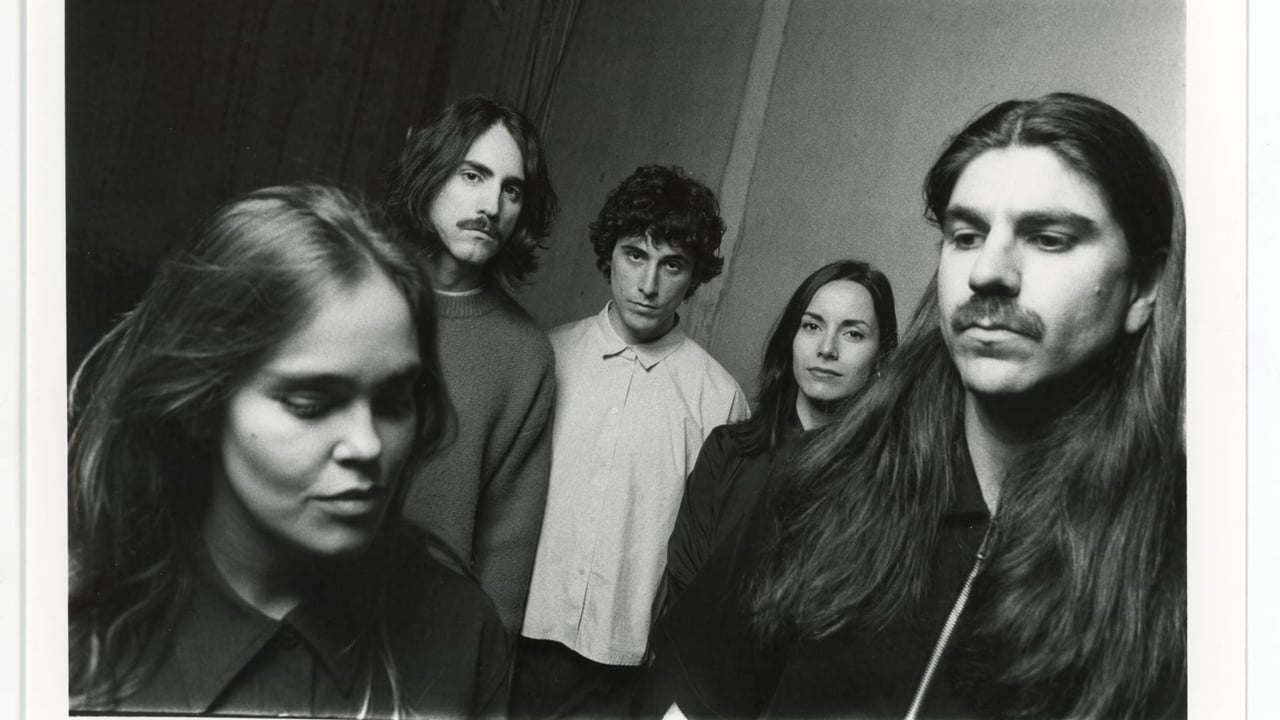 GazellaLike a matt, shimmering mosaic of influences, Gazella carefully blend timbre after timbre to create a completely unique style with a distinct pull. The musical foundation consists of longing dream pop that adorns itself with spatial reverbs but that never threatens to drown in them. Colourful sprinkles of indietronica and neo-psychedelia initially join in the party, as do the elfin vocals of singer Raquel Palomino, whose intonation covers an impressive spectrum. The songs are sealed with hypnotic shoegazing and a reflective look inwards that gave their debut, ‘Gazella’ (2023), that special depth known from bands of the 90s. But the quintet from Valencia, Spain, were able to do more than merely establish an unmistakable signature sound right from the start. Indeed, the journey to the stage has also been achieved with flying colours, as impressively demonstrated by shows at the Deleste Festival, the Atlantic Fest, and Monkey Week. Their second album, ‘Vías’ (2025), will be released by the tastemakers at Foehn Records, who have repeatedly demonstrated a knack for idiosyncratic projects over the last twenty years. There’s no doubt that Gazella will soon achieve cult status. And there’s even less doubt that their first appearance with us will result in a memorable evening. Truly not to be missed.