NN North Sea Jazz Festival | Zaterdag - Group Ticket
Rotterdam Ahoy | RTM Stage, Ahoyweg 10, 3084 BA Rotterdam Kort
lau. 11.07.2026 14:30
Flytjendur
-
 Bill Frisell
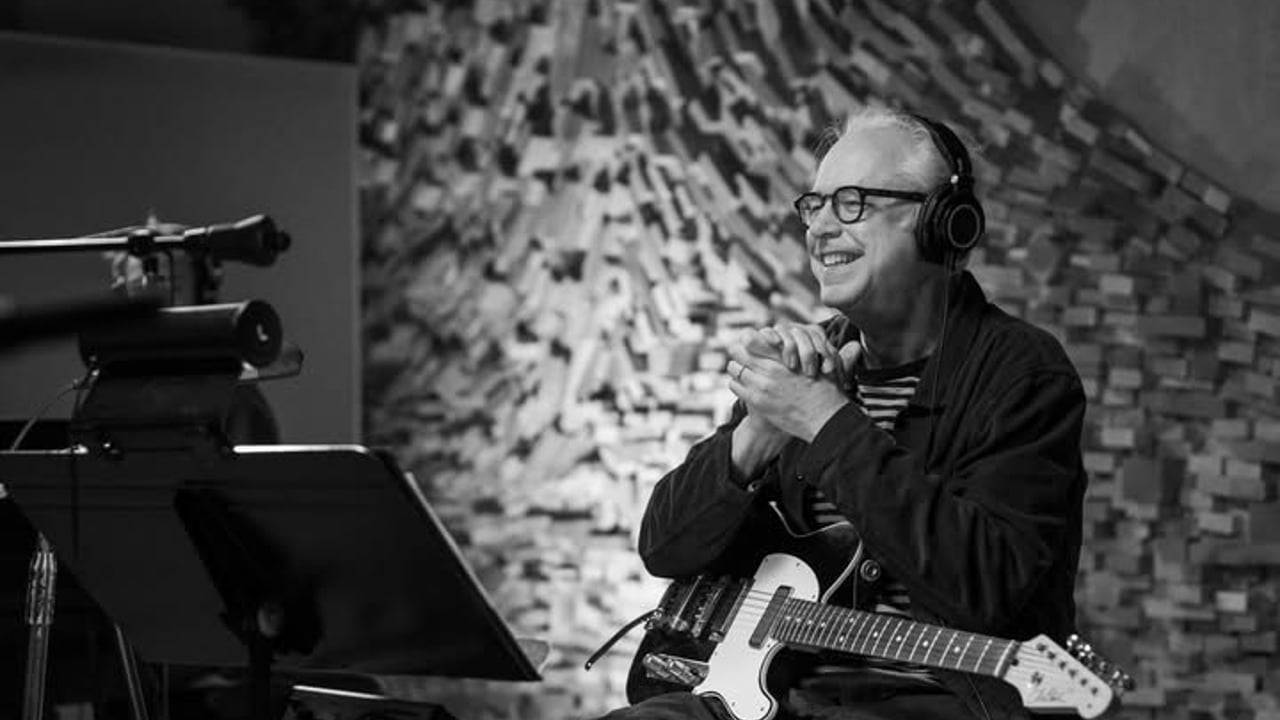
In a career spanning more than 25 years and over 200 recordings, including 25 albums of his own, guitarist, composer, and bandleader Bill Frisell is now firmly established as a visionary presence in American music. He has collaborated with a wide range of artists, filmmakers and legendary musicians. But it is his work as a leader that has garnered increasing attention and accolades. The New York Times described Frisell’s music this way. “It's hard to find a more fruitful meditation on American music than in the compositions of guitarist Bill Frisell. Mixing rock and country with jazz and blues, he's found what connects them: improvisation and a sense of play. Unlike other pastichists, who tend to duck passion, Mr. Frisell plays up the pleasure in the music and also takes on another often-avoided subject, tenderness."
Frisell’s recordings over the last decades span a wide range of musical influences. His catalog, including over twenty recordings for Nonesuch, has been cited by Downbeat as “the best recorded output of the decade.” It includes original Buster Keaton film scores to arrangements of music for extended ensemble with horns (This Land, Blues Dream); adaptations of his compositions originally written as sound-tracks to Gary Larson cartoons (Quartet); interpretations of work by other classic and contemporary American composers (Have a Little Faith) ; and collaborations with the acclaimed rhythm section of bassist Viktor Krauss and drummer Jim Keltner (Gone, Just Like a Train, Good Dog, Happy Man). Other releases include an album with Nashville musicians (Nashville), the solo album Ghost Town, an album of his arrangements of songs by Elvis Costello and Burt Bacharach (The Sweetest Punch), a trio album with jazz legends Dave Holland and Elvin Jones, and a collection of American traditional songs and original compositions inspired by them entitled The Willies. The Intercontinentals, nominated for a Grammy in 2004 is an album that combines Frisell’s own brand of American roots music and his unmistakable improvisational style with the influences of Brazilian, Greek, and Malian sounds. His 2004 release, entitled Unspeakable, produced by Hal Wilner, won a Grammy for Best Contemporary Jazz Album. East/West is a two CD set, featuring his two working trios recorded in concert on both coasts. Bill Frisell, Ron Carter, Paul Motian features two jazz legends that Bill considers among his true mentors and musical inspirations. His collaborative project Floratone (Blue Note) with drummer Matt Chamberlain and producers Lee Townsend & Tucker Martine, was described by All About Jazz as “a modern masterpiece.” History, Mystery was nominated for a Grammy award in Best Instrumental Jazz category, featuring an octet of strings, horns and rhythm section with some of his closest music collaborators exploring a fuller palette of compositional colors and timbres than any he has previously written for. “The whole album stands as yet another testament to the man's place at the very epicenter of modern American music." - BBC. The recent collection titled The Best of Bill Frisell, Vol 1: Folk Songs is the first in a series of compilations, this one drawn from Frisell's catalog spotlighting his idiosyncratic excursions into country and traditional folk. His latest album, “Disfarmer”, was inspired by the photographer Mike Disfarmer. It was described by the Houston Chronicle as follows: "Frisell's pacing is magnificent, and the album sweeps along with purpose like a gorgeous, spacious epic. It is full of sounds that suggest settings and characters, including the mysterious eccentric who inspired the recording."
Beginning in 2008, a trilogy of Frisell’s music DVD’s was released. First was Solos, shot in Toronto in high definition. Following in 2009, were the long awaited Films of Buster Keaton, Music By Bill Frisell featuring Frisell’s original trio, Kermit Driscoll on bass and Joey Baron on drums as well as Live From Montreal, shot at the Montreal Jazz Festival in 2002 and featuring Matt Chamberlain on drums, Billy Drewes on alto saxophone, Curtis Fowlkes on trombone, Ron Miles on cornet and Greg Leisz on steel guitars. It showcases the music of Frisell’s celebrated album, Blues Dream.
In 2006, Frisell was named a USA Rasmuson Fellow and became a recipient of a grant offered by United States Artists, a privately funded organization dedicated to the support of America's finest living artists.
-
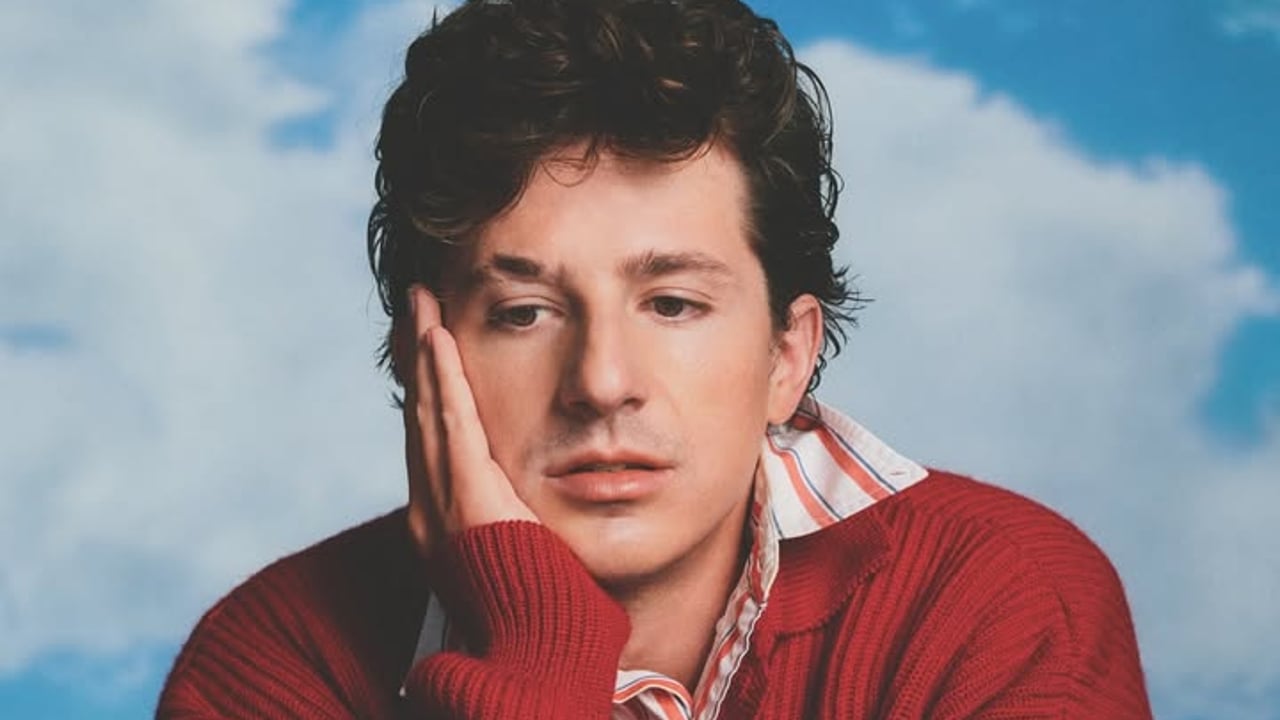 Charlie Puth
Charlie Puth (born December 2, 1991) is an American pop singer-songwriter and multi-instrumentalist best known for featuring in Wiz Khalifa’s international No. 1 single “See You Again”, hailing from Rumson, New Jersey, U.S.
-
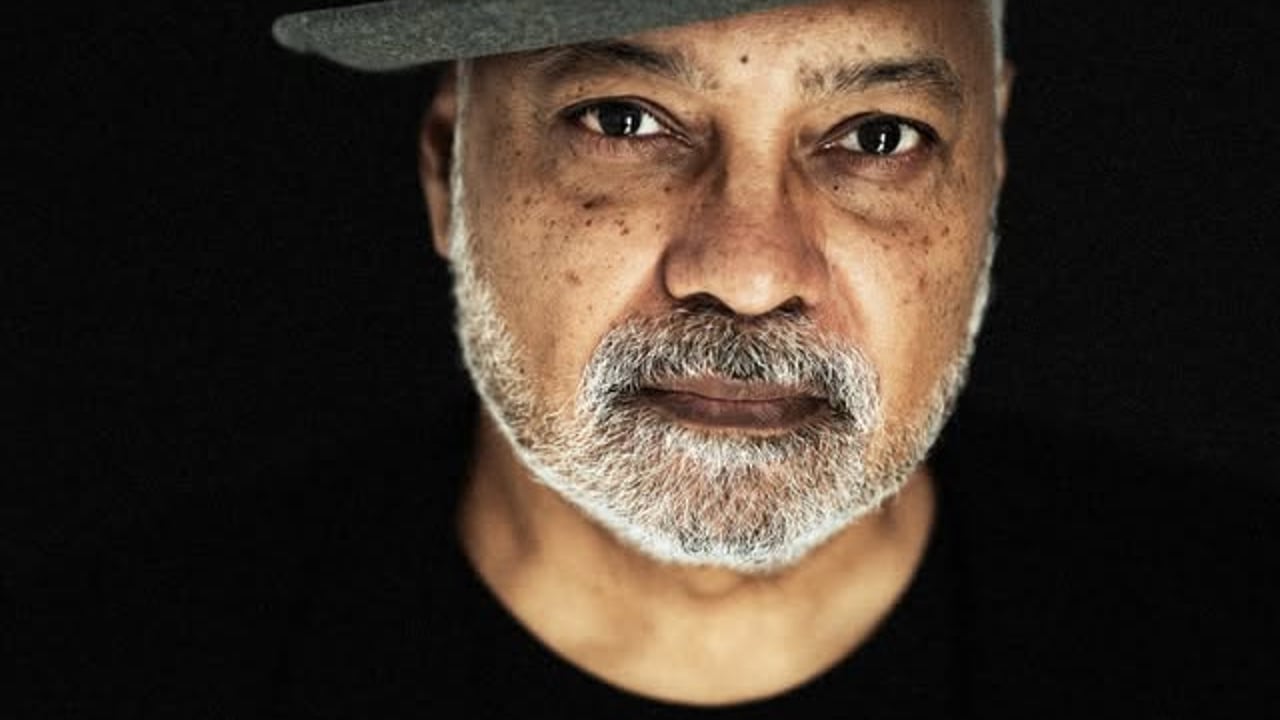 Incognito
Incognito is a jaxx/funk band from the United Kingdom which currently consists of Jean-Paul 'Bluey' Maunick and a large number of other musicians.
-
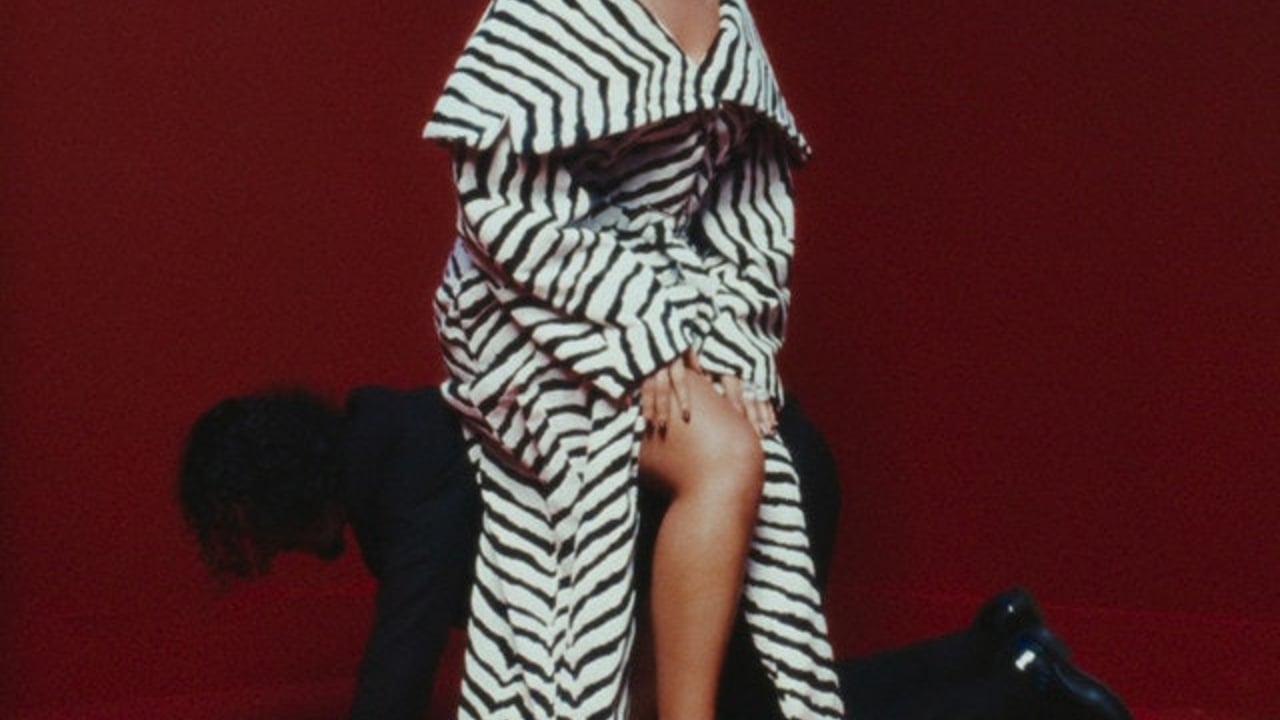 Joy Crookes
19 • South London • Artist • Songwriter
-
Kiefer
My new record ‘It’s Ok, B U’ is out now 🌹 EU/UK tour tickets 👇🏽
https://ffm.bio/kiefer
-
Marcus Miller
Marcus Miller is an American jazz composer, producer and multi-instrumentalist originally from Brooklyn who has worked with some of the music industries most celebrated artists.
-
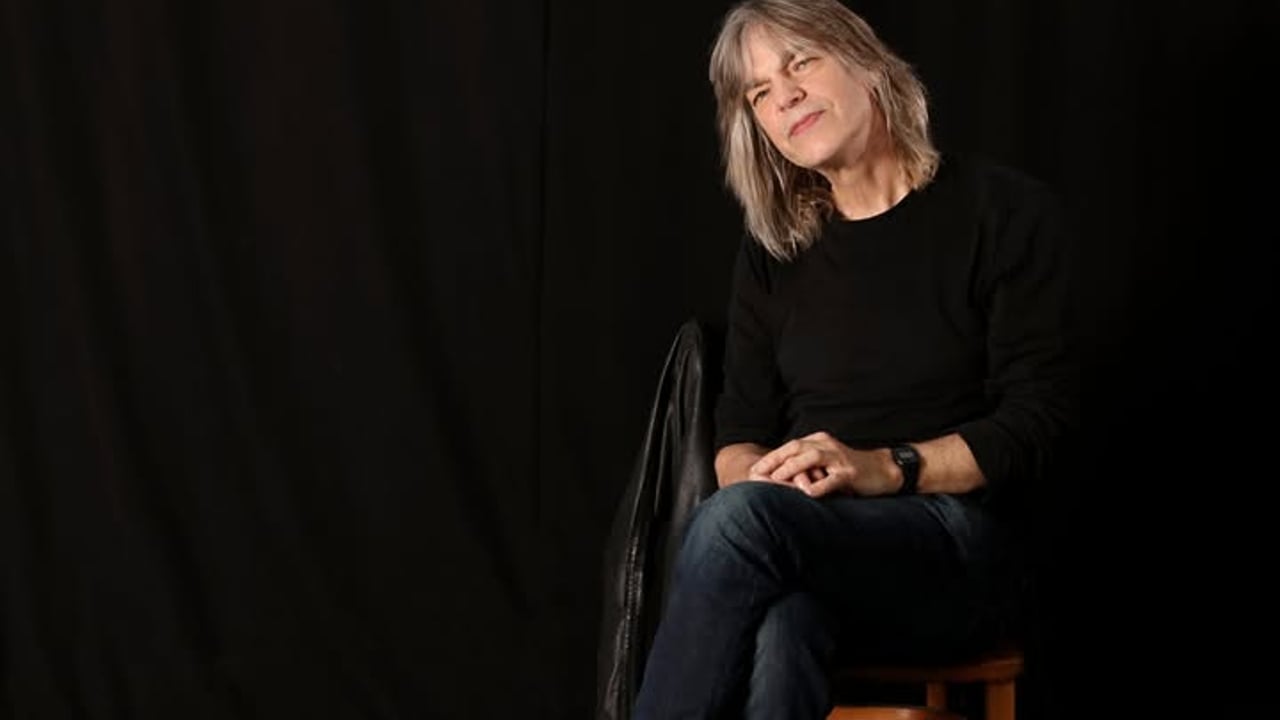 Mike Stern
One of the great jazz guitarists of his generation, Mike Stern has the unique ability to play with the finesse and lyricism of Jim Hall, the driving swing of Wes Montgomery and the turbulent, overdriven attack of Jimi Hendrix. Growing up in the Washington, D.C. area, Stern revered all three of those guitar immortals, along with such potent blues guitarists as Albert and B.B. King. Aspects of those seminal influences can be heard in his playing on the 18 recordings he has released as a leader or in his acclaimed sideman work for Miles Davis, Billy Cobham, the Brecker Brothers, Jaco Pastorius, Steps Ahead, David Sanborn, Blood, Sweat & Tears, Joe Henderson and the all-star Four Generations of Miles band.
Stern’s latest Concord Jazz release, Eleven, is an encounter with Grammy-winning keyboardist-composer-producer Jeff Lorber. Co-produced by bassist Jimmy Haslip, who had previously worked with the guitarist on the Yellowjacket’s 2008 album, Lifecycle, this lively collaboration finds Stern at the peak of his powers, following on the heels of 2017’s acclaimed Trip, his triumphant return to recording after a freak accident that threatened to end his career. The multiple Grammy-nominated guitarist was hailing a cab outside his apartment in Manhattan July 3, 2016 when he tripped over some hidden construction debris left in the street, fracturing both of his humerus bones (the long bones that run from the shoulder to the elbow) in the fall. Left with significant nerve damage in his right hand which prevented him from doing the simplest tasks, including holding a pick, Stern faced a series of surgeries and subsequent physical therapy before he could regain control of his nerve-damaged picking hand. And while Trip represented a strong comeback, the intrepid guitarist takes things up a notch on Eleven.
“When the idea was floated for this project, I asked a bunch of cats who worked with Jeff, like Randy Brecker, Dave Weckl and Bob Franceschini, and they all said, ‘He’s cool, he throws down, he can really get it going.’ And they’re right,” said Stern. “Jeff’s got a strong rhythmic groove and he comps really well on the Fender Rhodes, which is kind of his signature sound. And I feel like his music really comes more from soul music than smooth jazz. That Philly soul thing is definitely in some of his tunes on this record.”
Added Lorber of their first collaboration together, “Mike’s just a bebop wizard, he’s got an incredible jazz feeling. And by the same token, he’s got the rock and blues thing covered too. He’s on both sides of the musical spectrum. So when I heard he was up for it, I was delighted to have a chance to work with him in the studio on this project. And I think we really hit it off musically as well as personally.”
One of the top guitarists in jazz since his breakthrough days with Miles Davis' celebrated comeback band of the early 1980s, Stern has earned the respect of colleagues and critics alike while also exerting a towering influence on a generation of aspiring players. A guitarist of formidable technique, he continues to awe and inspire six-string aficionados with his seamless blend of bebop facility, scorching rock intensity and uncommon lyricism. As Jon Chappell of Guitar magazine noted, “Stern is not only a magician of the fretboard but a heartfelt and mature composer of great depth.” By combining the legato approach of jazz saxophone greats like John Coltrane, Sonny Rollins and Joe Henderson with a few touches from the rock camp (i.e., distortion and delay pedals along with some urgent string bending, courtesy of his boyhood blues heroes B.B. King and Buddy Guy), Stern has successfully fashioned a singular voice that comfortably occupies both rock and jazz worlds.
Born on January 10, 1953, he began playing guitar at age 12, emulating the likes of B.B. King, Eric Clapton and Jimi Hendrix. “I liked the feel of the guitar and I got hooked on it,” he recalled in an interview. “But I didn't really get serious about it until I went to Berklee in 1971.” At the Berklee College of Music in Boston his focus shifted to jazz as he began an intensive period of woodshedding, immersing himself in records by Miles Davis, John Coltrane, McCoy Tyner and Bill Evans while studying with guitarists Mick Goodrick and Pat Metheny. During his stint at Berklee, he developed a keen appreciation for jazz guitar greats Wes Montgomery and Jim Hall, both of whom would exert a huge influence on his own playing. On a recommendation from Metheny, Stern landed a gig with Blood, Sweat & Tears in 1976 and remained with the band for two years, appearing on the BS&T albums More Than Ever and Brand New Day. That gig is also significant for introducing the guitarist to two musicians who would later figure prominently in his life — percussionist Don Alias and bassist Jaco Pastorius.
Following his stint with BS&T, Stern returned to Boston and began studying privately with local jazz guru Charlie Banacos. In 1979, he joined Billy Cobham's powerhouse fusion band and two years later he joined Miles Davis' group, making his public debut with the band on June 27, 1981 at the Kix nightclub in Boston (a performance that was documented on the CBS live album, We Want Miles). Stern remained with Miles through 1983, also appearing on Man With The Horn and Star People). From 1983 to 1984, he toured in Jaco Pastorius' Word Of Mouth band and in 1985 returned to Miles for a second tour of duty that lasted close to a year.
In 1985, Stern made his recording debut as a leader with Neesh on the Japanese Trio label. A year later, he made his Stateside debut as a leader on Atlantic Records with Upside Downside, which featured such celebrated colleagues as alto saxophonist David Sanborn, tenor saxophonist Bob Berg, bassists Mark Egan, Jeff Andrews and Jaco Pastorius, keyboardist Mitch Forman and drummers Dave Weckl and Steve Jordan. In the summer of 1986, Stern took to the road with David Sanborn and later joined an electrified edition of Steps Ahead, which featured Mike Mainieri on midi vibes, Michael Brecker on the Electronic Wind Instrument (EWI), Darryl Jones on electric bass and Steve Smith on drums. That powerhouse fusion outfit was documented on Live in Tokyo 1986. Over the next two years, Stern was a member of Michael Brecker’s potent quintet, appearing on the tenor titan’s 1988 album, Don’t Try This At Home.
Stern's second Atlantic album, 1988's Time In Place, continued the promise of his debut and featured Peter Erskine on drums, Jim Beard on keyboards, Jeff Andrews on bass, Don Alias on percussion and Don Grolnick on organ. He followed that success with 1989's Jigsaw, which was produced by fellow guitarist Steve Khan. Following the release of 1991’s Odds or Evens, Stern joined a reunited Brecker Brothers Band in 1992 and became a key factor in the success of that popular group for the next two years. His decidedly jazzy 1993 Atlantic release, Standards (And Other Songs), led to Stern being named Best Jazz Guitarist Of The Year by the readers and critics of Guitar Playermagazine. He followed that success with two hard-hitting offerings in 1994's Is What It Is and 1996's Between The Lines, both of which received Grammy nominations.
In 1997, Stern returned to a jazzier aesthetic with Give And Take, a looser, more spontaneous session featuring bassist John Patitucci, drummer Jack DeJohnette, percussionist Don Alias and special guests Michael Brecker and David Sanbom. On the strength of that superbly swinging effort, which included freewheeling covers of Sonny Rollins' “Oleo,” John Coltrane's “Giant Steps” and Cole Porter's “I Love You,” along with a scintillating trio rendition of Jimi Hendrix's “Who Knows,” he was awarded the Orville W. Gibson Award for Best Jazz Guitarist.
Stern’s ninth release on Atlantic, 1999’s Play, was a six-string summit meeting with fellow guitarists John Scofield and Bill Frisell. He followed with 2001’s Voices, his first album to employ singers (Arto Tuncboyaciyan, Elizabeth Kantomanou, Richard Bona) and 2004’s These Times, which featured guest turns from banjo ace Bela Fleck and alto saxophonist Kenny Garrett. 2006’s Who Let The Cats Out? featured a bevy of bassists in Meshell Ndegeocello, Anthony Jackson, Richard Bona and Victor Wooten along with drummers Kim Thompson and Dave Weckl and harmonica ace Gregoire Maret and the late, great trumpeter Roy Hargrove.
At the Festival International de Jazz de Montréal in June 2007, Stern was honored with the Miles Davis Award, which was created to recognize internationally acclaimed jazz artists whose body of work has contributed significantly to the renewal of the genre. Stern was also the artist in residence at the festival that summer of 2007, joining the renowned Yellowjackets for some electrifying live performances. Their kinetic chemistry was later documented on the 2008 studio collaboration Lifecycle, which was nominated for a Grammy for Best Contemporary Jazz Album.
The following year saw the release of his Grammy-nominated Big Neighborhood, which found Stern with guitar heroes Eric Johnson and Steve Vai, trumpeter Randy Brecker and jamband godfathers Medeski, Martin & Wood on a few tracks.
Stern was presented with Guitar Player magazine’s Certified Legend Award on January 21, 2012. In June of that year, he released All Over the Place, which featured a delegation of high-caliber electric and acoustic bass players, including Esperanza Spalding, Richard Bona, Victor Wooten, Anthony Jackson, Dave Holland, Tom Kennedy, Will Lee and Victor Bailey. On 2014’s Eclectic, Stern went toe-to-toe with Texas guitar slinger Eric Johnson, cutting a wide stylistic swath on eleven originals while showcasing their mutual love of Jimi Hendrix on a cover of his slow blues classic, “Red House.” Recorded in three days at Johnson’s studio in Austin, Electric was hailed as “a dazzling outing from two formidable, well-matched guitar heroes” by Jazz Times magazine.
The guitar great continued to play with peerless authority while flaunting prodigious chops on 2017’s Trip and now exhibits that same impressive six-string prowess on Eleven.
-
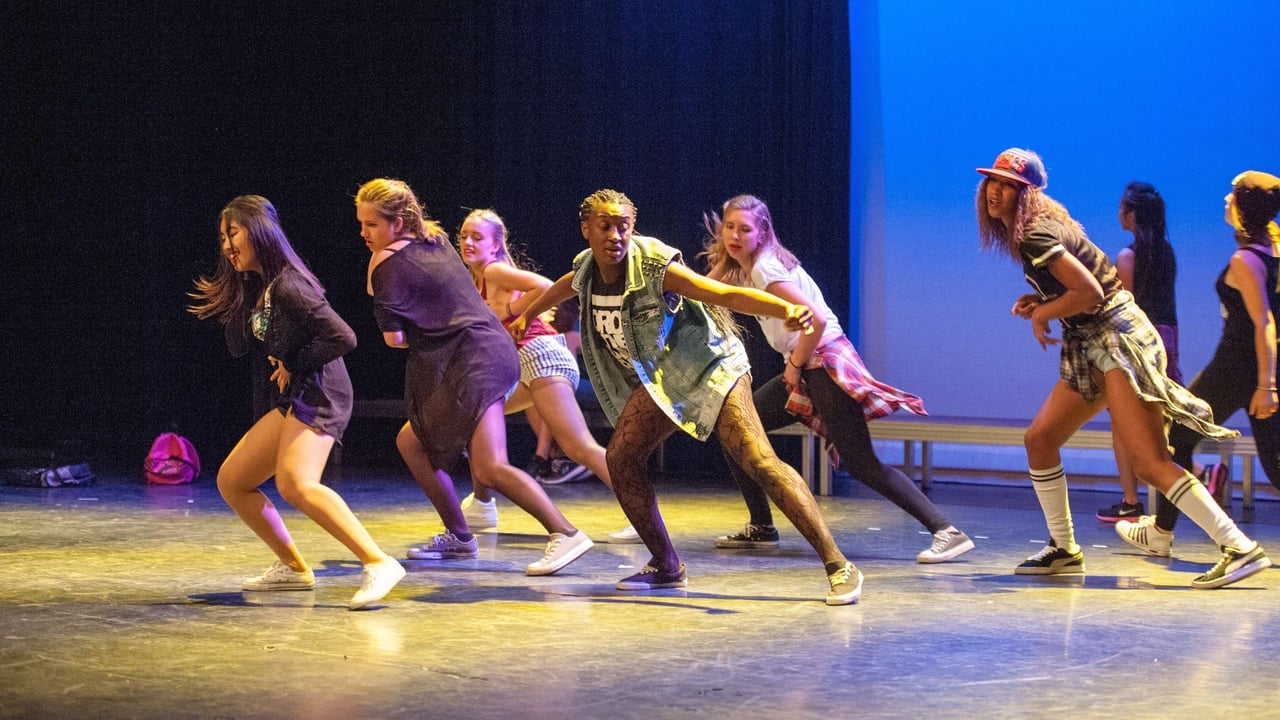 Bill Evans
“WHO DOES MILES DAVIS, GREGG ALLMAN, WILLIE NELSON, HERBIE HANCOCK, WARREN HAYNES AND DEREK TRUCKS ALL HAVE IN COMMON? BILL EVANS, THAT’S WHO.”
Deeply intrigued and ultimately inspired by American roots music, saxophone legend Bill Evans wrote, produced and recorded “Soulgrass” in 2005, garnering a Grammy nod in the process. Soulgrass was a breakaway new fusion of jam, rock, funk, roots and jazz, blending the banjo, fiddle, mandolin and dobro, combining the best musicians from Jazz and Americana. Three more CD’s followed in the Soulgrass genre, “The Other Side of Something”, “Dragonfly”, and the 2014 release of “Live in Moscow” recorded during the first of two sold out U.S. State Dept sponsored tours of Russia. Each subsequent release found Bill pushing the musical boundaries of Jazz and Improvisational rock. “Combining banjo and fiddle with rock guitar became very natural for me in my live band and recordings. With the addition of vocals, we were reaching a much larger audience of all ages.”
After 10 years of touring and breaking new ground with Soulgrass, in 2015 Bill introduced the “Bill Evans Band”, a hard hitting montage of Jazz, Rock, instrumental and vocals. Evans and drummer Josh Dion are both featured as the new groups lead singers. The “Bill Evans Band” features Saxophone/vocals, Guitar/vocals, bass and drums/vocals with a seamless blend of Jazz, rock and groove. “People really relate to this band. We’re not afraid to play anything. The Bill Evans Band takes people on a musical journey with jazz, funk, and rock and roll. For me, that’s the definition of jazz – Improvisation and Exploration that people can still relate to!”
“RISE ABOVE” is Bill’s latest and most accessible release to date (2016). On this, his 24th solo offering, Evans explores rich and haunting vocals from special guest singers, including legend Gregg Allman, Warren Haynes, JJ Grey, Anders Osborne, Murali Coryell, and Josh Dion. Says Bill, “This recording has been an epic journey. My vision from the beginning was to record with some of my favorite singers, and work on a different song with each one of them. The goal was to still make a cohesive and solid performance out of all this music. It went far beyond my expectations. Sheer pleasure start to finish!”
“RISE ABOVE” is tied together with Evans’ pedigree and love of soulful melodies and hard-hitting grooves, as it has been from the very beginning. In addition to his powerhouse guest vocalists, this recording also features: Jake Cinninger (Umphrey’s McGee) and Mike Stern on guitar, as well as a who’s who among Jazz and Jam Band musicians.
Evans is a world-class saxophonist and producer who made his debut on the international music scene in the 1980s originally with Miles Davis, (at the age of 21 years old and recorded 6 records with Davis) which led to playing with the likes of John McLaughlin, Herbie Hancock, Mick Jagger and Willie Nelson to name a few. With 24 solo albums, Grammy nods, and countless collaborations and tours, Evans has continued to explore a dazzling variety of adventurous musical settings as a pioneering bandleader, consistently winning fans in the worldwide arena. RECENT HIGHLIGHTS include touring and/or performing with his own Bill Evans Band as well as Warren Haynes, Robben Ford (Soulgrass meets Blues), Phil Lesh & Friends, The Stern/Evans Band, Medeski Martin & Wood, and countless sit-ins with The Allman Brothers Band, Umphrey’s Mcgee, Moe, Blues Traveler, Galactic and more. Evans will be spending much of his time touring with the Bill Evans Band in support of his new album “Rise Above”.
-
Brett Williams
Music was always my driving force growing up. I got my first guitar at 11 and taught myself how to play; joined a band and started playing out at 15. I grew up in Virginia Beach and transitioned to New York at 23 to further my musical passion. My sound reflects the life I've led thus far as well as my quest for the fundamental truth in this world. I have been writing and playing out as much as possible, meeting great people along the way. I hope listening to my music will make you want to think, explore yourself and everything around you; make you happy and maybe sometimes sad. As long as you're feeling it. Guitarist/Singer/Songwriter Classical To Alternative Rock Free Your Mind Follow Your Heart
-
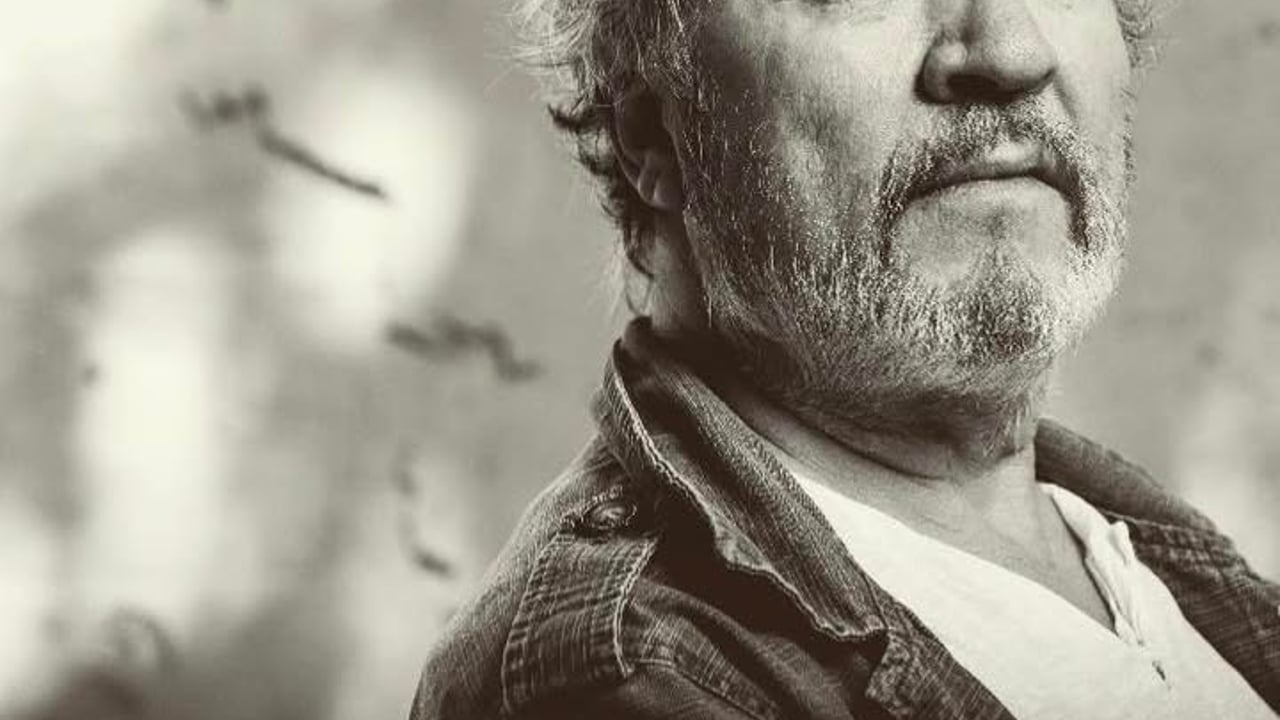 Nils Petter Molvaer
Dette er den eneste offisielle Facebook-siden til Nils Petter Molvær
-
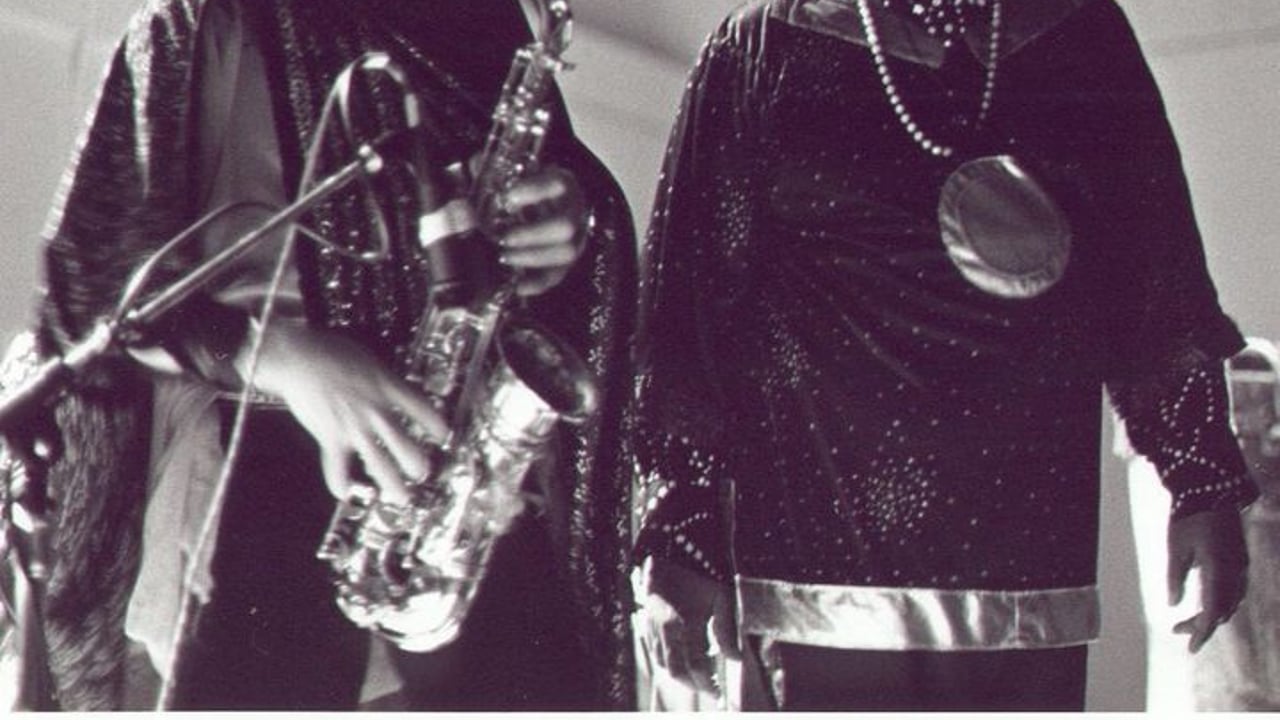
Sun Ra Arkestra
Space Is The Place
We Travel The Space Ways
Saturn
-
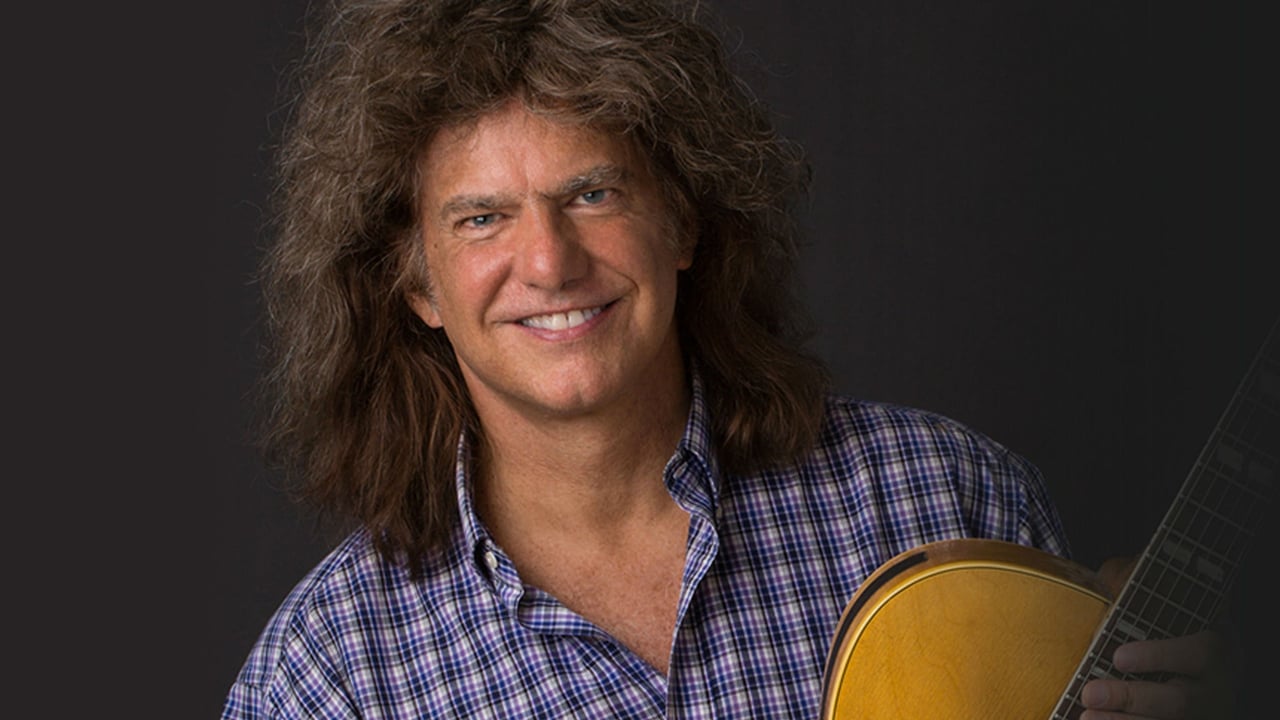 Pat Metheny
PAT METHENY was born in Lee’s Summit, MO on August 12, 1954 into a musical family. Starting on trumpet at the age of 8, Metheny switched to guitar at age 12. By the age of 15, he was working regularly with the best jazz musicians in Kansas City, receiving valuable on-the bandstand experience at an unusually young age. Metheny first burst onto the international jazz scene in 1974. Over the course of his three-year stint with vibraphone great Gary Burton, the young Missouri native already displayed his soon-to-become trademarked playing style, which blended the loose and flexible articulation customarily reserved for horn players with an advanced rhythmic and harmonic sensibility -a way of playing and improvising that was modern in conception but grounded deeply in the jazz tradition of melody, swing, and the blues. With the release of his first album, Bright Size Life (1975), he reinvented the traditional “jazz guitar” sound for a new generation of players. Throughout his career, Pat Metheny has continued to redefine the genre by utilizing new technology and constantly working to evolve the improvisational and sonic potential of his instrument.
Metheny’s versatility is nearly without peer on any instrument. Over the years, he has performed with artists as diverse as Steve Reich to Ornette Coleman to Herbie Hancock to Jim Hall to Milton Nascimento to David Bowie. Metheny’s body of work includes compositions for solo guitar, small ensembles, electric and acoustic instruments, large orchestras, and ballet pieces and even the robotic instruments of his Orchestrion project, while always sidestepping the limits of any one genre.
As well as being an accomplished musician, Metheny has also participated in the academic arena as a music educator. At 18, he was the youngest teacher ever at the University of Miami. At 19, he became the youngest teacher ever at the Berklee College of Music, where he also received an honorary doctorate more than twenty years later (1996). He has also taught music workshops all over the world, from the Dutch Royal Conservatory to the Thelonius Monk Institute of Jazz to clinics in Asia and South America. He has also been a true musical pioneer in the realm of electronic music, and was one of the very first jazz musicians to treat the synthesizer as a serious musical instrument. Years before the invention of MIDI technology, Metheny was using the Synclavier as a composing tool. He also has been instrumental in the development of several new kinds of guitars such as the soprano acoustic guitar, the 42-string Pikasso guitar, Ibanez’s PM series jazz guitars, and a variety of other custom instruments.
It is one thing to attain popularity as a musician, but it is another to receive the kind of acclaim Metheny has garnered from critics and peers. Over the years, Metheny has won countless polls as “Best Jazz Guitarist” and awards, including three gold records for (Still Life) Talking, Letter from Home, and Secret Story. He has also won 20 Grammy Awards spread out over a variety of different categories including Best Rock Instrumental, Best Contemporary Jazz Recording, Best Jazz Instrumental Solo, Best Instrumental Composition at one point winning seven consecutive Grammies for seven consecutive albums. In 2015 he was inducted into the Downbeat Hall of Fame, becoming only the fourth guitarist to be included (along with Django Reinhardt, Charlie Chrisitan and Wes Montgomery) and it’s youngest member. Metheny has spent much of his life on tour, often doing more than 100 shows a year since becoming a bandleader in the 70’s. At the time of this writing, he continues to be one of the brightest stars of the jazz community, dedicating time to both his own projects and those of emerging artists and established veterans alike, helping them to reach their audience as well as realizing their own artistic visions.
-
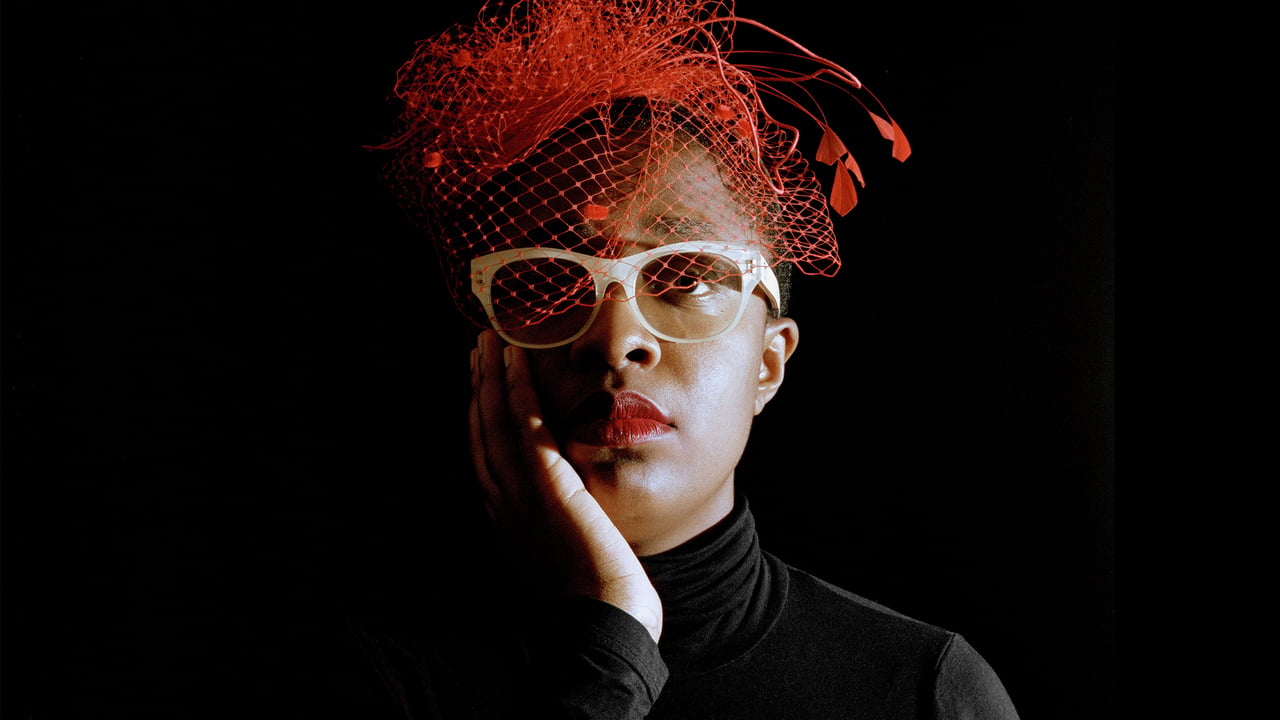
Cecile McLorin Salvant
Eftirsóttasta jazzsöngkona heims, þrefaldur Grammy-verðlaunahafi.
-
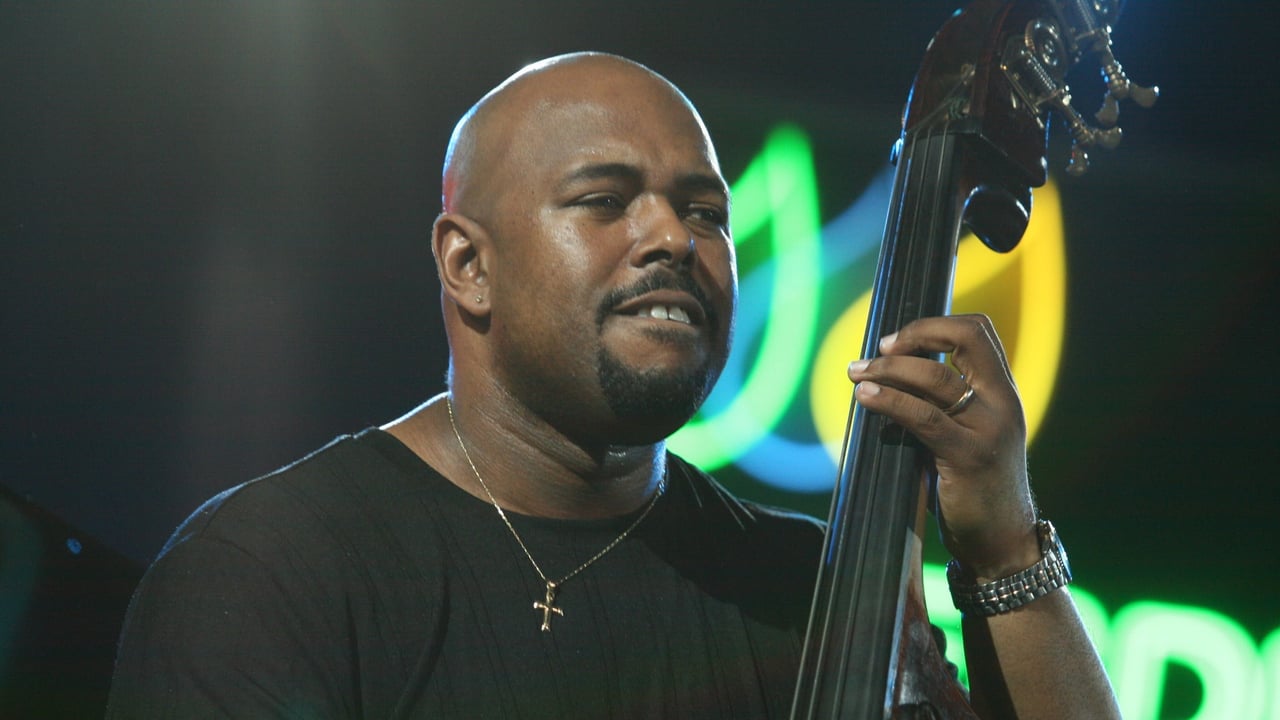 Christian McBride
Christian McBride (born May 31, 1972, Philadelphia, Pennsylvania) is a jazz bassist. His father, Lee Smith, is a well known Philadelphia bassist who was McBride's mentor. In the jazz community, McBride is widely considered one of the best bassists of his generation. McBride has performed and recorded with a huge number of jazz legends, including Joe Henderson, Freddie Hubbard, Herbie Hancock, Roy Haynes and Chick Corea, as well as with newer musicians like Joshua Redman, Nicholas Payton, Benny Green and Sting. McBride is known for his equal facility at playing pizzicato and with the bow. McBride primarily plays upright bass, but is also adept on the electric bass.
-
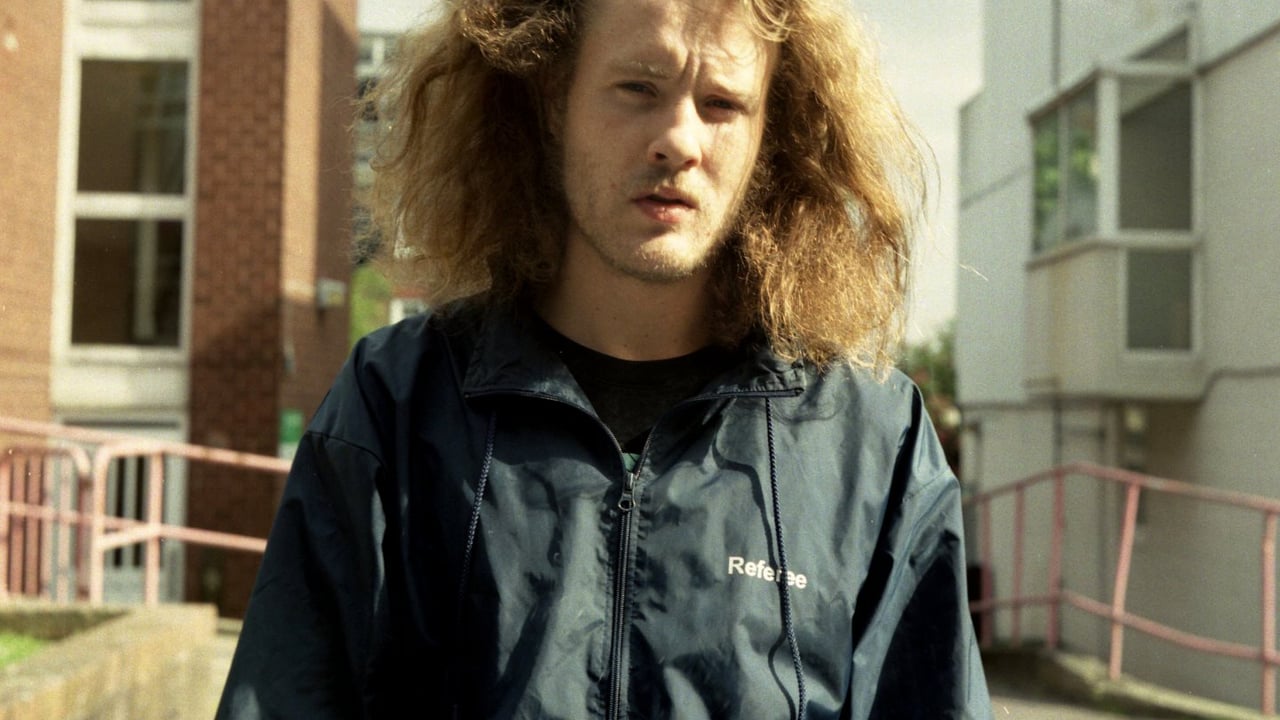 Joe Armon-Jones
Influential London keys player and producer laying down foundations of bass-heavy dub, hip-hop, funk/soul and jazz.
-
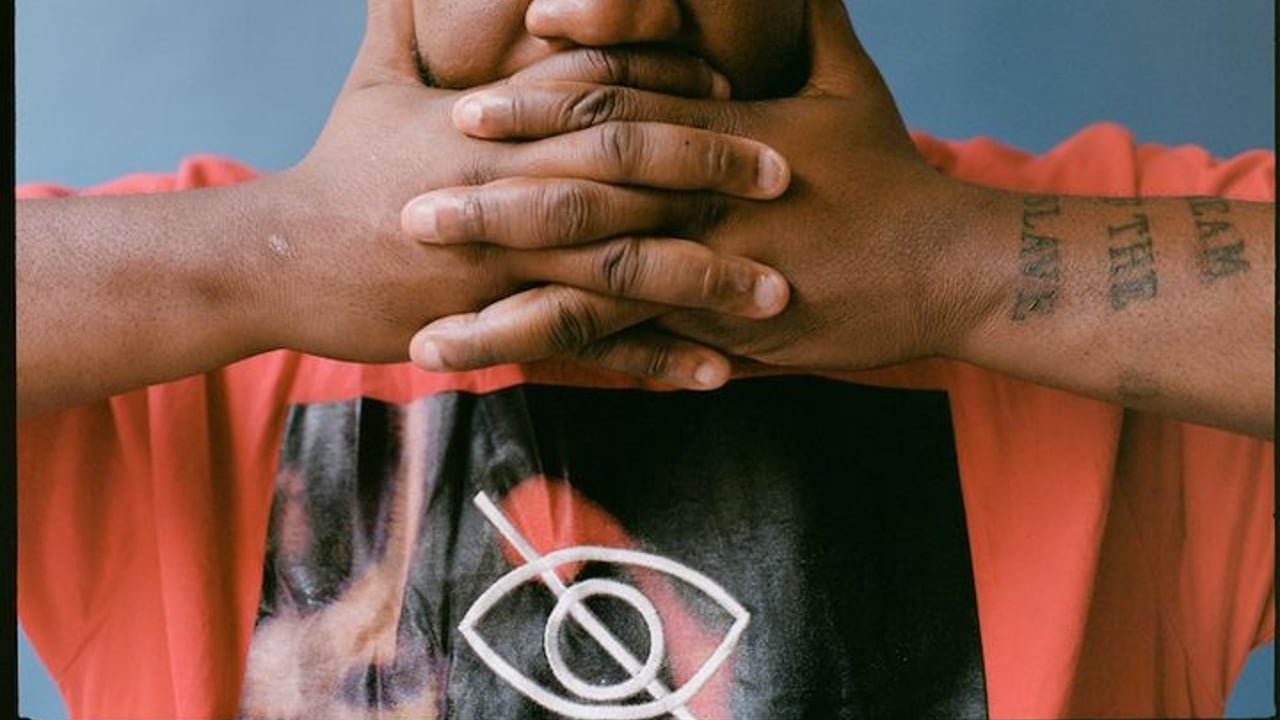 Robert Glasper
Robert Glasper is the leader of a new sonic paradigm with a career that bridges musical and artistic genres. To date, he boasts 5 Grammy wins and 12 nominations across 11 categories, an Emmy Award for his song for Ava Duvernay’s critically hailed documentary “13th” with Common and Karriem Riggins, and a Peabody Award for his Composition of “Mr. Soul!”. His work and accolades bridge all aspects of the music business, from live touring to film scoring, composing and producing.
Evolution is his hallmark. Glasper’s breakout crossover album Black Radio changed the face of the genre and set a new expectation for what popular music could be. The album won him the Grammy for best R&B album and established him as the musician of choice for some of the world’s most iconic artists; notably playing keys throughout Kendrick Lamar's To Pimp A Butterfly, winning another Grammy for the elastic track “These Walls”. The ongoing Black Radio series has since become Glasper’s calling card, upholding a place at the heart of a trailblazing community: from long-time sonic brothers Mos Def and Bilal, to legends including Ledisi, Lupe Fiasco, Kanye West, Jill
Scott, and Erykah Badu.
Glasper’s eternal pursuit to further his sound has been consistent in challenging and transforming his creative horizons across the board. Whether producing a remix album with Kaytranda or as a bandleader, Robert consistently defies the limits of the genre. This is evident in a portfolio that ranges from his acoustic jazz trio; which simultaneously defies and elevates the traditional idiom by uniting it effortlessly with electronics from visionary DJ Jahi Sundance, to August Greene; a collaboration with Common + Karriem Riggins, to R+R=Now; a supergroup at the crossroads of hip-hop and Jazz.
In the last year alone, Glasper has seen a staggering diversity of success. He released Black Radio III and Black Radio III Supreme Edition on Loma Vista Records; with features ranging from Jennifer Hudson, Killer Mike, and the late Mac Miller. On screen he created the original score for Run The World Season 2 and The Best Man television series. In July 2022 he was the Co-Founder and Artistic Director of the first Blue Note Napa Valley Jazz Festival, which brought to the stage a plethora of iconic artists; from Chaka Khan to Maxwell and Glasper’s Dinner Party project featuring Snoop Dogg. October 2022 sees him back in New York for his now-legendary month-long residency at the Blue Note NYC, with the usual array of star-studded appearances from the likes of Dave Chappelle, Chris Rock, Questlove, Alex Isley and Miguel joining him both on and off stage.
With boundless innovation and elite technique as his signature it’s no surprise that Glasper has an avalanche of accolades, awards, and achievements to his name - most recently being asked to play at the 2020 March On Washington with Derrick Hodge and funk legend, Sir George Clinton. In August of 2020, Robert released ‘Better Than Imagined’ which won the Grammy for Best R&B song in 2021; the first taste of his Black Radio 3 album. Featuring H.E.R and Meshell Ndegeocello, the song advocates for Black love and the power, and responsibility, we have to improve our world; again demonstrating that, above all, Glasper is an artist at the heart of a moment - and a movement - to champion Black music, Black people, and the possibility of a better future. The hip-hop-head-nod ballad is a dedication to just that: the beauty and
brilliance of a heritage that is as much Kendrick as it is Coltrane, and which seeks to empower and uplift with every offering. Glasper later went on to win the Grammy for Best R&B Album for Black Radio 3 in 2023
In his own words:
“Black lives matter and so does black love; no one wants a life without love, but we have generations of people in our community who haven’t had the tools to actually be in healthy relationships. It seems like people are finally ready to open their eyes to systemic racism in this country, and if we’re going to talk about it, we have to also talk about how it affects our relationships — how we communicate, how we see ourselves, how we treat each other. It’s not always good, even though maybe it could be.” -Robert Glasper
-
Thundercat
Gestur í 80s eða 90s dressi