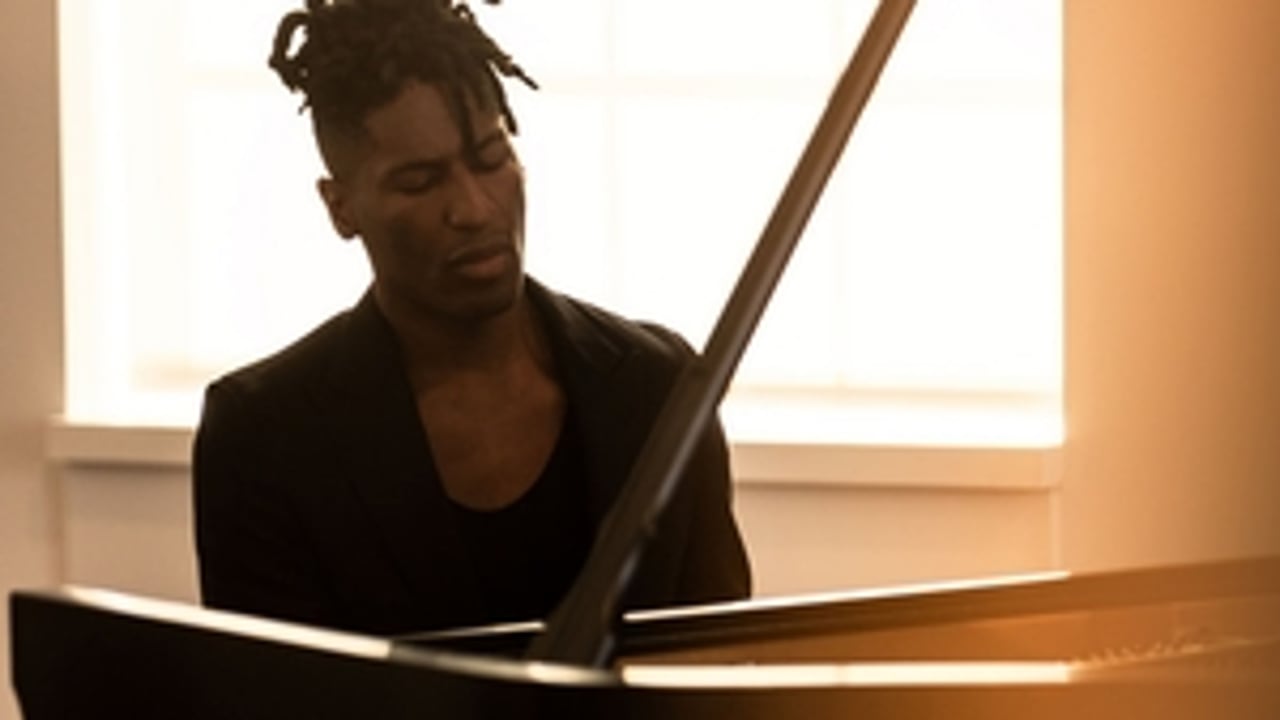
Jon Batiste
Ahoy Rotterdam, Ahoyweg 10, 3084 BA Rotterdam Kort
fös. 10.07.2026 14:30
Jon Batiste at Rotterdam Ahoy 2026-07-10T14:30:00
Flytjendur
-
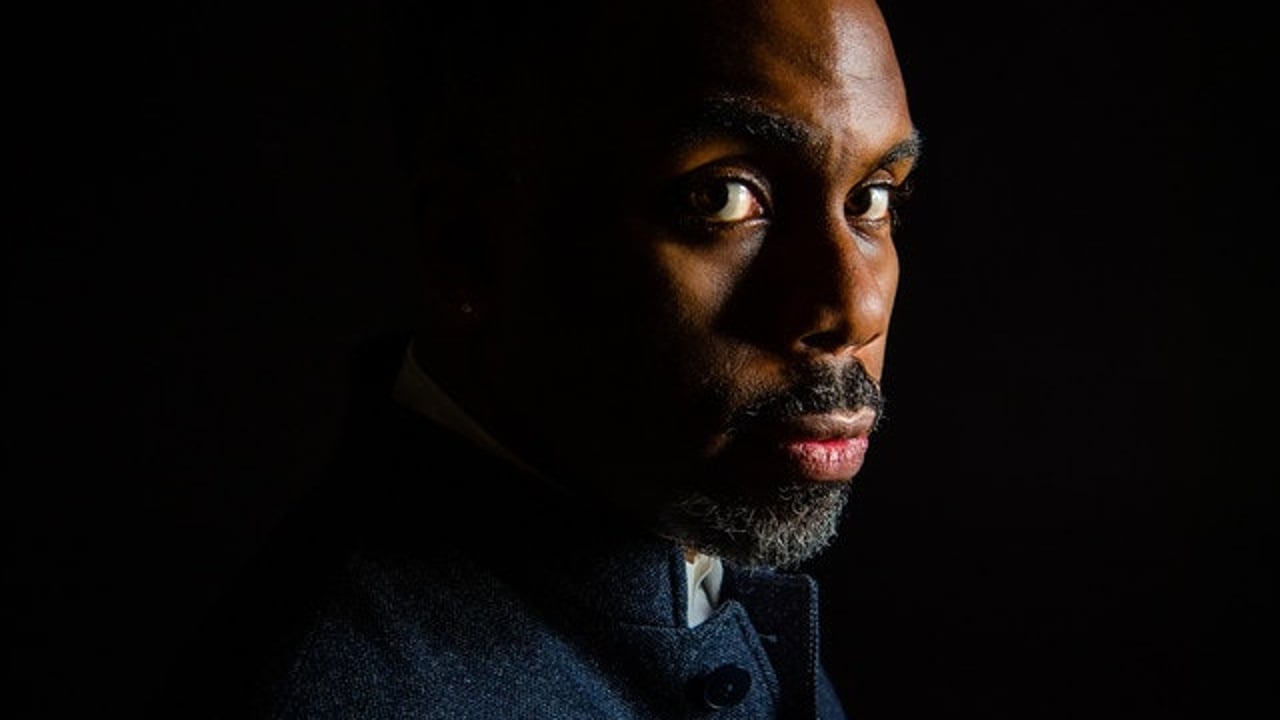
Jon Batiste
Jon Batiste is one of history’s most brilliant, prolific, and accomplished musicians. Batiste
studied and received both a B.A. and M.F.A. at the world-renowned Juilliard School in New York
City. From 2015 until 2022, Batiste served as the bandleader and musical director of The Late
Show with Stephen Colbert on CBS. Most recently, Jon was awarded a Sports Emmy in the
category of “Outstanding Open/Tease” for his 2022 NCAA March Madness piece. In 2018, he
received a Grammy nomination for Best American Roots, and in 2020, he received two Grammy
nods for the albums: CHRONOLOGY OF A DREAM: LIVE AT THE VILLAGE VANGUARD and
MEDITATIONS (with Cory Wong). In 2020, he won an Academy Award for Best Original Score for
the Disney/Pixar film SOUL, an honor he shared with fellow composers Trent Reznor and Atticus
Ross. Jon’s work on SOUL also earned him a Golden Globe, a BAFTA, a NAACP Image Award and
a Critic’s Choice Award. He is the second black composer in history, after legendary jazz
musician Herbie Hancock, to win an Academy Award for composition. Batiste’s latest studio
album, WE ARE, was released in March 2021 to overwhelming critical acclaim. Subsequently, he
was nominated for eleven Grammys across seven different categories, a first in Grammy
history. He went on to win five of those Grammys, including Album of the Year.
-
 John Legend
Multiplatinum artist and activist John Legend made history as the first African American man to join the prestigious EGOT club. Legend has released nine celebrated albums including, Get Lifted (2004), Once Again (2006), Evolver (2008), Love In The Future (Expanded Edition) (2013), DARKNESS AND LIGHT (2016), A Legendary Christmas (2018), and Bigger Love (2020). The 12-time Grammy Award-winner released his eighth studio album, LEGEND, in September 2022 and just wrapped his critically acclaimed Las Vegas residency entitled “Love In Las Vegas,” which began in April 2022 at the Zappos Theater at Planet Hollywood Resort & Casino. In February 2023, he released LEGEND (Solo Piano Version), a collection of solo piano rendition of songs from his double album LEGEND.
Legend is a judge on the Emmy-nominated show, The Voice, and a principal in Get Lifted Film Co. As an activist, Legend initiated the #FREEAMERICA campaign in 2015 and most recently founded the initiative HUMANLEVEL, which is igniting systematic change and building racial equity across American cities and communities.
-
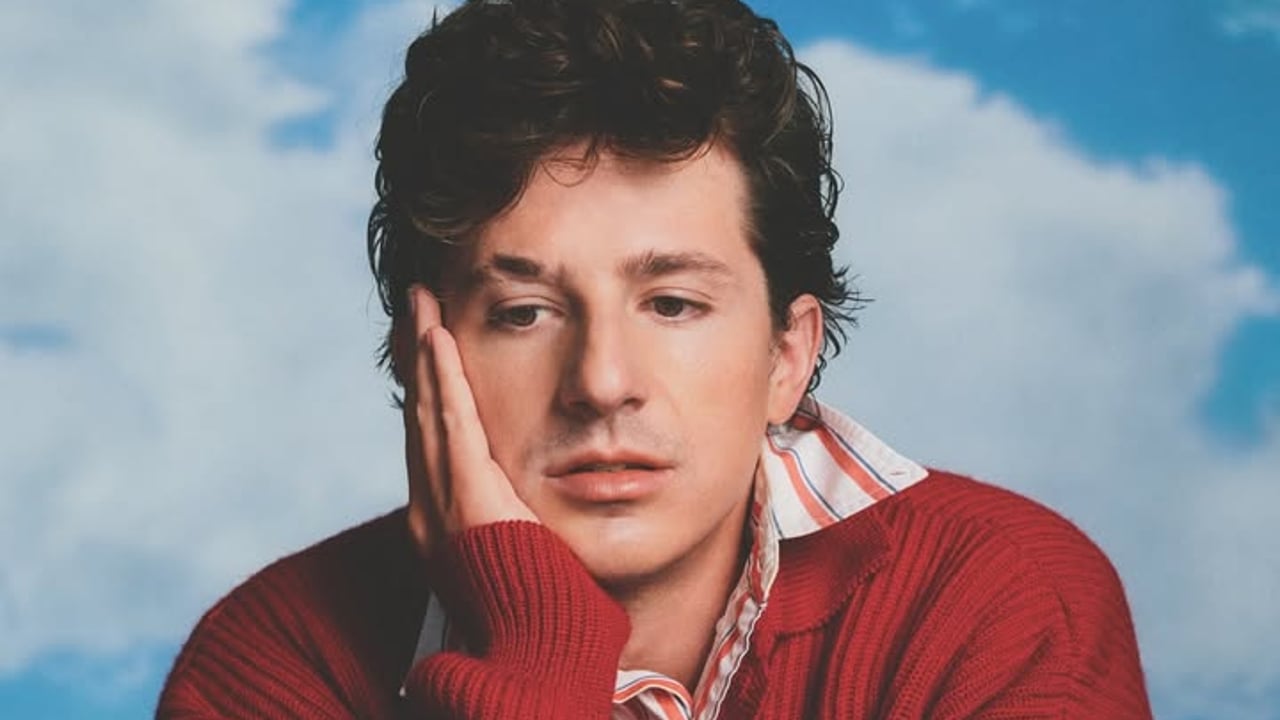 Charlie Puth
Charlie Puth (born December 2, 1991) is an American pop singer-songwriter and multi-instrumentalist best known for featuring in Wiz Khalifa’s international No. 1 single “See You Again”, hailing from Rumson, New Jersey, U.S.
-
The Roots Festival
The Roots, also known as The Legendary Roots Crew, The Square Roots and The Foundation, are an influential, Grammy winning hip hop group based out of Philadelphia, Pennsylvania, famed for a heavily jazzy sound and live instrumentation. Inspired by the "hip-hop band" concept pioneered by Stetsasonic, the Roots themselves have garnered critical acclaim and influenced later hip-hop and R&B acts. The Roots' original lineup included Black Thought (MC vocals) and Ahmir "?uestlove" Thompson (drums), who were classmates at the Philadelphia High School for Creative Performing Arts. As they began to play at school and on the streets, they added another MC named Malik B., a bassist named Leonard Hubbard, and a keyboardist Scott Storch. Another MC, Dice Raw, frequently made album appearances with the group from 1995 to 1999 before leaving to record a solo album. Scott Storch also left to pursue career as a producer following the Do You Want More?!!!??! album. The Roots filled his void with another keyboardist, Kamal who is still a member. A beatboxer named Rahzel also joined the group and contributed from 1995-1999. Alongside Rahzel was vocal turntablist, Scratch who greatly contributed to The Roots' sound, most notably in live concerts. He left the group in 2003. Malik B. left the group in 2000 due to drug problems. A guitarist, Ben Kenney, enjoyed a short stint with the group and contributed to their Phrenology album, but left to join Incubus. A percussionist, Knuckles, was added in 2002 and guitarist, Kirk Douglas (a.k.a. "Captain Kirk") repleaced Kenney. A vocalist, Martin Luther toured with The Roots in 2003 and 2004 and contributed to their album The Tipping Point. The current members of The Roots are Black Thought (MC vocals), ?uestlove (drums), Hub (bass), Kamal (keyboard), Knuckles (percussion), and Captain Kirk (guitar). The Roots' debut album, Organix, was actually a live recording from a concert in Germany that the Roots sold at their shows. The album earned enough industry buzz to earn the Roots offers from major record labels, and they signed with DGC records, which at the time was better known for its grunge music releases. The Roots' first album for DGC, Do You Want More?!!!??! (recorded live without the use of samples), was a moderate hit on alternative radio. Their 1996 release Illadelph Halflife was the group's first album to crack the Top 40 on Billboard's album chart, spurred in part by MTV's airplay of the video for "What They Do", a parody of rap video clichés such as the "beatdown shot," and "Clones" which was their first to single to reach the top five on the rap charts. In 1999, The Roots released Things Fall Apart (named after a novel by Chinua Achebe), their breakthrough album. The track "You Got Me", duet with r'n'b singer Erykah Badu, earned them a Grammy award for Best rap Performance By A Duo Or Group. In 2000, Dice Raw left the group to record his solo debut album, Reclaiming the Dead. The Roots' reputation as a hip-hop live band made Jay-Z call on them for his MTV Unplugged album in 2002. The album featured good recreations of many of his great songs, played by the band with a little help from female vocalist Jaguar Wright. 2002's Phrenology introduced a more mainstream sound for the Roots, earning a Grammy nomination for Best Rap Album. The album's sales were boosted by radio and TV airplay for two duets on the album, "break u off" (featuring Musiq) and "The Seed 2.0" (featuring Cody ChesnuTT). The video for "The Seed 2.0" earned a nomination for the MTV2 Award at the 2003 MTV Video Music Awards. "The Seed" was also featured on the soundtrack to the Mandy Moore movie Chasing Liberty. Phrenology was certified gold (signifying U.S. sales of at least 500,000 units) in June 2003. The Roots' 2004 release, The Tipping Point, took its name from a 2000 book by Malcolm Gladwell. The album earned two more Grammy nominations: one for Best Urban/Alternative Performance for the track "Star", and another for Best Rap Performance By A Duo Or Group for the track "Don't Say Nuthin'". The album was an immediate hit, debuting at #4 on the Billboard album chart and selling over 100,000 copies in its first week of release. On November 15, 2005 The Roots released two compilation albums, Home Grown! The Beginner's Guide To Understanding The Roots, Volumes 1 & 2. These two separately sold discs are a compilation of past hits, live performances, and rare remixes compiled by ?uestlove himself. They also feature 70 pages of liner notes written by ?uestlove. These two albums marked the Roots' last releases on Geffen Records. The Roots' album, Game Theory, was released on August 29, 2006. The album, which features a track that samples the song "You and Whose Army" by Radiohead, was released on Jay-Z's Def Jam. The Roots newest album 'Rising Down' was released on April 29th 2008. Features tracks with Common, Mos Def, Talib Kweli, Saigon, amongst others.
-
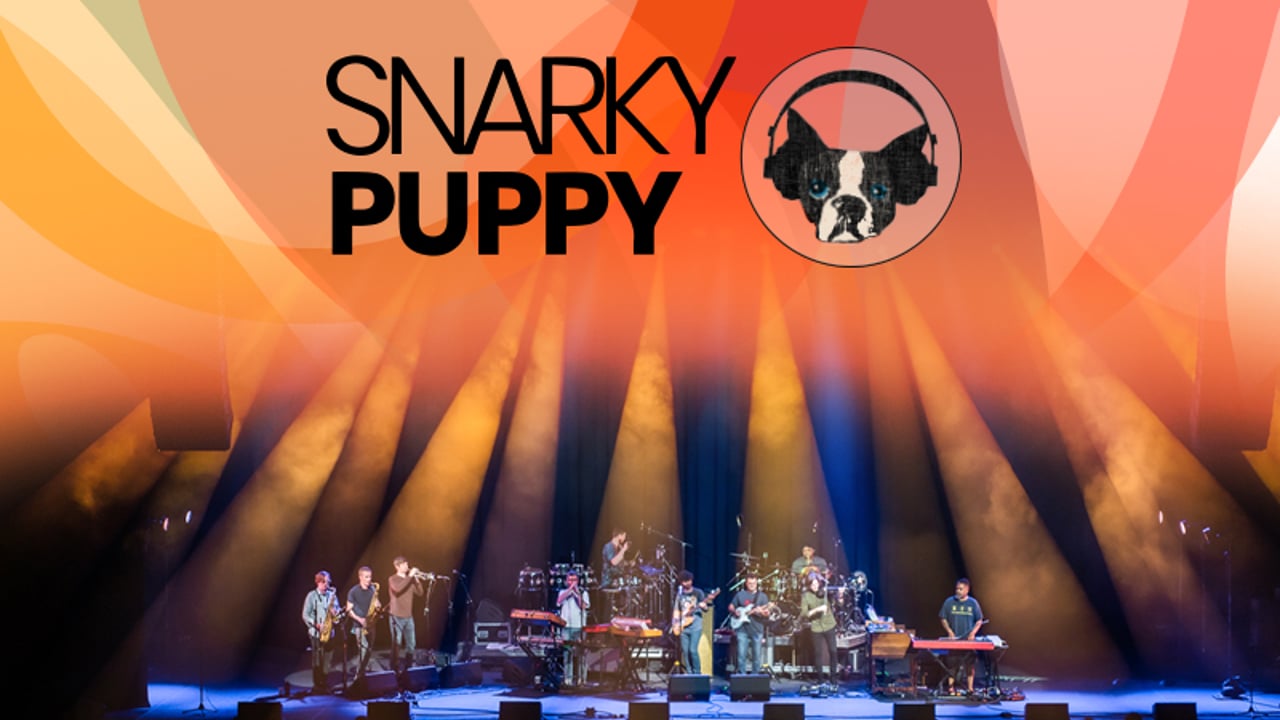
Snarky Puppy“Maybe you didn’t notice, but this is Snarky Puppy’s world, and the rest of us only live in it.”—The New York Times
Snarky Puppy, the five times Grammy® winning collective, “has always been a band that prioritizes the sound of the music,” says bandleader and bassist Michael League. Displaying a wide array of influences including funk, rhythm & blues, hard rock, classic soul, modern gospel, new tech, fusion and jazz, Snarky Puppy isn’t exactly a jazz band, it’s not a fusion band and it’s definitely not a jam band. It’s probably best to take Nate Chinen of the New York Times’ advice, as stated in an online discussion about the group, to “take them for what they are, rather than judge them for what they’re not.”
“Our soundscape has expanded dramatically over the years” says League. “When the band started, we were jazzier, brainy and music oriented. Moving into the Dallas scene we became groovier, more emotional, deeper in a sense. We focused more on communicating a clear message, understandable to a listener without dumbing things down”.
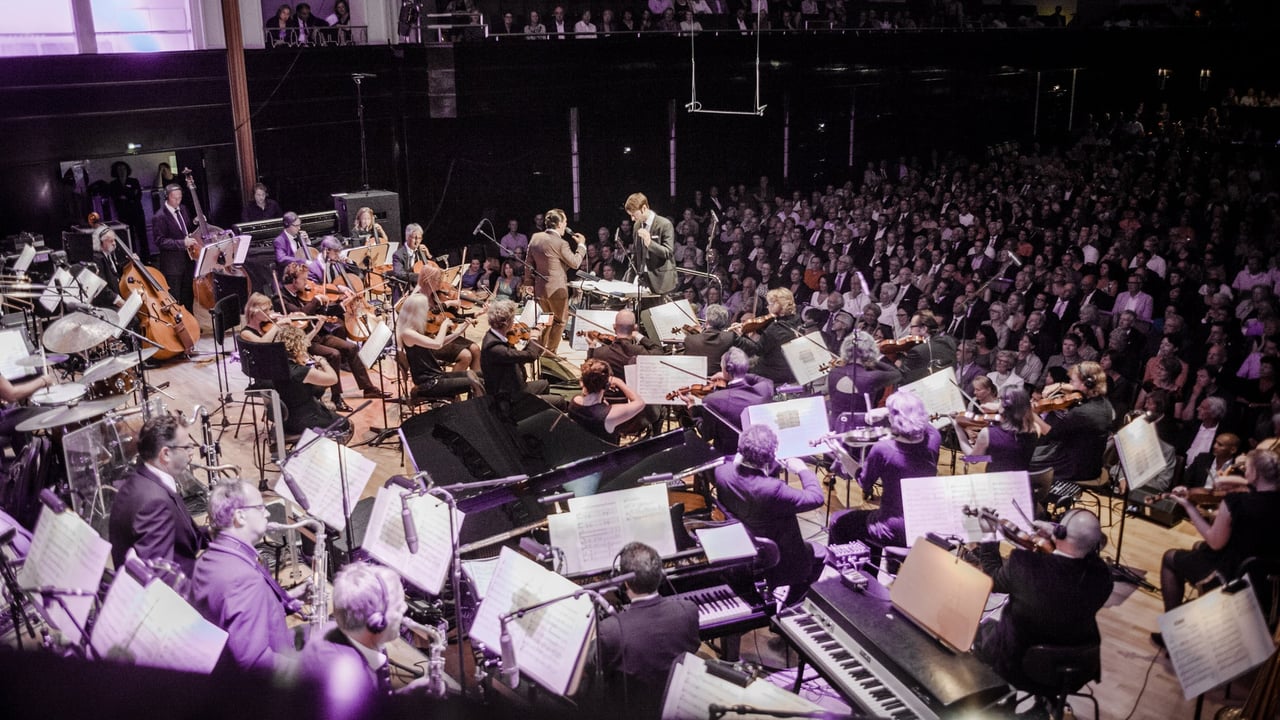
In January 2025 the band collaborated once more with the Metropole Orkest– the Netherlands-based hybrid ensemble renowned for fusing jazz, classical, and popular music on a symphonic scale. Captured live over three nights (January 17–19, 2025) in Utrecht, the project reunites the two groups a decade after their first joint effort, Sylva — an orchestral suite released in 2015 that earned the GRAMMY for Best Contemporary Instrumental Album the following year. The result of this collaboration - Somni - was released in November 2025 via GroundUP Music.
“It’s by far the most ambitious project we’ve ever done … and it was one of the smoothest records we’ve ever made,” he says. “Every individual team just absolutely did their job with so much care and love — from the camera operators to our production team.” That spirit was reflected in the room. “The instant feedback was the warmest we’ve ever had. It was encouraging to know that after 22 years of doing what we do, the music is reaching people.”
Always evolving in its musical output, each new record brings a new vision and progressive direction, “Our rule is that it can’t sound like it sounded before” comments League, he continues, “the music has to feel like it’s moving somewhere”
This also raises the question – where will Snarky Puppy go next? For Snarky Puppy fans, the answer to this is a very exciting prospect. -
Diana Krall
Diana Krall is the only jazz singer to have nine albums debut at the top of the Billboard Jazz Albums chart. To date, her albums have garnered two Grammy® Awards, ten Juno® Awards and have also earned nine gold, three platinum and seven multi-platinum albums. Krall's unique artistry transcends any single musical style and has made her one of the most recognizable artists of our time. As The New York Times recently noted Krall possesses, “A voice at once cool and sultry, wielded with a rhythmic sophistication”
Born in Nanaimo, British Columbia which is outside of Vancouver, Krall grew up in the western part of Canada and began studying the piano when she was four years old. By the time she was 15, she was performing jazz locally and with the encouragement of her father, a stride pianist with a vast knowledge of such Twenties and Thirties keyboard masters as Fats Waller, James P. Johnson, and Earl Hines, she devoted herself to music. "I think Dad had every recording Fats Waller ever made," she says, "and I tried to learn as many as I could."
Krall was still a teenager when she was awarded a scholarship to the prestigious Berklee College of Music in Boston. After two years in Boston, she moved to Los Angeles, where she met her first jazz heavyweights, including bassist John Clayton, drummer Jeff Hamilton, pianist/singer Jimmy Rowles, and Ray Brown, the legendary bassist who served as her musical mentor. In 1993, the Montreal-based Justin Time Records released her debut album, Stepping Out. The following year she signed with GRP Records and recorded Only Trust Your Heart, which featured Ray Brown on bass and Stanley Turrentine on tenor saxophone. Only Trust Your Heart also marked the beginning of her association with Tommy LiPuma, a collaboration that would continue until LiPuma’s untimely passing in 2017.
Krall’s success continued with her subsequent releases All for You, and Love Scenes but her watershed moment came in 1999 with the release of When I Look in Your Eyes, her first release for the historic Verve record label. The recording spent an unprecedented 52 weeks in the #1 position on Billboard's Jazz chart, won two Grammy Awards and went platinum in the U.S. and Canada. Krall's next album, The Look of Love, continued her international success and became a top ten seller on Billboard’s Top 200 Album charts. Since then she has released a string of recordings that have created an impressive body of work, including her critically acclaimed Turn Up The Quiet, which won two Juno Awards including “Producer of the Year.” Diana Krall’s most recent release finds her collaborating with her long-time friend and colleague Tony Bennett. Love Is Here To Stay was recorded with the Grammy award winning Bill Charlap Trio and the stunning result is a subtle, sophisticated and beautifully rendered love letter to The Gershwins’ music and their status as one of the premiere songwriters of the American popular standard. It is a masterclass in vocal delivery and phrasing and the command that Bennett and Krall display of the material in both their duets and solo tracks makes it appear effortless, belying the honed skills of the vocalists. The duet tracks include “Love Is Here to Stay”, “S’Wonderful,” “They Can’t Take That Away from Me” and “Fascinating Rhythm,” among them.
Diana Krall’s recordings have been included in several film soundtracks and she has expanded upon her role as a performer to include songwriting, producing and arranging and has brought her talents to collaborate with many other artists including Paul McCartney, Barbra Streisand and Tony Bennett. She tours extensively around the globe to sold out audiences, appearing at premiere jazz festivals and concert halls throughout North America, Europe, Asia and Australia.
-
Isley Brothers
Official channel for American musical group The Isley Brothers featuring Ronald Isley and Ernie Isley. Originally from Cincinnati, Ohio, that started as a vocal trio consisting of brothers O’Kelly Isley Jr, Rudolph Isley and Ronald Isley. The group has been cited as having enjoyed one of the "longest, most influential, and most diverse careers in the pantheon of popular music". Grammy Award-winning and Rock and Roll Hall of Fame inductees the Isley Brothers wrote and recorded hit songs including Shout!, That Lady, Twist and Shout, It’s Your Thing, Fight the Power, I Wanna Be With You, Between the Sheets, Contagious, This Old Heart of Mine, Voyage To Atlantis, Footsteps in the Dark and many others.
-
Esperanza Spalding
esperanza spalding (a.k.a. irma nejando) is an eaabibacliitoti* artist, trained and initiated in the North American (masculine) jazz lineage and tradition. Her work interweaves various combinations of instrumental music, improvisation, singing, composition, poetry, dance, therapeutic research, storytelling, teaching, restorative urban land & artist-sanctuary custodianship, and growing in love as a daughter, sister, cousin, niece, auntie, great-auntie, friend.
She is co-founder and curator of Prismid Inc., a 501c3 that ushers and stewards restorative artist residency & workshop space in Portland, Oregon.
With her dance company Off Brand gOdds (co-founded with Antonio Brown) and the Songwrights Apothecary Lab she leads multi-week performance, workshop, teaching, and therapeutic-arts research residencies.
*European-African ancestored being influenced by American cultures living in Indigenous Territories of Turtle Island
-
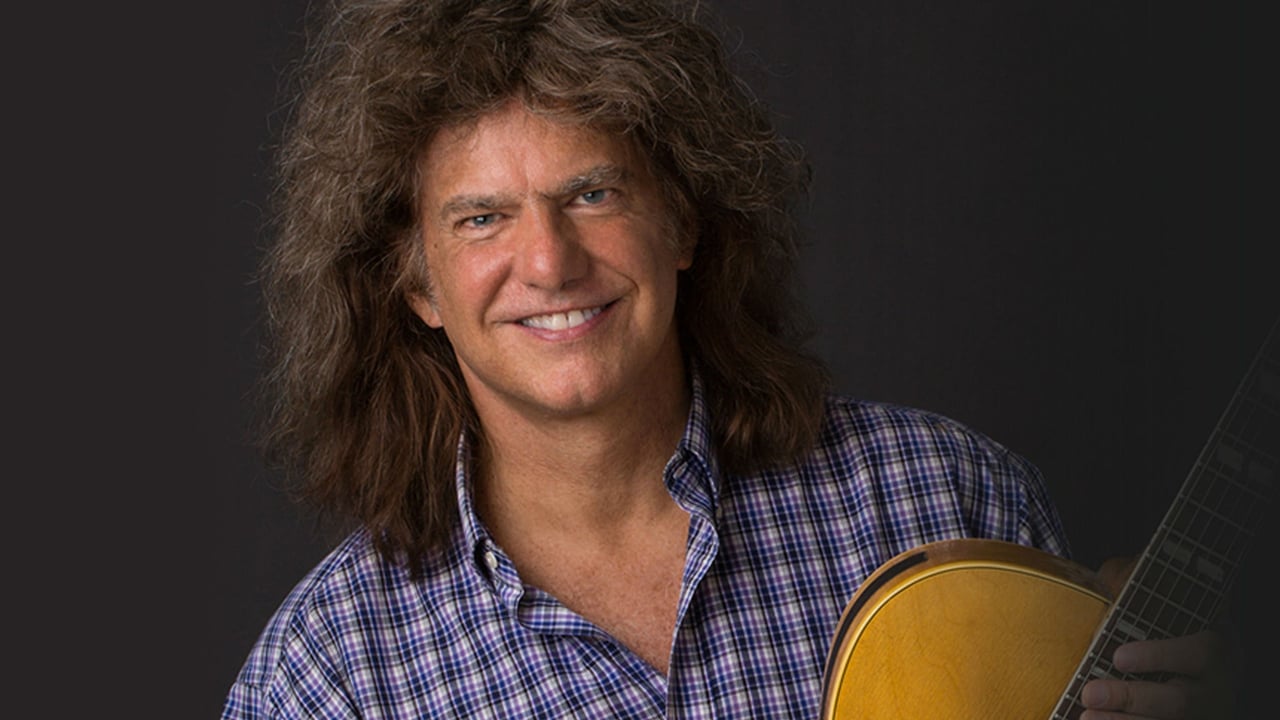 Pat Metheny
PAT METHENY was born in Lee’s Summit, MO on August 12, 1954 into a musical family. Starting on trumpet at the age of 8, Metheny switched to guitar at age 12. By the age of 15, he was working regularly with the best jazz musicians in Kansas City, receiving valuable on-the bandstand experience at an unusually young age. Metheny first burst onto the international jazz scene in 1974. Over the course of his three-year stint with vibraphone great Gary Burton, the young Missouri native already displayed his soon-to-become trademarked playing style, which blended the loose and flexible articulation customarily reserved for horn players with an advanced rhythmic and harmonic sensibility -a way of playing and improvising that was modern in conception but grounded deeply in the jazz tradition of melody, swing, and the blues. With the release of his first album, Bright Size Life (1975), he reinvented the traditional “jazz guitar” sound for a new generation of players. Throughout his career, Pat Metheny has continued to redefine the genre by utilizing new technology and constantly working to evolve the improvisational and sonic potential of his instrument.
Metheny’s versatility is nearly without peer on any instrument. Over the years, he has performed with artists as diverse as Steve Reich to Ornette Coleman to Herbie Hancock to Jim Hall to Milton Nascimento to David Bowie. Metheny’s body of work includes compositions for solo guitar, small ensembles, electric and acoustic instruments, large orchestras, and ballet pieces and even the robotic instruments of his Orchestrion project, while always sidestepping the limits of any one genre.
As well as being an accomplished musician, Metheny has also participated in the academic arena as a music educator. At 18, he was the youngest teacher ever at the University of Miami. At 19, he became the youngest teacher ever at the Berklee College of Music, where he also received an honorary doctorate more than twenty years later (1996). He has also taught music workshops all over the world, from the Dutch Royal Conservatory to the Thelonius Monk Institute of Jazz to clinics in Asia and South America. He has also been a true musical pioneer in the realm of electronic music, and was one of the very first jazz musicians to treat the synthesizer as a serious musical instrument. Years before the invention of MIDI technology, Metheny was using the Synclavier as a composing tool. He also has been instrumental in the development of several new kinds of guitars such as the soprano acoustic guitar, the 42-string Pikasso guitar, Ibanez’s PM series jazz guitars, and a variety of other custom instruments.
It is one thing to attain popularity as a musician, but it is another to receive the kind of acclaim Metheny has garnered from critics and peers. Over the years, Metheny has won countless polls as “Best Jazz Guitarist” and awards, including three gold records for (Still Life) Talking, Letter from Home, and Secret Story. He has also won 20 Grammy Awards spread out over a variety of different categories including Best Rock Instrumental, Best Contemporary Jazz Recording, Best Jazz Instrumental Solo, Best Instrumental Composition at one point winning seven consecutive Grammies for seven consecutive albums. In 2015 he was inducted into the Downbeat Hall of Fame, becoming only the fourth guitarist to be included (along with Django Reinhardt, Charlie Chrisitan and Wes Montgomery) and it’s youngest member. Metheny has spent much of his life on tour, often doing more than 100 shows a year since becoming a bandleader in the 70’s. At the time of this writing, he continues to be one of the brightest stars of the jazz community, dedicating time to both his own projects and those of emerging artists and established veterans alike, helping them to reach their audience as well as realizing their own artistic visions.
-
Nile Rodgers & Chic
Among music legends, Nile Rodgers is truly exceptional. He amplifies his legacy as a multiple GRAMMY-winning composer, producer, arranger and guitarist by constantly traversing new musical terrain and successfully expanding the boundaries of popular music. As the co-founder of CHIC and the Chairman of the Songwriters Hall of Fame, Rodgers pioneered a musical language that generated chart-topping hits like "Le Freak," (the biggest selling single in the history of Atlantic Records) and sparked the advent of hip-hop with "Good Times". Nile transcends all styles of music across every generation with a body of work that's garnered him inductions into the Rock & Roll Hall of Fame and the Songwriters Hall of Fame.
Currently, Nile serves as the first-ever Chief Creative Advisor for the incomparable Abbey Road Studios, helms the critically acclaimed Apple Music 1's "Deep Hidden Meaning Radio with Nile Rodgers" and is the Co-founder and Chairman of the We Are Family Foundation, since 2002. His unforgettable live performances with CHIC have been included in "festival best performances" at both Glastonbury and Coachella resulting in a BBC Music Awards nomination for "Best Live Performance", and the LA Times stating, "Nile Rodgers influence stretches all over Coachella, beaming the sound of a better future".
Nile's work in the CHIC Organization and his productions for artists like David Bowie, Diana Ross, and Madonna have sold over 500 million albums and 75 million singles worldwide while his trendsetting collaborations with Daft Punk, Avicii, Keith Urban, Disclosure, Sam Smith and Lady Gaga reflect the vanguard of contemporary music.
-
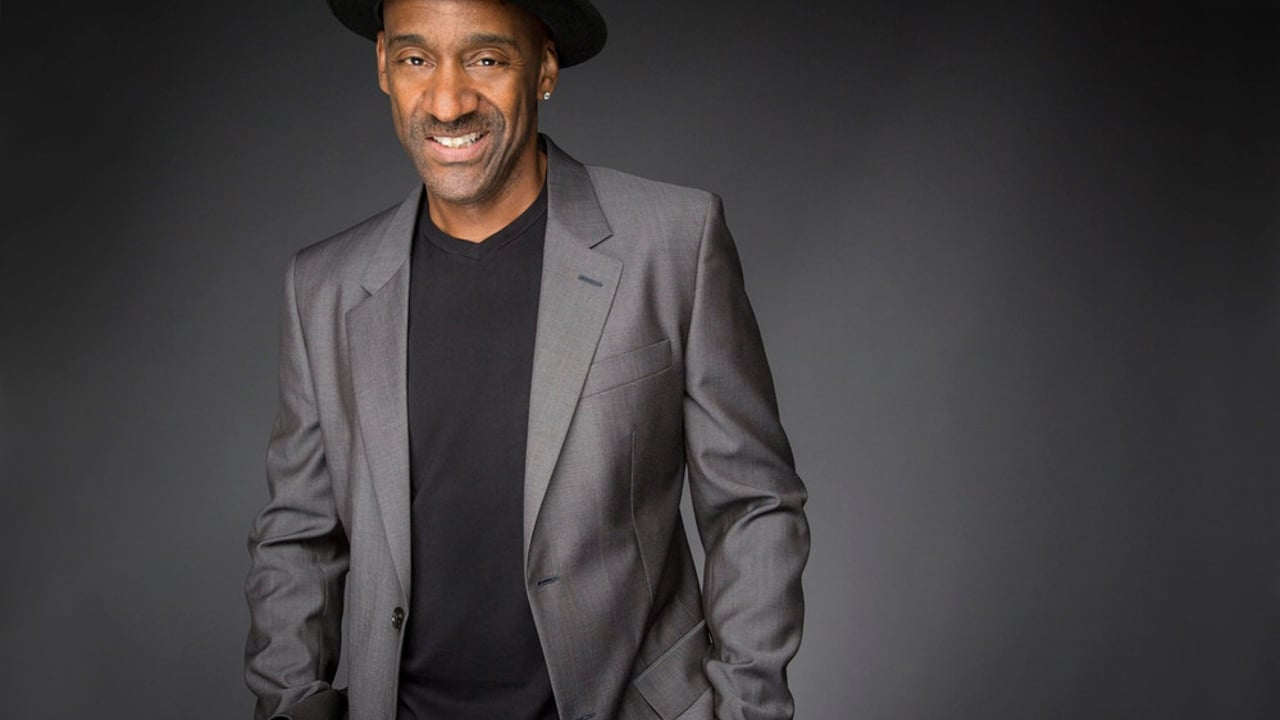
Marcus Miller
Marcus Miller is an American jazz composer, producer and multi-instrumentalist originally from Brooklyn who has worked with some of the music industries most celebrated artists.
-
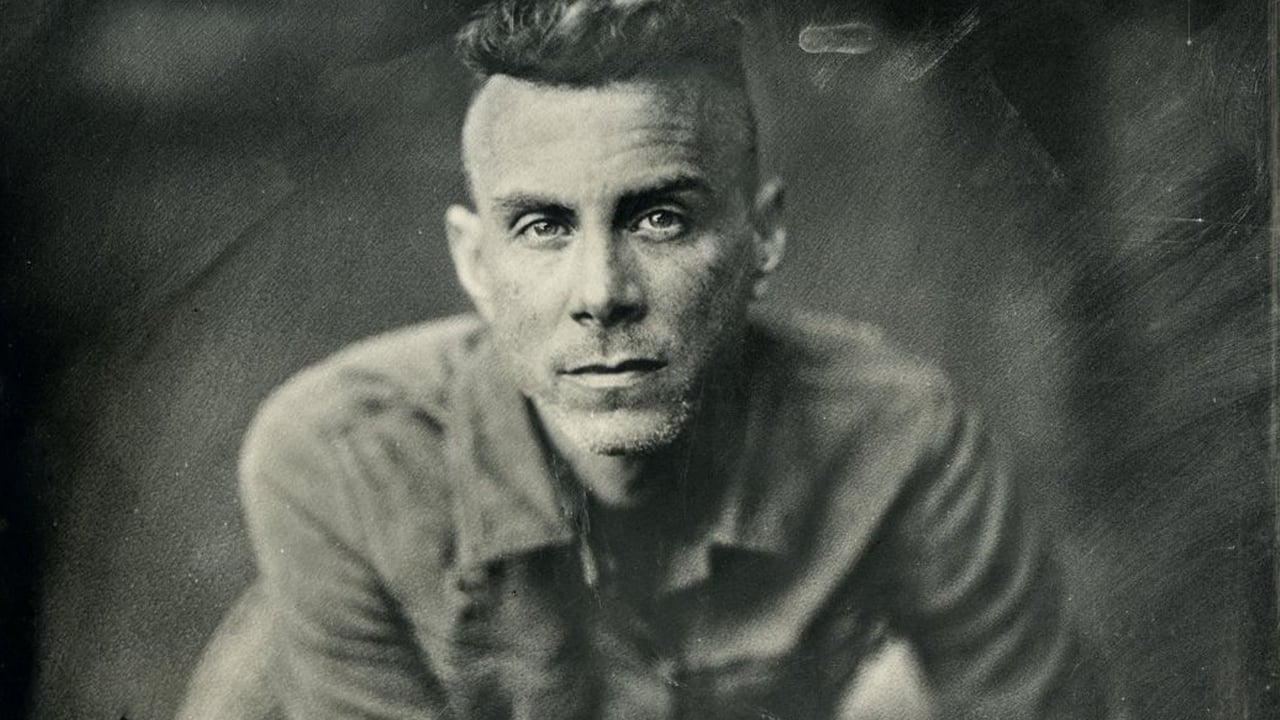 Asaf Avidan
“An artist that writes like Leonard Cohen, sings like Robert Plant, and has the charisma of a cabaret performer” - Jon Pareles, The New York Times “Billie Holiday, Janis Joplin and Bob Dylan are all in there, but they add up to a wholly original sound, with songs that are beautifully written and fervently performed”. - Bob Boilen, NPR Asaf Avidan has released 7 studio albums which received multiple Gold and Platinum awards in over 15 countries. He has headlined the largest festivals in Europe and sold out his own tours over the past decade.
-
 Bill Evans
“WHO DOES MILES DAVIS, GREGG ALLMAN, WILLIE NELSON, HERBIE HANCOCK, WARREN HAYNES AND DEREK TRUCKS ALL HAVE IN COMMON? BILL EVANS, THAT’S WHO.”
Deeply intrigued and ultimately inspired by American roots music, saxophone legend Bill Evans wrote, produced and recorded “Soulgrass” in 2005, garnering a Grammy nod in the process. Soulgrass was a breakaway new fusion of jam, rock, funk, roots and jazz, blending the banjo, fiddle, mandolin and dobro, combining the best musicians from Jazz and Americana. Three more CD’s followed in the Soulgrass genre, “The Other Side of Something”, “Dragonfly”, and the 2014 release of “Live in Moscow” recorded during the first of two sold out U.S. State Dept sponsored tours of Russia. Each subsequent release found Bill pushing the musical boundaries of Jazz and Improvisational rock. “Combining banjo and fiddle with rock guitar became very natural for me in my live band and recordings. With the addition of vocals, we were reaching a much larger audience of all ages.”
After 10 years of touring and breaking new ground with Soulgrass, in 2015 Bill introduced the “Bill Evans Band”, a hard hitting montage of Jazz, Rock, instrumental and vocals. Evans and drummer Josh Dion are both featured as the new groups lead singers. The “Bill Evans Band” features Saxophone/vocals, Guitar/vocals, bass and drums/vocals with a seamless blend of Jazz, rock and groove. “People really relate to this band. We’re not afraid to play anything. The Bill Evans Band takes people on a musical journey with jazz, funk, and rock and roll. For me, that’s the definition of jazz – Improvisation and Exploration that people can still relate to!”
“RISE ABOVE” is Bill’s latest and most accessible release to date (2016). On this, his 24th solo offering, Evans explores rich and haunting vocals from special guest singers, including legend Gregg Allman, Warren Haynes, JJ Grey, Anders Osborne, Murali Coryell, and Josh Dion. Says Bill, “This recording has been an epic journey. My vision from the beginning was to record with some of my favorite singers, and work on a different song with each one of them. The goal was to still make a cohesive and solid performance out of all this music. It went far beyond my expectations. Sheer pleasure start to finish!”
“RISE ABOVE” is tied together with Evans’ pedigree and love of soulful melodies and hard-hitting grooves, as it has been from the very beginning. In addition to his powerhouse guest vocalists, this recording also features: Jake Cinninger (Umphrey’s McGee) and Mike Stern on guitar, as well as a who’s who among Jazz and Jam Band musicians.
Evans is a world-class saxophonist and producer who made his debut on the international music scene in the 1980s originally with Miles Davis, (at the age of 21 years old and recorded 6 records with Davis) which led to playing with the likes of John McLaughlin, Herbie Hancock, Mick Jagger and Willie Nelson to name a few. With 24 solo albums, Grammy nods, and countless collaborations and tours, Evans has continued to explore a dazzling variety of adventurous musical settings as a pioneering bandleader, consistently winning fans in the worldwide arena. RECENT HIGHLIGHTS include touring and/or performing with his own Bill Evans Band as well as Warren Haynes, Robben Ford (Soulgrass meets Blues), Phil Lesh & Friends, The Stern/Evans Band, Medeski Martin & Wood, and countless sit-ins with The Allman Brothers Band, Umphrey’s Mcgee, Moe, Blues Traveler, Galactic and more. Evans will be spending much of his time touring with the Bill Evans Band in support of his new album “Rise Above”.
-
Nate Smith
Since moving from Chesapeake, Virginia to New York City in 2001, Nate Smith has helped reinvigorate the international jazz scene with his visceral style of drumming by playing with such esteemed leading lights as bassist Dave Holland, saxophonists Chris Potter and Ravi Coltrane, and singers Patricia Barber, Somi, and JoséJames. The New York Times described Smith as “a firecracker of a drummer.”
Smith’s rising career reaches a new benchmark with the release of his bandleader debut, KINFOLK: Postcards from Everywhere, on which he fuses his original modern jazz compositions with R&B, pop, and hip-hop. The disc shows Smith leading a scintillating core ensemble, consisting of pianist and keyboardist Kris Bowers, guitarist Jeremy Most, alto and soprano saxophonist Jaleel Shaw, electric bassist Fima Ephron, and singer and lyricist Amma Whatt, and Michael Mayo on backing vocals. The lineup expands on several cuts with the inclusion of Potter and Holland along with other illustrious guests – guitarists Lionel Loueke and Adam Rogers, and singer Gretchen Parlato.
As the title KINFOLK suggests, the music bristles with a magnetism that can be only achieved by assembling the right musicians, building upon and blending their individual voices and developing a bracing group rapport. Indeed, Smith refers to the aforementioned musicians as “kindred spirits,” while embracing some philosophies gleaned from his mentor, Holland. “Dave once told me, ‘I really believe that musicians find each other,’” Smith recalls. “He feels that all the collaborations he’s done and all the sidemen that he’s hired came into his life on purpose, even though he might not have been looking for something specific. He discovers people along the way.
“KINFOLK is about the musical family that I’ve put together,” Smith continues. “All core members of the band have very unique and specific points of view.” He reinforces the idea of family by composing tunes that touch upon his childhood. Such is the case with the jovial “Morning and Allison,” whose title partly invokes Allison Drive, the street on which Smith grew up. The song stars Ms. Whatt serenading idyllic recollections of a child enjoying a bright, fun-filled Sunday morning.
Smith recorded his parents – Lettie and Theodore Smith – talking about their respective parents on the mesmerizing interludes “Mom” and “Dad.” On the former, Smith’s mother tells how her father migrated from Virginia to Detroit and was drafted into U.S. Army then later returned to Virginia, where he bought the family a house. The latter provides a vehicle for his father to recall how his father tirelessly worked at Navy shipyard in Norfolk, Virginia during the Jim Crow era without getting proper financial compensation or promotion until decades later. “I think of these stories as snapshots that ultimately gave shape to the Black American experience into which I was born, which ultimately informs this music” Smith explains, before stressing the importance of having his parents’ voices on the album.
The significance of having Smith’s father on the disc was brought home even more after his passing in March 2015. “He never got a chance to hear the music or the band,” Smith says.
Smith celebrates the legacy of his paternal grandfather on the haunting ballad “Home Free (Peter Joe).” The song begins with a chamber- like string intro then moves into a gorgeous hymnal melody, highlighted by Shaw’s uncoiling of a splendid, blues-soaked lyricism. “Of my four grandparents, Peter Joe was the one I felt the closest to,” Smith says. “He was a real buddy of mine. He died when I was only nine but I still think about him a lot.”
Smith reemphasizes the theme of nostalgia with “Retold” and “Pages.” “Retold” finds Bowers tickling a melancholy yet romantic melodic motif on which guitar and saxophone run parallel lines across. “When I started writing this song, it always sounded like someone telling a love story from start to finish,” Smith says. “The real feature of the song is Kris’ amazing piano solo. He’s so lyrical and rhythmic in the way that he plays.” The dreamy ““Pages” becomes a superb showcase for Parlato to sing the song’s theme about turning the pages of a photo album. “I’ve loved Gretchen since the first time I heard her sing,” Smith says. “She becomes a part of the musical fabric. When she sings, it’s never about the singer being at the front and the band being way in the back. It’s all one sound. She also has really big ears and has amazing ideas about phrasing.”
The spirit of the Black Lives Matter movement permeates the somber ballad “Disenchantment: The Weight,” another tune that spotlights Whatt’s thoughtful lyrics and delicate singing. Underneath the prowling melody, Smith drums martial rhythms that convey a sense of marching forward. Written in the summer of 2013 soon after the verdict of the Trayvon Martin murder trial, Smith says that the song’s cyclical harmonic pattern represents a longing sigh that many people felt and continue to feel after witnessing such ongoing travesties.
Following that aforementioned song is “Spinning Down,” an intricate tune, marked by multiple subdivided rhythms inside of larger rhythmic cycles. Featuring Holland playing acoustic bass alongside Ephron on electric, intertwining saxophone passages from Shaw; incredible solos from Bowers and Loueke, and surprisingly the only drum solo on the disc, the song touches upon the theme of trying to ease a restless mind. “It works well right after ‘Disenchantment’ because that song is about everything that’s wrong,” Smith explains. “Spinning Down’ is about the mind trying to work all that wrong out.”
The other tunes on KINFOLK reflect Smith’s unfettered love for groove and funk. The disc opens with the feisty “Skip Step,” a tricky tune, featuring Holland and Loueke, which Smith explains was influenced by his love for Earth, Wind & Fire; specifically the level of musical sophistication that the group’s founder and leader, Maurice White ceaselessly incorporated in its signature sound. Smith describes the song as a straight-up R&B jam with an extra eighth note at the end – hence the song’s title. “I wanted the song to be as danceable as possible but with this one little hiccup or skip at the end of the phrase,” Smith says. “I also thought about Lionel, because, like Dave, he can make anything groove. He’s such a relaxed player and his time-feel is so crazy that he can make any song feel good.”
“Feel good” vibes carry over into “Bounce (Part I and II),” featuring Potter on tenor saxophone. In fact, the song was first performed during Smith’s tenure as a core member of Potter’s acclaimed Underground ensemble. Smith revised the song to include another section after being influenced by Miles Davis’ seminal 1986 LP, Tutu. “On Tutu, there’s a little bit of written material and then there’s a little bit of groove section in which people start improvising,” Smith says. “Then they go back to the written material. They cycle that around. That was the idea for ‘Bounce.’”
Just as the second part of “Bounce” offered a canvas for Potter to improvise, the
quicksilver “From Here – Interlude” does the same for Shaw, whom Smith praises as someone whose improvisations balance the wisdom of an older musician with the fiery enthusiasm of young gun.
As the title suggests, the fractured, hip-hop leaning “Small Moves – Interlude,” is a play on Smith’s manipulation of the song’s chord changes by moving them from minor to major by the addition or subtraction of one note. “To me, that’s an allegory for life – you can make one small move or say one small thing out of kindness or cruelty and it’ll change your entire trajectory,” Smith says.
“Spiracles” – the sole non-original on the disc – is a Stereolab song from the group’s 1999 disc, Cobra and Phases Group Play Voltage in the Milky Night. On Smith’s makeover, he decelerates the tempo then buttresses it with a more defining backbeat while retaining the song’s billowing melody. The song includes a tender alto saxophone aside from Shaw, along with a lulling guitar solo from Rogers. “I love the chord changes and the melody of that song. There’s a cycle of discovery every time I go through that song’s form,” Smith enthuses.
Because Smith didn’t come strictly from the formal matriculation of music studies as so many of his jazz contemporaries did, he lovingly describes his approach to drumming as “unrefined,” which in turns helps him distinguish his voice. He did, however, earned his bachelor’s degree in 1997 in media arts and design from James Madison University. While he was still in college, the legendary singer Betty Carter recruited him for her world-acclaimed Jazz Ahead program.
Smith says that the visual arts discipline he studied in college definitely seeps into his compositions. “I love great movies and images. I’ve always had a deep interest in composing for film,” Smith says. “For this project, there is something very cinematic about the way that I conceived this record. That’s why it was so important for me to cast the right characters in terms of musicians. They bring to life the themes of family, nostalgia and identity that define this music.” Ultimately, Smith likens the songs on KINFOLK to film vignettes sequenced together to tell a greater story about the unfolding journey of a working artist. This music represents snapshots from that voyage – these songs are the postcards from everywhere along the winding road.
-
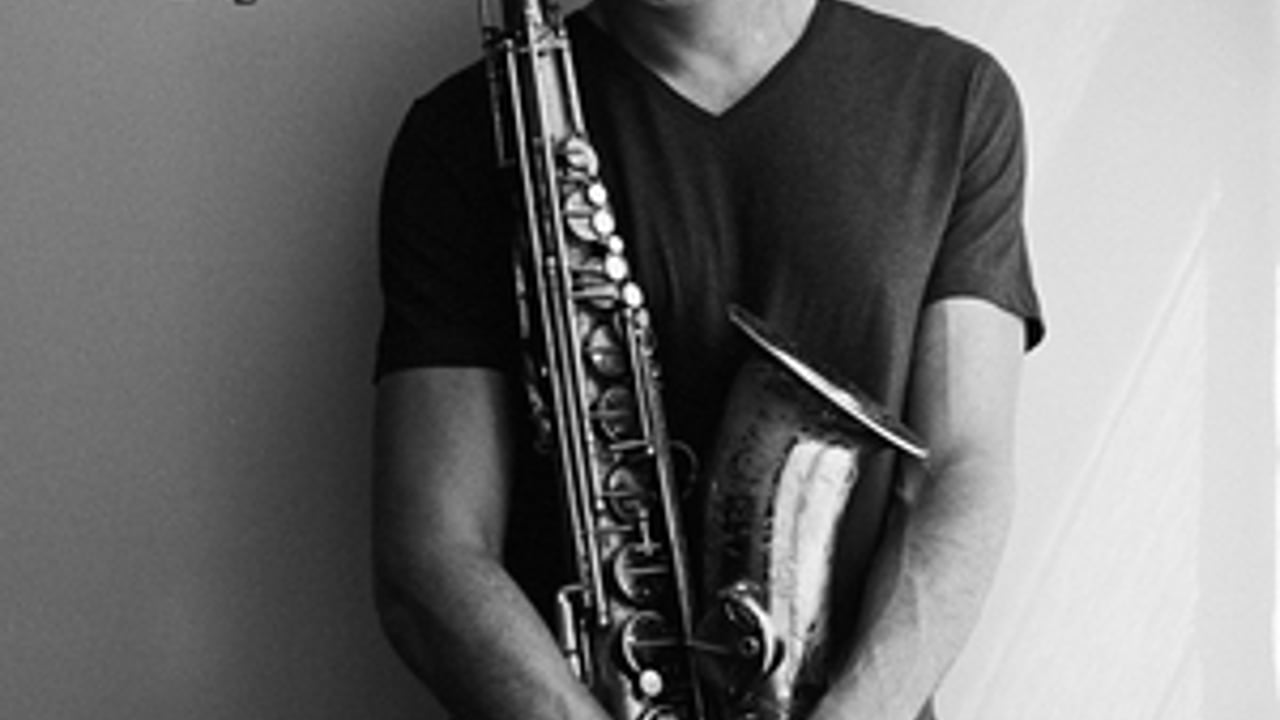 Joshua Redman
Joshua Redman is one of the most acclaimed and charismatic jazz artists to have emerged in the decade of the 1990s. Born in Berkeley, California, he is the son of legendary saxophonist Dewey Redman and dancer Renee Shedroff. He was exposed at an early age to a variety of musics (jazz, classical, rock, soul, Indian, Indonesian, Middle-Eastern, African) and instruments (recorder, piano, guitar, gatham, gamelan), and began playing clarinet at age nine before switching to what became his primary instrument, the tenor saxophone, one year later. The early influences of John Coltrane, Ornette Coleman, Cannonball Adderley and his father, Dewey Redman, as well as The Beatles, Aretha Franklin, the Temptations, Earth, Wind and Fire, Prince, The Police and Led Zeppelin drew Joshua more deeply into music. But although Joshua loved playing the saxophone and was a dedicated member of the award-winning Berkeley High School Jazz Ensemble and Combo from 1983-86, academics were always his first priority, and he never seriously considered becoming a professional musician.
In 1991 Redman graduated from Harvard College summa cum laude, Phi Beta Kappa with a B.A. in Social Studies. He had already been accepted by Yale Law School, but deferred entrance for what he believed was only going to be one year. Some of his friends (former students at the Berklee College of Music whom Joshua had met while in Boston) had recently relocated to Brooklyn, and they were looking for another housemate to help with the rent. Redman accepted their invitation to move in, and almost immediately he found himself immersed in the New York jazz scene. He began jamming and gigging regularly with some of the leading jazz musicians of his generation: Peter Bernstein, Larry Goldings, Kevin Hays, Roy Hargrove, Geoff Keezer, Leon Parker, Jorge Rossy and Mark Turner (to name just a few). In November of that year, five months after moving to New York, Redman was named the winner of the prestigious Thelonious Monk International Saxophone Competition. This was only one of the more visible highlights from a year that saw Redman beginning to tour and record with jazz masters such as his father, Jack DeJohnette, Charlie Haden, Elvin Jones, Joe Lovano, Pat Metheny, Paul Motian, and Clark Terry. For Joshua, this was a period of tremendous growth, invaluable experience and endless inspiration.
Now fully committed to a life in music, Redman was quickly signed by Warner Bros. Records and issued his first, self-titled album in the spring of 1993, which subsequently earned Redman his first Grammy nomination. That fall saw the release of Wish, where Joshua was joined by the all-star cast of Pat Metheny, Charlie Haden and Billy Higgins. He toured extensively with Metheny throughout the latter half of that year. His next recording, MoodSwing, was released in 1994, and it introduced his first permanent band, which included three other young musicians who have gone on to become some of the most important and influential artists in modern jazz: pianist Brad Mehldau, bassist Christian McBride and drummer Brian Blade. A later edition of this ensemble included guitarist Peter Bernstein, pianist Peter Martin, bassist Chris Thomas and Blade. Over a series of celebrated recordings including Spirit of the Moment/Live at the Village Vanguard, Freedom in the Groove and Timeless Tales (for Changing Times), Redman established himself as one of the music’s most consistent and successful bandleaders, and added soprano and alto saxophones to his instrumental arsenal. Joshua’s second acclaimed quartet, featuring pianist Aaron Goldberg, bassist Reuben Rogers and drummer Gregory Hutchinson, was formed in 1998 and made its recorded debut on the 2000 album Beyond. The dynamic interplay and uncommon rapport of this group inspired Redman to write and record his first long-form composition, Passage of Time, which was released in 2001.
A year later, Redman began to channel his jazz sensibilities through new instrumentation and formed The Elastic Band, a flexible, electrified, groove-based trio built on an ongoing collaboration with keyboardist Sam Yahel and drummer Brian Blade. The band debuted on the 2002 releases yaya3 and Elastic. Drummer Jeff Ballard began to play regularly with the Elastic Band later that year, and he (along with Blade and Yahel) played a central role in their next recording, the Grammy-nominated Momentum, which was released in 2005 to inaugurate Redman’s affiliation with Nonesuch Records, and featured a diverse and exciting lineup of special guests.
In 2000, Redman was named Artistic Director for the Spring Season of the non-profit jazz-presenting organization SFJAZZ. Redman and SFJAZZ Executive Director Randall Kline had an idea that The New York Times called a “eureka moment”; the creation of the SFJAZZ Collective, an ensemble distinguished both by the creativity of its members and a unique primary emphasis on composition. Inaugurated in 2004, the eight-piece band consists of a multi-generational cast of accomplished musicians. The Collective’s repertoire features both commissioned works and new arrangements of the work of great modern jazz composers. In March 2007, Redman announced that he was taking a hiatus from both the SFJAZZ Artistic Directorship and the SFJAZZ Collective in order to focus on new projects.
The following month, Nonesuch released Redman’s first ever piano-less trio record, Back East, featuring Joshua alongside three stellar bass and drum rhythm sections (Larry Grenadier & Ali Jackson, Christian McBride & Brian Blade, Reuben Rogers & Eric Harland) and three very special guest saxophonists (Chris Cheek, Joe Lovano and Dewey Redman). On Compass, released in January 2009 (Nonesuch), Joshua continues to explore the expansive trio format, and with a group of collaborators as intrepid as he is – bassists Larry Grenadier and Reuben Rogers, and drummers Brian Blade and Gregory Hutchinson – Redman literally and figuratively stretches the shape of the trio approach; on the most audacious of these tunes, he performs with the entire lineup in a double-trio setting.
Starting in late 2009, Joshua began performing with a new collaborative band called James Farm featuring pianist Aaron Parks, bassist Matt Penman, and drummer Eric Harland. The band infuses traditional acoustic jazz quartet instrumentation with a progressive attitude and modern sound. The band’s performances and two albums have been met with rave reviews across the globe.
In May 2013, Redman released Walking Shadows (Nonesuch), a collection of vintage and contemporary ballads produced by his friend and frequent collaborator Brad Mehldau. This is Redman’s first recording to include an orchestral ensemble and includes a core ensemble of Mehldau on piano, Larry Grenadier on bass, and Brian Blade on drums. About Walking Shadows, the New York Times says "there hasn’t been a more sublimely lyrical gesture in his 20-year recording career."
Released in June 2014, Trios Live (Nonesuch), was recorded at New York City’s Jazz Standard and Washington, DC’s Blues Alley during stands with two different trios - Redman and drummer Gregory Hutchinson with bassist Matt Penman (Jazz Standard) and Redman and Hutchinson with bassist Reuben Rogers (Blues Alley). Trios Live features four original tunes by Redman and interpretations of three additional songs.
After their first partnership during 2011 performances at the Blue Note in New York at the invitation of The Bad Plus, and intermittent performances together over the years, Redman and the tight-knit trio released their first studio album titled The Bad Plus Joshua Redman in May 2015 on Nonesuch. Redman explains the draw of this unique collaboration: "Playing with The Bad Plus has allowed me to explore a part of my playing, and my musical heritage, that I’ve never before accessed in quite the same way with any other group. The adventure with The Bad Plus pushes me toward the fringes and draws me into the core." Redman was nominated for Best Improvised Jazz Solo on the track “Friend or Foe” from this debut recording collaboration.
Released in 2016, Nearness (Nonesuch), was recorded at several European concert stops and illustrates in the most direct and intimate way the extraordinary musical rapport between saxophonist Joshua Redman and pianist Brad Mehldau—label-mates, friends, and fellow travelers in jazz for 25 years. After joining Mehldau as a featured soloist on Highway Rider, the two musicians resumed performing as a duo at concert halls and festivals around the world, garnering superb reviews every time out. The tracks on Nearness were culled from recordings made during summer and fall 2011 European dates in concert halls, theaters, and, one night in Norway, at a church.
Still Dreaming, released in May 2018 on Nonesuch, features drummer Brian Blade, bassist Scott Colley, and trumpeter Ron Miles. Touring together since 2016, the quartet seeks to affirm, in their own way, the musical exploration and experimentation which defined one of the seminal jazz bands of the '70s and '80s, Old and New Dreams, which featured Joshua’s father and Ornette Coleman alumni Dewey Redman on tenor saxophone. Busy as these four musicians are with their myriad musical projects, hearing them perform together as Still Dreaming will likely be a rare opportunity, an uncommon musical adventure - informed by the past, but looking toward the future, and navigated by the now.
Joshua Redman Quartet’s Come What May (Nonesuch), was released on March 29, 2019. It marks the first recording in almost two decades for this group of musicians: the recently Grammy-nominated saxophonist and his longtime friends and colleagues pianist Aaron Goldberg, bassist Reuben Rogers, and drummer Gregory Hutchinson. Previous releases were Beyond (2000) and Passage of Time (2001). The Quartet, which has toured internationally over the last several years, recorded seven Redman tunes for Come What May.
2020 saw Redman reunite with his original quartet – Redman (saxophone), Brad Mehldau (piano), Christian McBride (bass), and Brian Blade (drums) − with the July 10 release of RoundAgain (Nonesuch). RoundAgain, the group’s first recording since 1994’s MoodSwing, features seven newly composed songs: three from Redman, two from Mehldau, and one each from McBride and Blade. The quartet returned in 2022 with LongGone, featuring original Redman compositions from the RoundAgain recording sessions, plus a live performance of the MoodSwing track ‘Rejoice’.
In addition to his own projects, Redman has recorded and performed with musicians such as Brian Blade, Ray Brown, Dave Brubeck, Chick Corea, The Dave Matthews Band, Jack DeJohnette, Bill Frisell, Aaron Goldberg, Larry Goldings, Charlie Haden, Herbie Hancock, Roy Hargrove, Roy Haynes, Billie Higgins, Milt Jackson, Elvin Jones, Quincy Jones, Big Daddy Kane, Geoff Keezer, B.B. King, The Lincoln Center Jazz Orchestra, DJ Logic, Joe Lovano, Yo Yo Ma, Branford Marsalis, Christian McBride, John Medeski, Brad Mehldau, Pat Metheny, Marcus Miller, Paul Motian, MeShell Ndegeocello, Leon Parker, Nicholas Payton, John Psathas, Simon Rattle, Dewey Redman, Dianne Reeves, Melvin Rhyne, The Rolling Stones, The Roots, Kurt Rosenwinkel, John Scofield, Soulive, String Cheese Incident, Clark Terry, Toots Thielemans, The Trondheim Jazz Orchestra, Mark Turner, McCoy Tyner, Umphrey’s McGee, US3, Bugge Wesseltoft, Cedar Walton, Stevie Wonder, Sam Yahel, and Patrick Zimmerli. Joshua Redman has been nominated for ten Grammys and has garnered top honors in critics and readers polls of DownBeat, Jazz Times, The Village Voice and Rolling Stone. He wrote and performed the music for Louis Malle’s final film Vanya on 42nd Street, and is both seen and heard in the Robert Altman film Kansas City.
-
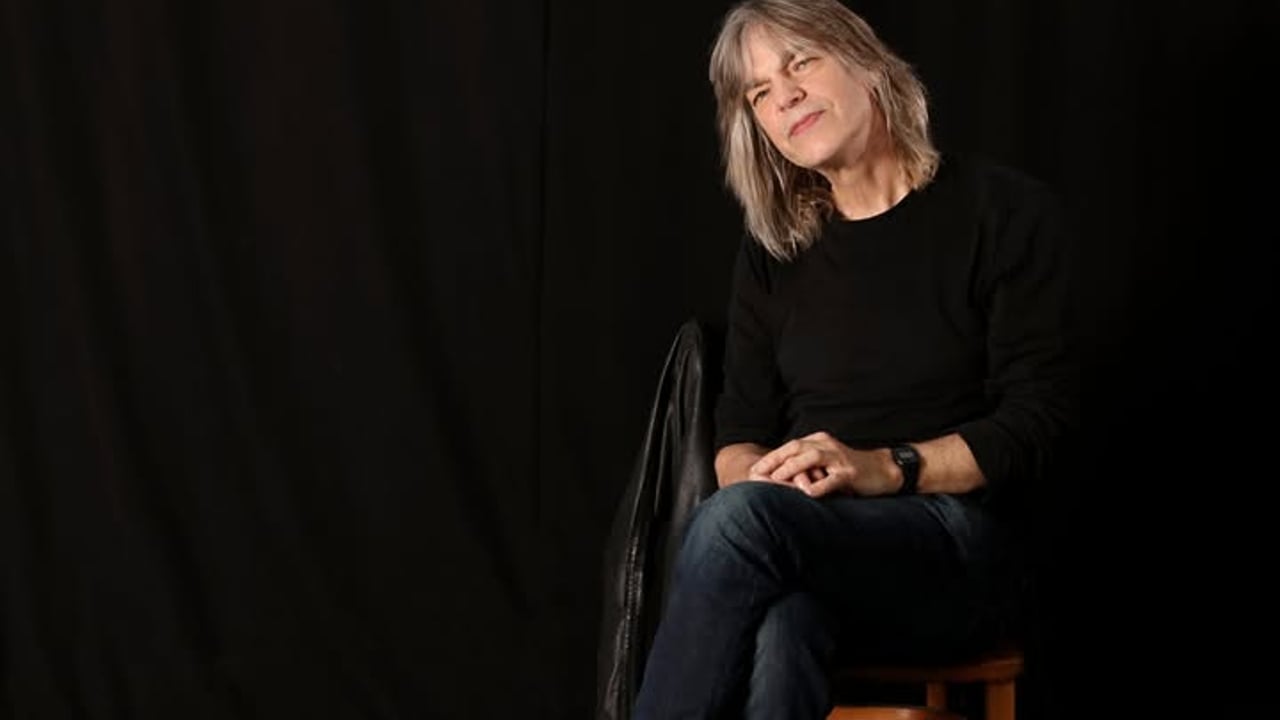 Mike Stern
One of the great jazz guitarists of his generation, Mike Stern has the unique ability to play with the finesse and lyricism of Jim Hall, the driving swing of Wes Montgomery and the turbulent, overdriven attack of Jimi Hendrix. Growing up in the Washington, D.C. area, Stern revered all three of those guitar immortals, along with such potent blues guitarists as Albert and B.B. King. Aspects of those seminal influences can be heard in his playing on the 18 recordings he has released as a leader or in his acclaimed sideman work for Miles Davis, Billy Cobham, the Brecker Brothers, Jaco Pastorius, Steps Ahead, David Sanborn, Blood, Sweat & Tears, Joe Henderson and the all-star Four Generations of Miles band.
Stern’s latest Concord Jazz release, Eleven, is an encounter with Grammy-winning keyboardist-composer-producer Jeff Lorber. Co-produced by bassist Jimmy Haslip, who had previously worked with the guitarist on the Yellowjacket’s 2008 album, Lifecycle, this lively collaboration finds Stern at the peak of his powers, following on the heels of 2017’s acclaimed Trip, his triumphant return to recording after a freak accident that threatened to end his career. The multiple Grammy-nominated guitarist was hailing a cab outside his apartment in Manhattan July 3, 2016 when he tripped over some hidden construction debris left in the street, fracturing both of his humerus bones (the long bones that run from the shoulder to the elbow) in the fall. Left with significant nerve damage in his right hand which prevented him from doing the simplest tasks, including holding a pick, Stern faced a series of surgeries and subsequent physical therapy before he could regain control of his nerve-damaged picking hand. And while Trip represented a strong comeback, the intrepid guitarist takes things up a notch on Eleven.
“When the idea was floated for this project, I asked a bunch of cats who worked with Jeff, like Randy Brecker, Dave Weckl and Bob Franceschini, and they all said, ‘He’s cool, he throws down, he can really get it going.’ And they’re right,” said Stern. “Jeff’s got a strong rhythmic groove and he comps really well on the Fender Rhodes, which is kind of his signature sound. And I feel like his music really comes more from soul music than smooth jazz. That Philly soul thing is definitely in some of his tunes on this record.”
Added Lorber of their first collaboration together, “Mike’s just a bebop wizard, he’s got an incredible jazz feeling. And by the same token, he’s got the rock and blues thing covered too. He’s on both sides of the musical spectrum. So when I heard he was up for it, I was delighted to have a chance to work with him in the studio on this project. And I think we really hit it off musically as well as personally.”
One of the top guitarists in jazz since his breakthrough days with Miles Davis' celebrated comeback band of the early 1980s, Stern has earned the respect of colleagues and critics alike while also exerting a towering influence on a generation of aspiring players. A guitarist of formidable technique, he continues to awe and inspire six-string aficionados with his seamless blend of bebop facility, scorching rock intensity and uncommon lyricism. As Jon Chappell of Guitar magazine noted, “Stern is not only a magician of the fretboard but a heartfelt and mature composer of great depth.” By combining the legato approach of jazz saxophone greats like John Coltrane, Sonny Rollins and Joe Henderson with a few touches from the rock camp (i.e., distortion and delay pedals along with some urgent string bending, courtesy of his boyhood blues heroes B.B. King and Buddy Guy), Stern has successfully fashioned a singular voice that comfortably occupies both rock and jazz worlds.
Born on January 10, 1953, he began playing guitar at age 12, emulating the likes of B.B. King, Eric Clapton and Jimi Hendrix. “I liked the feel of the guitar and I got hooked on it,” he recalled in an interview. “But I didn't really get serious about it until I went to Berklee in 1971.” At the Berklee College of Music in Boston his focus shifted to jazz as he began an intensive period of woodshedding, immersing himself in records by Miles Davis, John Coltrane, McCoy Tyner and Bill Evans while studying with guitarists Mick Goodrick and Pat Metheny. During his stint at Berklee, he developed a keen appreciation for jazz guitar greats Wes Montgomery and Jim Hall, both of whom would exert a huge influence on his own playing. On a recommendation from Metheny, Stern landed a gig with Blood, Sweat & Tears in 1976 and remained with the band for two years, appearing on the BS&T albums More Than Ever and Brand New Day. That gig is also significant for introducing the guitarist to two musicians who would later figure prominently in his life — percussionist Don Alias and bassist Jaco Pastorius.
Following his stint with BS&T, Stern returned to Boston and began studying privately with local jazz guru Charlie Banacos. In 1979, he joined Billy Cobham's powerhouse fusion band and two years later he joined Miles Davis' group, making his public debut with the band on June 27, 1981 at the Kix nightclub in Boston (a performance that was documented on the CBS live album, We Want Miles). Stern remained with Miles through 1983, also appearing on Man With The Horn and Star People). From 1983 to 1984, he toured in Jaco Pastorius' Word Of Mouth band and in 1985 returned to Miles for a second tour of duty that lasted close to a year.
In 1985, Stern made his recording debut as a leader with Neesh on the Japanese Trio label. A year later, he made his Stateside debut as a leader on Atlantic Records with Upside Downside, which featured such celebrated colleagues as alto saxophonist David Sanborn, tenor saxophonist Bob Berg, bassists Mark Egan, Jeff Andrews and Jaco Pastorius, keyboardist Mitch Forman and drummers Dave Weckl and Steve Jordan. In the summer of 1986, Stern took to the road with David Sanborn and later joined an electrified edition of Steps Ahead, which featured Mike Mainieri on midi vibes, Michael Brecker on the Electronic Wind Instrument (EWI), Darryl Jones on electric bass and Steve Smith on drums. That powerhouse fusion outfit was documented on Live in Tokyo 1986. Over the next two years, Stern was a member of Michael Brecker’s potent quintet, appearing on the tenor titan’s 1988 album, Don’t Try This At Home.
Stern's second Atlantic album, 1988's Time In Place, continued the promise of his debut and featured Peter Erskine on drums, Jim Beard on keyboards, Jeff Andrews on bass, Don Alias on percussion and Don Grolnick on organ. He followed that success with 1989's Jigsaw, which was produced by fellow guitarist Steve Khan. Following the release of 1991’s Odds or Evens, Stern joined a reunited Brecker Brothers Band in 1992 and became a key factor in the success of that popular group for the next two years. His decidedly jazzy 1993 Atlantic release, Standards (And Other Songs), led to Stern being named Best Jazz Guitarist Of The Year by the readers and critics of Guitar Playermagazine. He followed that success with two hard-hitting offerings in 1994's Is What It Is and 1996's Between The Lines, both of which received Grammy nominations.
In 1997, Stern returned to a jazzier aesthetic with Give And Take, a looser, more spontaneous session featuring bassist John Patitucci, drummer Jack DeJohnette, percussionist Don Alias and special guests Michael Brecker and David Sanbom. On the strength of that superbly swinging effort, which included freewheeling covers of Sonny Rollins' “Oleo,” John Coltrane's “Giant Steps” and Cole Porter's “I Love You,” along with a scintillating trio rendition of Jimi Hendrix's “Who Knows,” he was awarded the Orville W. Gibson Award for Best Jazz Guitarist.
Stern’s ninth release on Atlantic, 1999’s Play, was a six-string summit meeting with fellow guitarists John Scofield and Bill Frisell. He followed with 2001’s Voices, his first album to employ singers (Arto Tuncboyaciyan, Elizabeth Kantomanou, Richard Bona) and 2004’s These Times, which featured guest turns from banjo ace Bela Fleck and alto saxophonist Kenny Garrett. 2006’s Who Let The Cats Out? featured a bevy of bassists in Meshell Ndegeocello, Anthony Jackson, Richard Bona and Victor Wooten along with drummers Kim Thompson and Dave Weckl and harmonica ace Gregoire Maret and the late, great trumpeter Roy Hargrove.
At the Festival International de Jazz de Montréal in June 2007, Stern was honored with the Miles Davis Award, which was created to recognize internationally acclaimed jazz artists whose body of work has contributed significantly to the renewal of the genre. Stern was also the artist in residence at the festival that summer of 2007, joining the renowned Yellowjackets for some electrifying live performances. Their kinetic chemistry was later documented on the 2008 studio collaboration Lifecycle, which was nominated for a Grammy for Best Contemporary Jazz Album.
The following year saw the release of his Grammy-nominated Big Neighborhood, which found Stern with guitar heroes Eric Johnson and Steve Vai, trumpeter Randy Brecker and jamband godfathers Medeski, Martin & Wood on a few tracks.
Stern was presented with Guitar Player magazine’s Certified Legend Award on January 21, 2012. In June of that year, he released All Over the Place, which featured a delegation of high-caliber electric and acoustic bass players, including Esperanza Spalding, Richard Bona, Victor Wooten, Anthony Jackson, Dave Holland, Tom Kennedy, Will Lee and Victor Bailey. On 2014’s Eclectic, Stern went toe-to-toe with Texas guitar slinger Eric Johnson, cutting a wide stylistic swath on eleven originals while showcasing their mutual love of Jimi Hendrix on a cover of his slow blues classic, “Red House.” Recorded in three days at Johnson’s studio in Austin, Electric was hailed as “a dazzling outing from two formidable, well-matched guitar heroes” by Jazz Times magazine.
The guitar great continued to play with peerless authority while flaunting prodigious chops on 2017’s Trip and now exhibits that same impressive six-string prowess on Eleven.
-
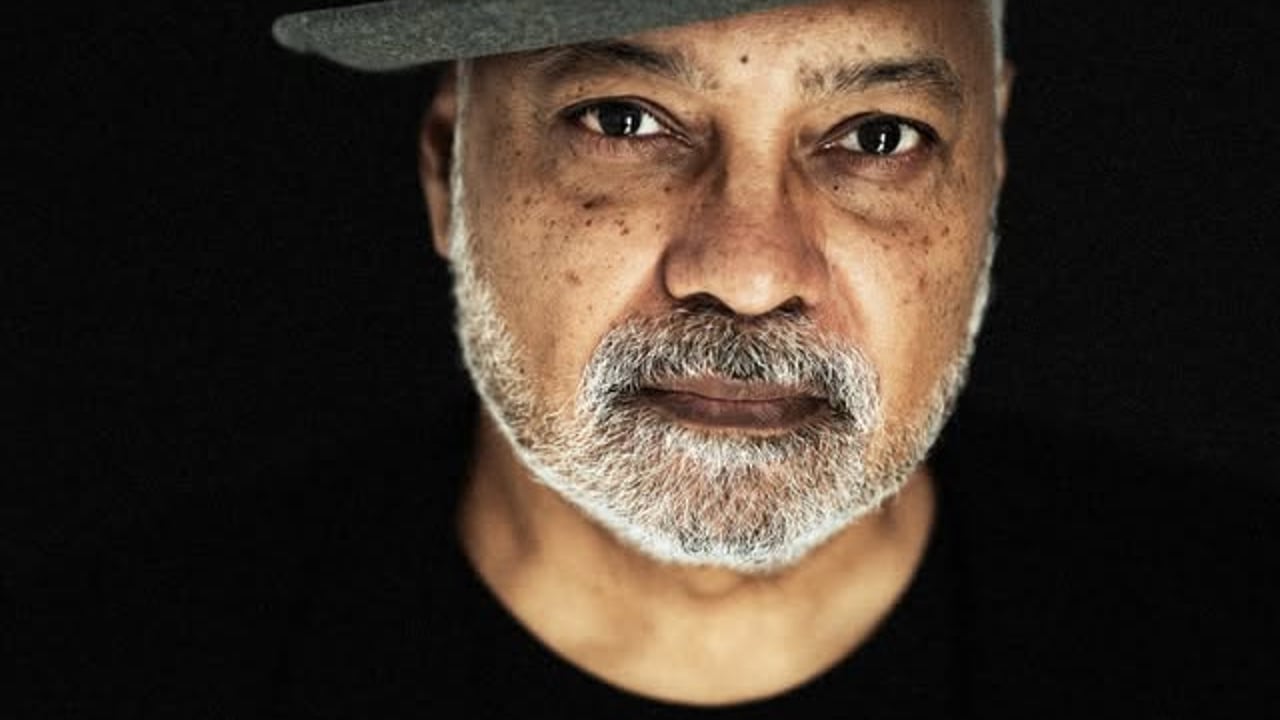 Incognito
Incognito is a jaxx/funk band from the United Kingdom which currently consists of Jean-Paul 'Bluey' Maunick and a large number of other musicians.
-
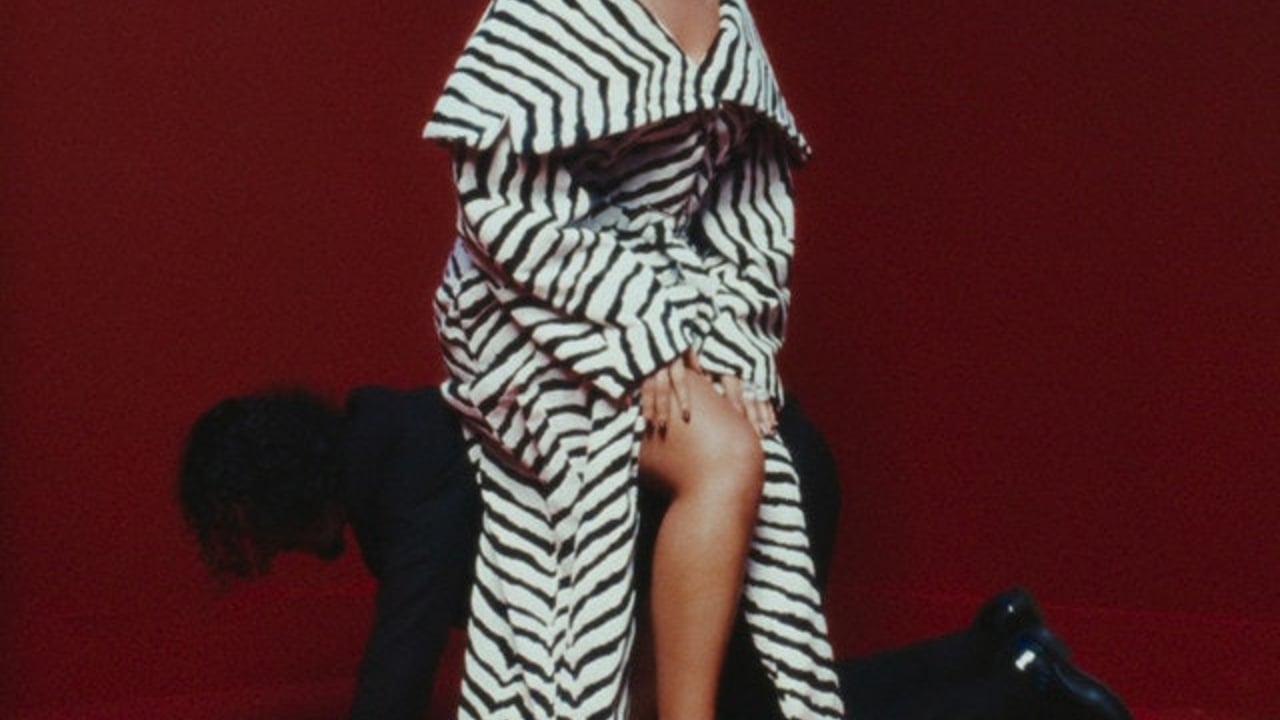 Joy Crookes
19 • South London • Artist • Songwriter
-
Kiefer
My new record ‘It’s Ok, B U’ is out now 🌹 EU/UK tour tickets 👇🏽
https://ffm.bio/kiefer
-
 ?UestloveGilles Peterson is an influential DJ and record-label owner from Switzerland, who moved to London (England), as a boy. Through his labels Acid Jazz and Talkin' Loud he has been associated with the careers of countless well-known artists of the 1990s. He is also well known as a radio DJ: he used to have a radio show on London's Kiss FM dance music station, but was recruited to the BBC's youth-oriented Radio 1 in 1998. Peterson is known for his eclectic musical selections. Though not as "anything goes" as the late John Peel, he plays anything from dub and reggae through jazz, nu-jazz, soul, neo soul, R&B to drum and bass, house, broken beat, hip-hop and Jazz-funk.
Gilles's official website is at www.gillespetersonworldwide.com -
Bugge Wesseltoft
RYMDEN w/ Dan Berglund & Magnus Öström. DUO w/ Henrik Schwarz. TRIALOGUE w/ Dan Berglund & Henrik Schwarz. NORDJORDET w/ Øyonn Groven Myhren, Anne Hytta, Anders Røine. CHRISTIAN PROMMER & BUGGE WESSELTOFT. PRINS THOMAS&BUGGE. NEW CONCEPTION OF JAZZ. HENNING KRAGGERUD & BUGGE WESSELTOFT, The Organ Club, Goldberg w/ Norwegian Chambermusic Orchestra, OKWORLD ORCESTRA, JAZZLAND COMMUNITY Visit buggewesseltoft.com
-
Adrian YoungeAdrian Younge is the next generation of soul music. A self-taught musician and recording engineer wh
-
Nils Petter Molvær
Nils Petter Molvær is a Norwegian trumpet player, composer and producer, who connects multiple music styles - jazz, ambient, house, electronic and break beats, as well as elements from hip hop, rock and pop music - and melts them into convincing soundscapes of deep intensity. Often eclectic, Molvær's style is similar to avant-garde trumpeter Toshinori Kondo. His interest in both acoustic and electric music shows the ease with which he handles the conventions of pop, rock and funk, alongside those of modern jazz. Molvær completed his debut album as a leader in 1997, Khmer, which focuses on a previously unknown blend of improvisation and hypnotically spinning beats, receiving extraordinary public and media response, and was honoured with the German Record Critics Award and a Norwegian Grammy. The follow-up to Khmer, released in May 2000 entitled Solid Ether, intensified Molvær's dialogue with club culture. The idea behind the Solid Ether concept is that a piece of music is never really finished and that composing and producing are an ever-evolving process. "'Ether' does not exist, so how can it be solid? It's a paradox - like life". Molvær's album NP3, released in 2002, sees him continuing the concepts that were developed through Khmer and Solid Ether by putting significant differing elements together to combine contrasting structures. A strong presence on NP3 is Molvær's soulful and creative use of new music manufacturing technology. Molvær's latest studio album (2005) is named ER. The record contains a wide spectre of music expressions from the soft and downbeat productions to the strong and powerful ones. Molvær has taken a new direction with ER even if the soundscapes will be recognised from his previous releases. This time he has given more creative space to programmers like Knut Sævik, DJ Strangefruit, Reidar Skaar and Jan Bang. Discography: With Masqualero: 1985 - Bande À Part 1987 - Aero 1990 - Re-Enter Solo: 1998 - Khmer 2000 - Solid Ether 2001 - Recoloured: The Remix Album (remixes) 2002 - NP3 2004 - Streamer (live) 2005 - Remakes (remixes) 2005 - ER 2005 - Edy (Original Motion Picture Soundtrack) Other/Guest: 1990 - So I Write (Sidsel Endresen) 1990 - Nonsentration (Jon Balke) 1993 - Exile (Sidsel Endresen) 1994 - Small Labyrinths (Marilyn Mazur) 1995 - Hastening Westward (Robyn Schulkowsky & Nils Petter Molvær) 2003 - Electra (Arild Andersen) 2007 - Ataraxis (Deeyah)
-
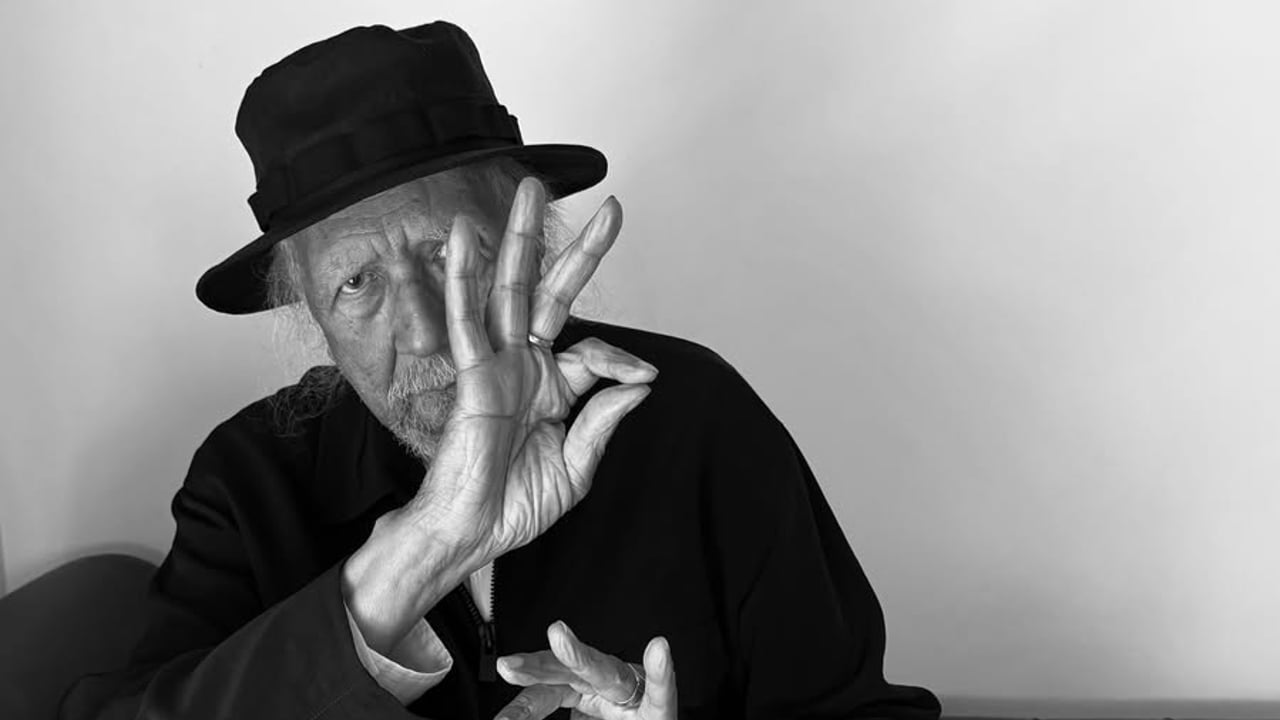 Charles Lloyd
Official page of Charles Lloyd; NEA Jazz Master, Memphis Music Hall of Fame, Chevalier des Arts et Lettres, Honorary Doctorates from Berklee College of Music & Cal Arts, international cultural icon.
-
Mei Semones
Mei Semones is an artist creating jazz influenced indie pop songs with lyrics in both Japanese and English, based in Brooklyn, NY.
-
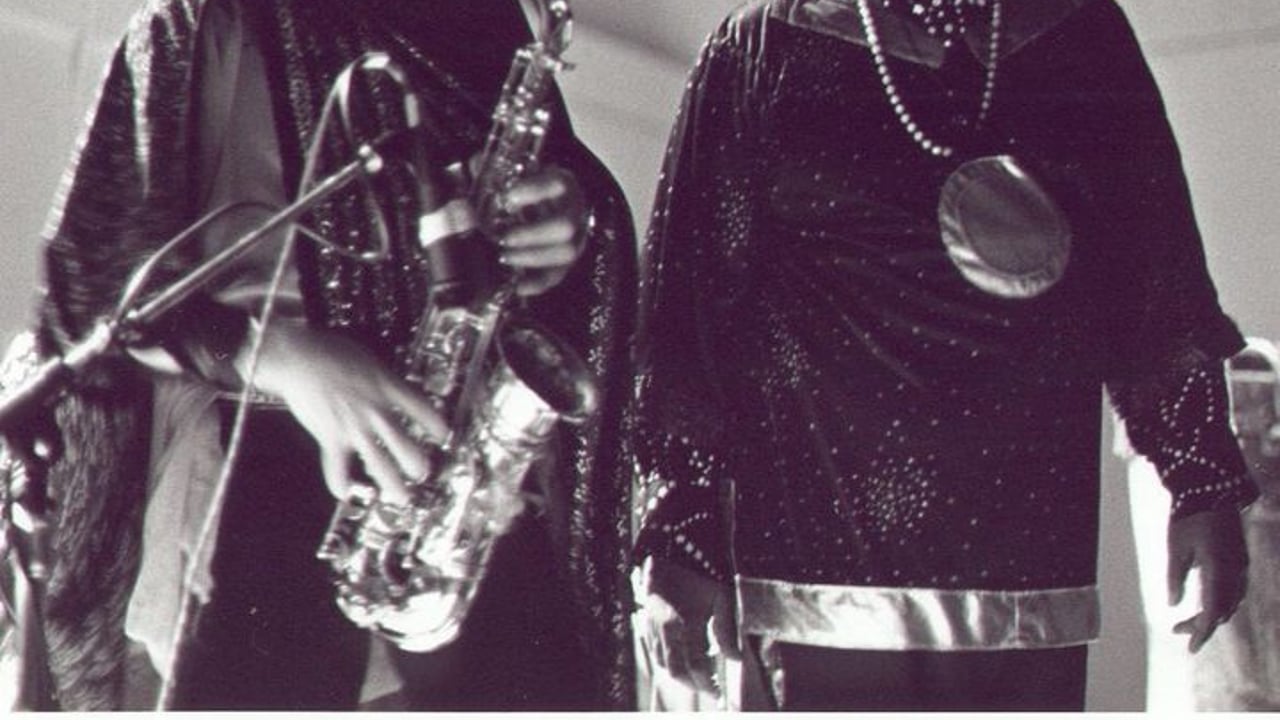
Sun Ra Arkestra
Space Is The Place
We Travel The Space Ways
Saturn
-
 Vincen García
Musician / Bassist
Bassplayer - FUNKIWIS
+ Vídeos YouTube
-
Brett Williams
Music was always my driving force growing up. I got my first guitar at 11 and taught myself how to play; joined a band and started playing out at 15. I grew up in Virginia Beach and transitioned to New York at 23 to further my musical passion. My sound reflects the life I've led thus far as well as my quest for the fundamental truth in this world. I have been writing and playing out as much as possible, meeting great people along the way. I hope listening to my music will make you want to think, explore yourself and everything around you; make you happy and maybe sometimes sad. As long as you're feeling it. Guitarist/Singer/Songwriter Classical To Alternative Rock Free Your Mind Follow Your Heart
-
 Bill Frisell
In a career spanning more than 25 years and over 200 recordings, including 25 albums of his own, guitarist, composer, and bandleader Bill Frisell is now firmly established as a visionary presence in American music. He has collaborated with a wide range of artists, filmmakers and legendary musicians. But it is his work as a leader that has garnered increasing attention and accolades. The New York Times described Frisell’s music this way. “It's hard to find a more fruitful meditation on American music than in the compositions of guitarist Bill Frisell. Mixing rock and country with jazz and blues, he's found what connects them: improvisation and a sense of play. Unlike other pastichists, who tend to duck passion, Mr. Frisell plays up the pleasure in the music and also takes on another often-avoided subject, tenderness."
Frisell’s recordings over the last decades span a wide range of musical influences. His catalog, including over twenty recordings for Nonesuch, has been cited by Downbeat as “the best recorded output of the decade.” It includes original Buster Keaton film scores to arrangements of music for extended ensemble with horns (This Land, Blues Dream); adaptations of his compositions originally written as sound-tracks to Gary Larson cartoons (Quartet); interpretations of work by other classic and contemporary American composers (Have a Little Faith) ; and collaborations with the acclaimed rhythm section of bassist Viktor Krauss and drummer Jim Keltner (Gone, Just Like a Train, Good Dog, Happy Man). Other releases include an album with Nashville musicians (Nashville), the solo album Ghost Town, an album of his arrangements of songs by Elvis Costello and Burt Bacharach (The Sweetest Punch), a trio album with jazz legends Dave Holland and Elvin Jones, and a collection of American traditional songs and original compositions inspired by them entitled The Willies. The Intercontinentals, nominated for a Grammy in 2004 is an album that combines Frisell’s own brand of American roots music and his unmistakable improvisational style with the influences of Brazilian, Greek, and Malian sounds. His 2004 release, entitled Unspeakable, produced by Hal Wilner, won a Grammy for Best Contemporary Jazz Album. East/West is a two CD set, featuring his two working trios recorded in concert on both coasts. Bill Frisell, Ron Carter, Paul Motian features two jazz legends that Bill considers among his true mentors and musical inspirations. His collaborative project Floratone (Blue Note) with drummer Matt Chamberlain and producers Lee Townsend & Tucker Martine, was described by All About Jazz as “a modern masterpiece.” History, Mystery was nominated for a Grammy award in Best Instrumental Jazz category, featuring an octet of strings, horns and rhythm section with some of his closest music collaborators exploring a fuller palette of compositional colors and timbres than any he has previously written for. “The whole album stands as yet another testament to the man's place at the very epicenter of modern American music." - BBC. The recent collection titled The Best of Bill Frisell, Vol 1: Folk Songs is the first in a series of compilations, this one drawn from Frisell's catalog spotlighting his idiosyncratic excursions into country and traditional folk. His latest album, “Disfarmer”, was inspired by the photographer Mike Disfarmer. It was described by the Houston Chronicle as follows: "Frisell's pacing is magnificent, and the album sweeps along with purpose like a gorgeous, spacious epic. It is full of sounds that suggest settings and characters, including the mysterious eccentric who inspired the recording."
Beginning in 2008, a trilogy of Frisell’s music DVD’s was released. First was Solos, shot in Toronto in high definition. Following in 2009, were the long awaited Films of Buster Keaton, Music By Bill Frisell featuring Frisell’s original trio, Kermit Driscoll on bass and Joey Baron on drums as well as Live From Montreal, shot at the Montreal Jazz Festival in 2002 and featuring Matt Chamberlain on drums, Billy Drewes on alto saxophone, Curtis Fowlkes on trombone, Ron Miles on cornet and Greg Leisz on steel guitars. It showcases the music of Frisell’s celebrated album, Blues Dream.
In 2006, Frisell was named a USA Rasmuson Fellow and became a recipient of a grant offered by United States Artists, a privately funded organization dedicated to the support of America's finest living artists.