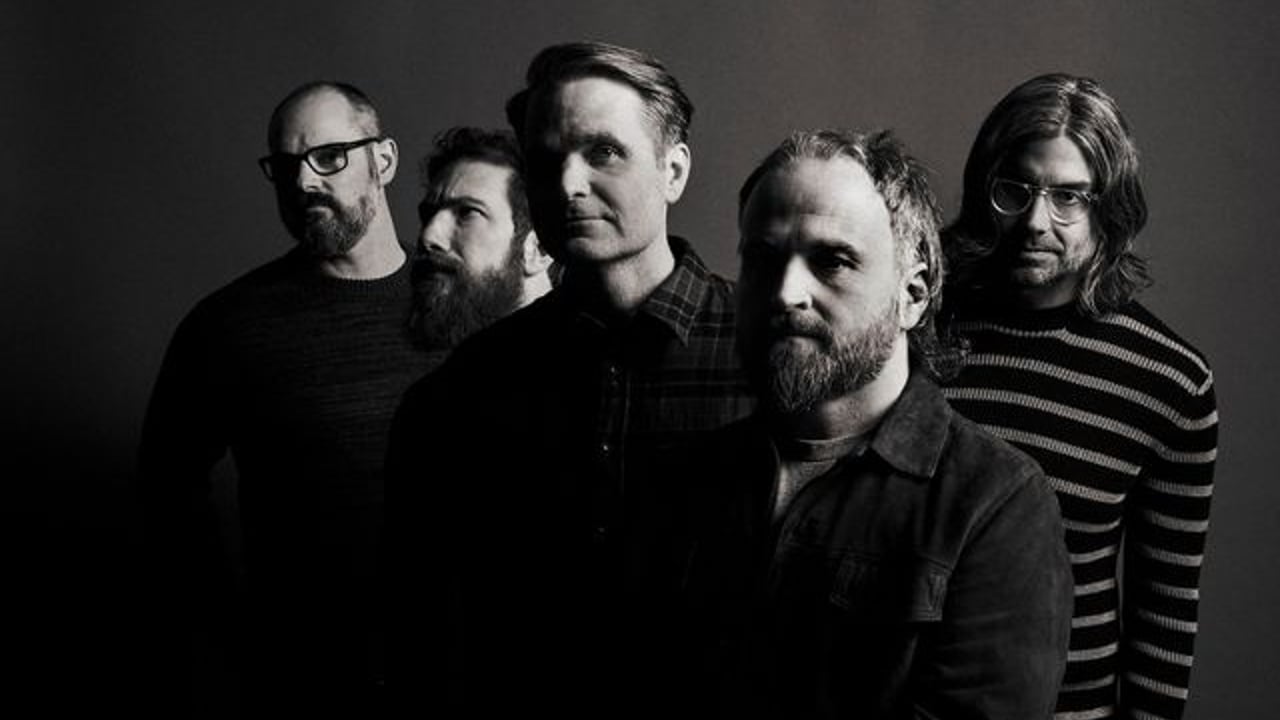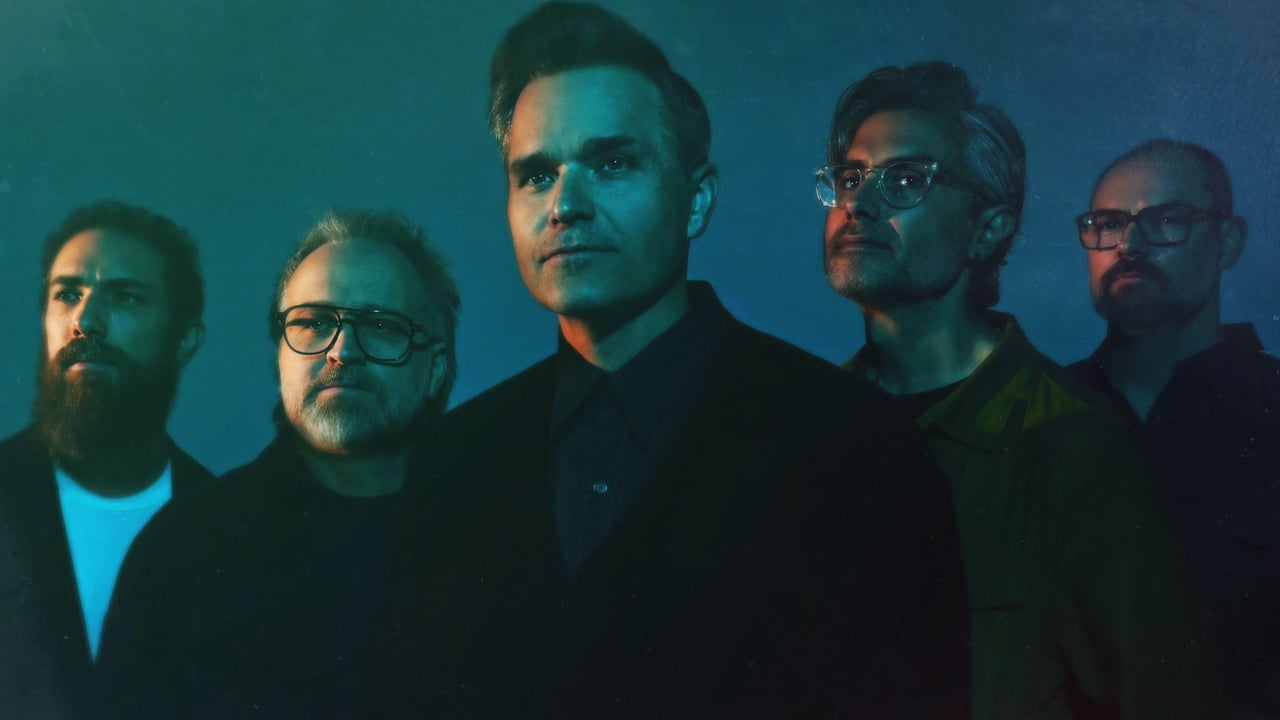
Death Cab for Cutie - I Built You A Tower EU/UK Tour
Cirque Royal - The Club, R de l'Enseignement-Onderrichtsstraat 81, 1000 Bruxelles Kort
mið. 30.09.2026 19:00
Le onzième album studio de Death Cab for Cutie, 'I Built You A Tower', marque le retour du groupe à ses racines indépendantes. Produit et enregistré par John Congleton, l'album a été réalisé en seulement trois semaines, à Animal Rites, à Los Angeles, ainsi que dans les maisons des membres du groupe à Seattle, Bellingham, Los Angeles et Portland. Le premier single de l'album, << Riptides >>, est le neuvième titre du groupe à atteindre la première place du classement Adult Alternative radio aux États-Unis. Ces dernières années, le groupe a connu plusieurs étapes marquantes de son histoire, notamment à travers d'immenses tournées à guichets fermés marquant le 20e anniversaire de deux de ses albums emblématiques, 'Transatlanticism' et 'Plans'. Ces tournées ont joué un rôle déterminant dans la création de 'I Built You A Tower'. En parallèle, Ben Gibbard traversait probablement la période la plus éprouvante de sa carrière. Chaque soir, il enchaînait les performances en tant que chanteur de Death Cab for Cutie et de The Postal Service dans des salles plus grandes les unes que les autres, tout en faisant face à l'effondrement de sa vie personnelle. Cette pression est devenue trop lourde à porter pour une seule personne, et la << tower >> est née comme un mécanisme de protection. "Nous ressentons le besoin de trouver en nous un endroit où déposer la perte et le chagrin, explique-t-il. Un endroit capable de les contenir afin que nous puissions continuer à avancer. Mais il arrive que le traumatisme finisse par s'échapper de la carapace que nous avons construite pour l'enfermer." 'I Built You A Tower' est un album qui cherche à réconcilier les différentes versions de soi-même afin d'imaginer un nouvel avenir. << Les tournées anniversaires nous ont libérés de toute nostalgie, observe Dave Depper. Nous avions le sentiment de faire partie d'une force collective qui nous dépassait tous, et nous sommes entrés en studio avec cette question : comment capturer cette énergie et la transformer en quelque chose de nouveau ? >> Harmer poursuit : << Tout le processus de création de cet album nous a ramenés aux origines du groupe. Nous nous sommes souvenus que si les musiciens présents dans la pièce aimaient ce sur quoi nous travaillions, cela suffisait. Nous avons retrouvé la confiance qui découle de cette simplicité. >> Ainsi, il ne s'agit pas d'un simple << retour aux sources >> au sens convenu du terme, mais plutôt d'une réappropriation de l'esprit fondateur qui accompagne Death Cab for Cutie depuis maintenant trente ans. Informations & horaires sur l'événement: www.livenation.be
Flytjendur
-
Death Cab For Cutie
When the writing of Asphalt Meadows began in the early part of the pandemic, Death Cab for Cutie wasn't sure how to make a record. Singer/songwriter Ben Gibbard, bassist Nick Harmer, drummer Jason McGerr, guitarist/keyboardist Dave Depper, and keyboardist/guitarist Zac Rae lived in four different cities. Being in the studio together wasn't an option. Though Gibbard started writing songs at the end of their last tour, he felt like he was hitting a wall after being trapped in his home studio for months. So he hatched a plan to shake things up.
"A work week is Monday through Friday and there are five members of the band," Gibbard explains. "So on Monday, someone put together a piece of music and shared it. And then the next person took it, with the order decided randomly. On your day, you had complete editorial control."
At the end of each week, they finished a rough song mix. Sometimes, songs were transformed entirely, with a key change or altogether different tempo. "After we started, we had a lot of success," Gibbard says.
While not all of the songs on Asphalt Meadows came from these sessions, over half of them did. Songs Gibbard presented as demos also went through the process, allowing everyone to figure their parts out before going into the studio with producer John Congleton (St. Vincent, Angel Olsen, Explosions in the Sky).
Harmer calls the experience of writing this way incredibly inspiring. "Having exactly one day to work on each track allowed me to not overthink things," he says. "I had to come up with something compelling and get it completed or the whole process would break down."
"I believe everybody started finding ideas and performances that might not have happened if we'd been in the same room writing," McGerr adds.
The first track released off the album, "Roman Candles," was inspired by a drum part from the '70s Krautrock act Faust and Gibbard's desire to write something for the record that was short, loud, and thrashy. "The lyrics were cobbled from a couple of different songs dealing with my general sense of existential dread and anxiety, the feeling that the fabric that weaves a functioning society together was crumbling during the pandemic," he says.
"Here to Forever" was built on the idea of looking at the past without idealized nostalgia and evolves into a soul-searching song about wanting spiritual clarity. "Foxglove Through the Clearcut" finds Gibbard delivering spoken word verses and an ever-growing drum bridge by McGerr that pushes the music forward into a chorus of beautiful harmonies.
Friendship is the inspiration for "Wheat Like Waves." Spending time with Torquil Campbell of Stars at Niagara-on-the-Lake in Canada while listening to Prefab Sprout prompted Gibbard to write about an adult male friendship that has spanned years.
Rae recalls working collaboratively with McGerr on "Fragments From the Decade." "We had gone into a studio and played drums and keys duets for a few hours," Rae says. After editing and sharing, what came back from Gibbard in the next 24 hours was very nearly the final song. "Not everything was that fast or easy, but a lot of what made it on the record certainly was."
"Rand McNally" is a poignant track about building a legacy. "This is my life's work," Gibbard says. "When members leave bands, they're often seminal members. That fans continue to support them is a testament to how important the music is to them. I wanted to write something to and for everyone who has been in this band, who helped make it what it is, to say I'm not going to let the light fade." Depper was the second person to pick the track up and immediately knew it was special. "I felt drawn to playing acoustic piano on this track, something I'd normally never do because Zac is 4000X the piano player that I am. But given the space and solitude that this process allowed, I confidently contributed a piano track and melodic line that I'm really proud of." Depper felt “don’t let the light fade” had a hymnal quality and decided to use it as a reprise. “I didn't want the song to end yet,” Depper says. “So I was inspired to create a coda to the song based on that line, with layers of harmonies joining in with each refrain.”
The final track, "I'll Never Give Up on You," stands out in its round-robin writing style for Rae. "The song came to me as a groovy, single chord idea, and I added some fairly strange, almost jazzy piano voicings over it. I don't know that we would have settled on that if we had been all together in the room."
After 25 years as a band, going about the writing and recording process unconventionally pushed Death Cab for Cutie creatively in new and unexpected directions.